Clean Vegetarian, The Whole-Food Lacto-Ovo Lifestyle

A plant-based way of eating that allows pastured eggs and traditionally produced dairy. The clean version is built on properly prepared whole grains and legumes, abundant vegetables, fermented foods, and high-quality fats, distinct from cheese-and-pasta vegetarianism.

๐ŸŒพ Soaked & Sprouted Grains ๐Ÿซ˜ Properly Prepared Legumes ๐Ÿฅš Pastured Eggs & Raw Dairy ๐Ÿฅฌ 7+ Cups Vegetables Daily ๐Ÿฅ’ Fermented Foods Daily

How Many Americans Follow This Lifestyle?

~4%
of US adults identify as vegetarian (โ‰ˆ ~10 million people)
~10%
follow a flexitarian / "mostly plant-based" pattern

Sources: Gallup, 2023; IFIC, 2023. Self-reported adherence varies widely across surveys; figures are approximate.

What Is Clean Vegetarian Eating?

Vegetarian eating omits meat, poultry, and fish but allows plant foods plus dairy and/or eggs. "Clean" means traditional preparation methods (soaking, sprouting, fermenting), pasture-raised or grass-fed animal-derived foods, and a near-zero tolerance for ultra-processed vegetarian junk food.

The vegetarian tradition has ancient roots in Hinduism, Buddhism, and Jainism, traditions that paired moral restraint with sophisticated culinary techniques (soaked dals, fermented dosa batter, sprouted grains, ghee, fermented dairy). The modern Western revival from the 1970s onward, Diet for a Small Planet, the natural-foods movement, added an environmental and animal-welfare layer.

The most common subtype is lacto-ovo vegetarian (dairy + eggs allowed). Variants include lacto-vegetarian (dairy only) and ovo-vegetarian (eggs only). A separate, plant-only path is described in the Clean Vegan guide, fundamentally a different framework around B12 and nutrient sourcing.

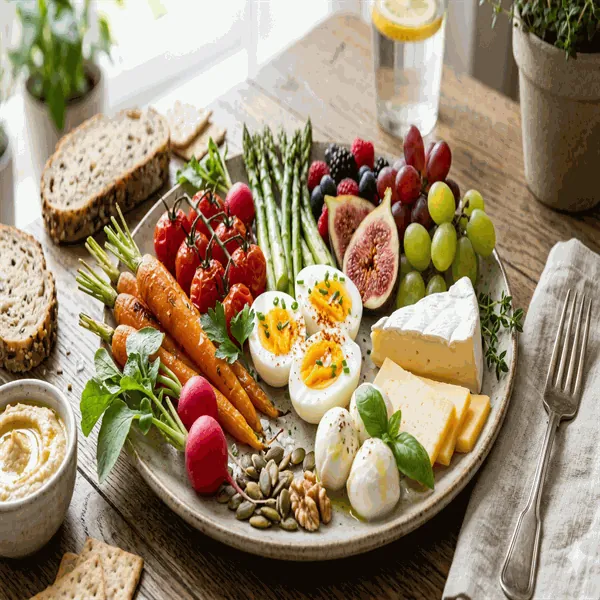
Clean vegetarian bowl: soaked grains, legumes, vegetables, pastured egg and fermented sides

Clean vs. Junk Vegetarian, A Huge Difference

๐ŸŒฑ Clean Vegetarian

Soaked beans and dal, sprouted grains, abundant vegetables (cooked & raw), pastured eggs, raw or fermented dairy from grass-fed animals, ferments, olive oil, ghee, nuts and seeds.

๐ŸŒ— Standard Vegetarian

Eggs, milk, cheese, refined-grain breads and pastas, occasional vegetables. Better than fast food, but missing the nutrient density of either the clean version or a quality omnivore diet.

๐ŸŒ‘ Junk Vegetarian

Pasta, pizza, cheese sandwiches, frozen pizza, vegetarian fast-food substitutes, sodas. Technically meatless, but nutritionally similar to a Standard American Diet, high in refined grains, seed oils, and sugar.

Six Core Principles

๐Ÿ’ง

1. Soak & Sprout

Beans, lentils, and whole grains contain phytates, lectins, and enzyme inhibitors that block mineral absorption. Soak legumes 8โ€“24 hours; sprout when possible; ferment when you can. This is the single biggest distinction between traditional vegetarian wisdom and modern shortcut versions.

๐Ÿฅš

2. Animal Foods, Choose Quality

If using eggs or dairy, choose pasture-raised, grass-fed, raw or minimally processed. A single pastured egg is one of the most nutrient-dense foods on the planet, choline, B12, vitamin A, lutein, complete protein.

๐Ÿฅฌ

3. Vegetables Are the Main Event

7+ cups daily, varied colors, both raw and cooked. Cruciferous (cabbage, broccoli, kale), alliums (garlic, onion, leek), leafy greens, root vegetables, and herbs. Refined grains are NOT a substitute for vegetables.

๐Ÿฅ’

4. Ferment Daily

Sauerkraut, kimchi, naturally fermented pickles, miso, kefir, full-fat yogurt with live cultures, kvass. Fermented foods support the microbiome, improve mineral bioavailability, and add umami without needing meat.

๐Ÿซ’

5. Quality Fats

Extra-virgin olive oil, cold-pressed flax (for omega-3s), grass-fed butter or ghee, coconut oil, avocados, soaked nuts and seeds. Avoid industrial seed oils, common in restaurant and packaged "vegetarian" food.

๐Ÿงช

6. Track the Likely Gaps

B12, iron, zinc, omega-3 EPA/DHA, vitamin D, and choline are the most common deficits on vegetarian diets, even with eggs and dairy. Test, don't guess, and supplement strategically.

What to Eat & What to Skip

โœ… Build Meals Around:

๐Ÿซ˜ Soaked Legumes

Lentils (red, green, black, beluga), mung beans, chickpeas, black beans, adzuki, navy beans. Soak overnight; cook with kombu seaweed for better digestion.

๐ŸŒพ Properly Prepared Whole Grains

Brown rice, quinoa, millet, buckwheat, oats, farro, barley. Soak overnight or sprout. Sourdough bread (long-fermented) is preferable to commercial bread.

๐Ÿฅฌ Vegetables, Wide Variety

Leafy greens, cruciferous, alliums, roots, herbs, mushrooms. Both raw and cooked. Aim for 7+ cups daily across multiple colors.

๐Ÿฅš Pastured Eggs & Raw Dairy

2โ€“4 pastured eggs daily; raw or grass-fed dairy if tolerated (kefir, yogurt, ghee, raw cheeses). Watch tolerance, many adults struggle with even high-quality dairy.

๐ŸŒฐ Nuts & Seeds (Soaked)

Almonds (soaked), walnuts, pecans, brazil nuts (selenium), pumpkin seeds (zinc), chia, flax, hemp. Soak or sprout when possible to reduce phytates.

๐Ÿฅ’ Fermented Foods

Sauerkraut, kimchi, fermented pickles, kefir, yogurt with live cultures, miso, tempeh, natto.

โŒ Limit or Skip:

๐ŸŒฝ Industrial Seed Oils

Same #1 elimination as in keto: soybean, canola, corn, cottonseed, sunflower oils. Found in almost every commercial vegetarian product.

๐ŸŒพ Refined Grains

White flour, white pasta, commercial bread, breakfast cereals, crackers. These dominate the "Standard Vegetarian" plate and crowd out vegetables.

๐Ÿฌ Refined Sugar

Cane sugar, HFCS, agave, "natural" syrups in commercial yogurts and granolas. Use small amounts of raw honey, real maple, or dates instead.

๐Ÿฅซ Conventional Dairy

Milk and cheese from grain-fed, hormone-treated cows. If using dairy, choose grass-fed, organic, raw or fermented forms. Test your own tolerance.

๐Ÿ“ฆ Processed Mock Meats

Vegetarian "chicken nuggets," sausages, processed soy-protein products. Almost always seed-oil based and ultra-processed.

๐ŸŒถ๏ธ Unsoaked Legumes & Grains

Eating beans and grains without soaking/sprouting blocks mineral absorption (especially iron, zinc, calcium) and frequently causes GI discomfort.

Sample 1-Day Clean Vegetarian Pattern

7:00, 8:00 AM ยท Breakfast
๐Ÿฅฃ Morning Plate

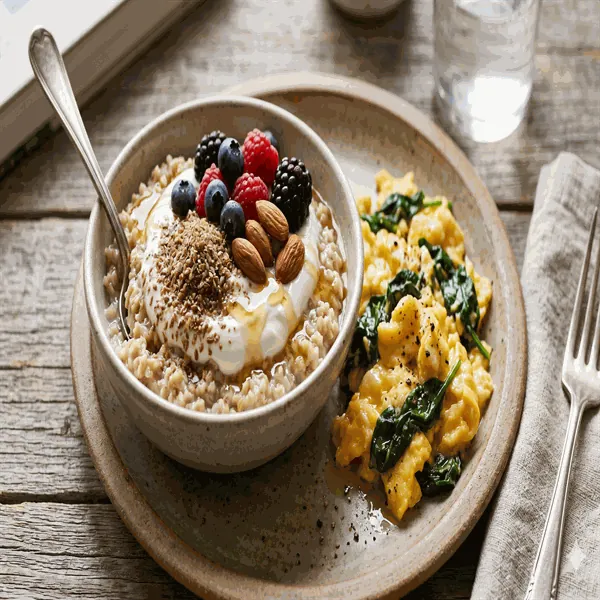
Overnight-soaked steel-cut oats cooked in water, topped with grass-fed yogurt or kefir, 2 tbsp ground flax, a handful of soaked almonds, 1/2 cup berries, and a drizzle of raw honey. Side: 2 pastured eggs scrambled in ghee with sautรฉed spinach. Or: vegetable omelet, a slice of long-fermented sourdough with avocado.

Vegetarian morning plate with soaked oats, berries, ground flax and pastured eggs with greens
๐Ÿฅฃ Sample Morning Plate

Soaked oats ยท grass-fed yogurt or kefir ยท ground flax ยท soaked almonds ยท berries ยท pastured eggs with sautรฉed greens. Whole-grain carbohydrate paired with high-quality protein and fat for steady morning energy.

12:30, 1:30 PM ยท Lunch
๐Ÿฅ— Midday Plate

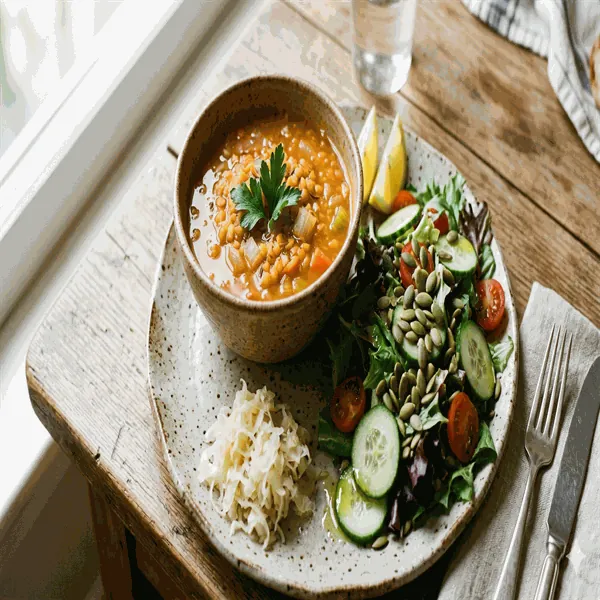
Hearty lentil soup (red lentils soaked overnight, cooked with onion, carrot, celery, kombu, turmeric, cumin) ยท big mixed salad with greens, cucumber, tomato, pumpkin seeds, olive oil and lemon ยท 2 tablespoons sauerkraut ยท small piece of raw goat cheese (optional).

Vegetarian midday plate with lentil soup, mixed salad, pumpkin seeds and sauerkraut
๐Ÿฅ— Sample Midday Plate

Soaked-lentil soup ยท big mixed salad ยท pumpkin seeds ยท sauerkraut ยท optional raw goat cheese. The bean + fermented + salad combination, fiber, complete amino acids, polyphenols, and live cultures in one meal.

6:30, 7:30 PM ยท Dinner
๐Ÿ› Evening Plate

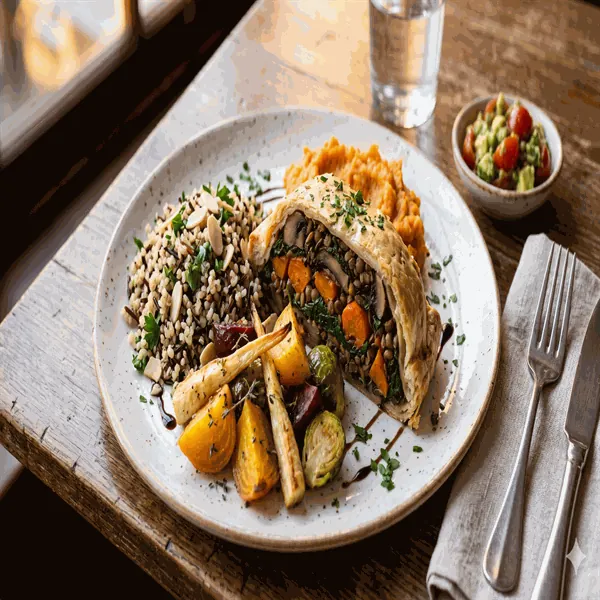
Vegetable stir-fry (broccoli, mushroom, bell pepper, ginger, garlic) in ghee ยท 3/4 cup brown rice (soaked overnight before cooking) ยท spiced chickpeas (soaked overnight, simmered with garam masala) ยท cucumber raita with cultured yogurt ยท steamed greens with olive oil and lemon.

Vegetarian evening plate with stir-fried vegetables, soaked brown rice, spiced chickpeas and raita
๐Ÿ› Sample Evening Plate

Vegetable stir-fry ยท soaked brown rice ยท spiced chickpeas ยท cucumber-yogurt raita ยท steamed greens. A balanced Indian-influenced vegetarian plate: warm, well-cooked, easy to digest before sleep.

9:00 PM ยท Optional Closing
๐ŸŒ™ Pre-Sleep

Chamomile or tulsi tea. If hungry, a few soaked Brazil nuts (selenium + magnesium). Stop eating ~3 hours before sleep.

The Six Most Common Pitfalls

๐Ÿง€ Cheese & Bread as Staples

The most common drift: vegetarian becomes "cheese sandwich and pasta with cheese." Vegetables shrink to garnish status. Refocus on legumes + grains + vegetables; cheese is a condiment.

๐Ÿ’Š No B12 Strategy

Even with eggs and dairy, ~30% of vegetarians have suboptimal B12 status. Test serum B12, MMA, and homocysteine. Supplement methylcobalamin or hydroxocobalamin as needed.

๐Ÿฉธ Low Iron, Especially in Women

Plant (non-heme) iron is less bioavailable. Pair iron-rich plants with vitamin C (lemon, peppers, berries). Test ferritin annually if menstruating or pregnant.

๐ŸŸ Low Omega-3 EPA/DHA

Plant ALA (flax, chia, walnut) converts poorly to EPA/DHA in most people. An algae-based EPA/DHA supplement is the cleanest fix.

๐Ÿฅฆ Skipping Soaking

Most modern vegetarians skip the traditional soaking and sprouting steps. Result: chronic mineral deficiencies and bloating from anti-nutrients. Soak everything you can overnight.

๐Ÿฅ– Refined-Carb Drift

When meat goes, refined carbs often expand. Watch for white pasta, white rice, sweet baked goods sneaking in. Replace with properly prepared whole grains.

Supplements Commonly Needed on Clean Vegetarian

SupplementWhyTypical DoseNotes
Vitamin B12 (methyl- or hydroxocobalamin)Even with eggs & dairy, intake often runs low. Critical for nerve and red-blood-cell function.500โ€“1,000 mcg sublingual, 1โ€“3x/weekTest serum B12, MMA, and homocysteine annually. MTHFR variants prefer methyl form.
Iron (if ferritin low)Non-heme plant iron absorbs ~5ร— less efficiently than heme.25โ€“50 mg elemental iron (bisglycinate) on empty stomach + vitamin COnly supplement if ferritin is low. Excess iron is pro-oxidant.
ZincLegumes and grains are zinc-poor and bind to what's there.15โ€“25 mg zinc picolinate/bisglycinateTake with food. Long-term zinc requires copper balance.
Algae EPA/DHAPlant ALA converts inefficiently to EPA/DHA. Algae oil is a direct source.500โ€“1,000 mg combined EPA+DHA dailyLook for IFOS-certified or third-party-tested.
Vitamin D3Almost universal deficiency regardless of diet.2,000โ€“5,000 IU daily (titrate to blood level)Pair with K2 MK-7 (100โ€“200 mcg). Target 50โ€“80 ng/mL.
CholineEggs are the richest source; if egg intake is low, choline often is too.Sunflower lecithin 1โ€“2 tbsp/day, OR alpha-GPC 300 mgCritical for liver, brain, and pregnancy.
IodineEliminating iodized salt without adding seaweed can lower iodine status.150โ€“300 mcg or 1/4 sheet of nori dailyHashimoto's patients should consult a clinician before dosing iodine.
Magnesium GlycinateWhole-grain and legume diets are magnesium-rich, but phytates can reduce absorption; the glycine form is gentle on the gut and supports sleep, muscle relaxation, and stress regulation300โ€“500 mg elemental, at bedtime (or split AM/PM)Glycinate is best-tolerated. Soak/sprout grains and legumes to also unlock more dietary magnesium.
Zinc L-CarnosinePlant zinc is bound to phytates and absorbs less efficiently; the carnosine form delivers zinc directly to the gut mucosa and supports barrier repair75โ€“150 mg/day (delivers ~16โ€“33 mg elemental zinc)Take with food. After 8โ€“12 weeks, drop to once daily to avoid copper depletion. Pair with 2mg copper if used long term.

Who Benefits Most, and Who Should Be Careful

๐Ÿ’ช Often Benefits

Cardiovascular risk reduction

Lower LDL, blood pressure, and inflammation when refined carbs and seed oils stay out.

Insulin sensitivity

High-fiber legume- and vegetable-heavy patterns improve glycemic control.

Spiritual or ethical alignment

For practitioners of Hinduism, Buddhism, Jainism, or other traditions where meat-avoidance carries deep meaning.

Reducing environmental footprint

Lower land, water, and emissions impact than conventional meat-centric diets.

Gut microbiome diversity

High fiber and fermented food intake supports robust microbial communities.

โš ๏ธ Use Caution or Avoid

Iron-deficiency anemia history

Monitor ferritin closely; consider heme iron sources or aggressive plant-iron + vitamin C strategies.

Pregnancy & breastfeeding

Needs careful planning for B12, iron, choline, omega-3, and protein. Work with a knowledgeable practitioner.

Growing children

Possible but high-stakes, energy, protein, B12, iron, zinc, omega-3 must be deliberately covered.

SIBO or active gut inflammation

High-FODMAP legumes and brassicas can aggravate symptoms in the short term. Heal the gut first, then expand the plate.

Eating disorder history

"Going vegetarian" sometimes masks restrictive patterns. Work with a clinician.

The Tradition Behind the Plate

Vegetarianism done well is one of the oldest and most refined ways of eating on earth. The clean version honors that tradition: soaked, sprouted, fermented, seasonal, locally sourced where possible.