Non-Alcoholic Fatty Liver Disease (NAFLD)

Fat accumulation in the liver unrelated to alcohol, now the most common chronic liver disease, affecting ~25% of adults. Driven by insulin resistance, refined carbs, and fructose. Highly reversible with low-carb diet, intermittent fasting, and targeted nutrients.

Liver Evidence-Based Root-Cause Focus

Last updated:

What Is NAFLD?

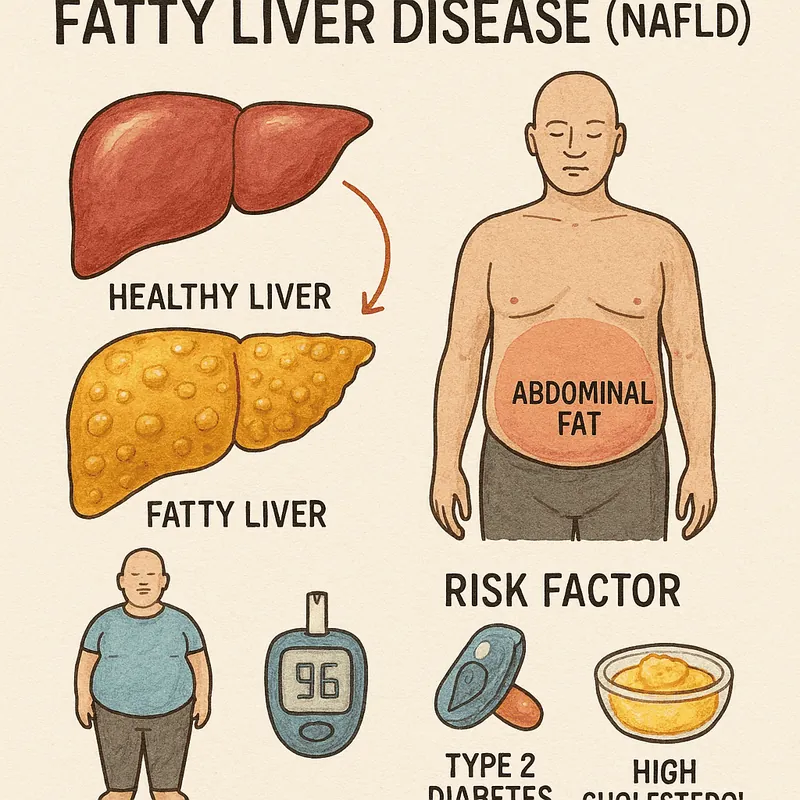
Non-Alcoholic Fatty Liver Disease (NAFLD), recently renamed MASLD (Metabolic dysfunction-Associated Steatotic Liver Disease), is excess fat accumulation in the liver (>5% by weight) that is NOT caused by significant alcohol consumption. It's now the most common chronic liver disease worldwide, affecting ~25% of all adults and ~70% of people with type 2 diabetes.

NAFLD is fundamentally a disease of metabolic dysfunction. Excess fructose, refined carbohydrates, and chronic insulin resistance drive fat (triglycerides) into liver cells. Once accumulated, this fat triggers inflammation, oxidative stress, and progressive liver damage. The condition is the hepatic manifestation of metabolic syndrome.

Here's the powerful news: NAFLD is one of the most reversible chronic diseases known. With targeted nutrition, particularly carbohydrate restriction, time-restricted eating, and addressing insulin resistance, liver fat can drop by 30-80% within weeks to months. Most patients can achieve resolution without medications.

โš ๏ธ NAFLD progresses silently for years. ~20% develop NASH (the inflammatory form), and ~10-20% of NASH progresses to cirrhosis. NAFLD is now a leading cause of liver transplants in the US. Early intervention reverses the trajectory, late intervention is much harder.
NAFLD illustration

Stages of NAFLD Progression

๐ŸŒฑ Simple Steatosis (NAFL)

Fat accumulation without inflammation. Asymptomatic. Reversible within weeks to months with dietary intervention. The vast majority of cases stay here, and aggressive lifestyle change resolves it.

๐ŸŒ— NASH (Non-Alcoholic Steatohepatitis)

Fat + inflammation + hepatocyte damage. Affects ~20% of NAFLD patients. Elevated liver enzymes (ALT, AST), early fibrosis. Still highly reversible with intervention. Confirmed only by biopsy or specialized imaging.

๐ŸŒ‘ Fibrosis โ†’ Cirrhosis

Scar tissue forms, eventually replacing functional liver. Once cirrhosis is established, only ~20% of damage is reversible. Risk of liver failure, hepatocellular carcinoma, need for transplant. Early stages of fibrosis are still reversible with intensive intervention.

~25%
Of all adults globally have NAFLD
~70%
Of people with type 2 diabetes have NAFLD
30-80%
Liver fat reduction possible in months with proper diet
7-10%
Body weight loss reverses ~90% of NAFLD cases

Symptoms of NAFLD

NAFLD is silent in early stages. Most diagnoses happen incidentally on routine bloodwork or imaging. Symptoms only appear with NASH or advanced disease, by which point significant damage has occurred.

๐Ÿ˜ด Early & Common Symptoms

๐Ÿชซ

Unexplained Fatigue

Most common symptom in NAFLD. Persistent tiredness disproportionate to activity. Reflects mitochondrial dysfunction, chronic low-grade inflammation, and impaired liver metabolism. Often dismissed as "stress."

๐Ÿ˜ฃ

Right Upper Quadrant Discomfort

Vague achy fullness or pressure under the right rib cage. Reflects liver enlargement stretching its capsule. Often described as "I just feel a heaviness there." Not sharp pain (sharp = think gallbladder).

โš–๏ธ

Stubborn Abdominal Weight Gain

Visceral fat correlates strongly with liver fat, they accumulate together. Waist circumference >40" (men) or >35" (women) is a strong predictor of NAFLD even with "normal" BMI.

๐Ÿง 

Brain Fog & Mental Fatigue

Compromised liver detoxification leads to subtle hepatic encephalopathy-like symptoms in advanced NAFLD: trouble concentrating, word-finding difficulty, mental cloudiness.

๐Ÿšจ Advanced NAFLD / NASH Signs

๐ŸŸก

Jaundice (Yellow Skin/Eyes)

Yellow discoloration of skin or sclera (whites of eyes) indicates significant liver dysfunction. Late-stage sign suggesting advancement toward cirrhosis. Requires urgent evaluation.

๐ŸŒŠ

Abdominal Swelling (Ascites)

Fluid accumulation in abdomen, sign of advanced cirrhosis with portal hypertension. Significant abdominal distention not from food or fat. Always evaluated as serious.

๐Ÿฉธ

Easy Bruising or Bleeding

Liver makes clotting factors, failing liver impairs clotting. Easy bruising, prolonged bleeding from minor cuts, or unexplained bleeding indicates advanced disease.

๐Ÿ•ท๏ธ

Spider Angiomas, Palmar Erythema

Small spider-like blood vessels on skin (especially face/chest), reddened palms, both reflect estrogen elevation when liver can't metabolize hormones properly. Late-stage signs.

How to Test for NAFLD

๐Ÿฉธ Blood Tests

๐Ÿ“Š Liver Enzymes (ALT, AST, GGT)

ALT (alanine aminotransferase) most specific for liver. Elevated ALT (>30 in men, >19 in women, even within "normal" range labs report) suggests liver fat. AST/ALT ratio >1 may indicate fibrosis. GGT also rises.

๐Ÿงช FIB-4 Score

Non-invasive fibrosis score calculated from age, ALT, AST, platelets. <1.3 low risk for advanced fibrosis; >2.67 high risk. Easy to calculate from routine labs; should be done annually in anyone with risk factors.

๐Ÿฉธ Comprehensive Metabolic Workup

Fasting insulin, HOMA-IR, HbA1c, lipid panel with triglycerides (often elevated), hsCRP. NAFLD almost always co-exists with insulin resistance, dyslipidemia, and inflammation.

๐Ÿฉป Imaging

๐Ÿ–ผ๏ธ Abdominal Ultrasound

First-line imaging. Detects moderate-to-severe steatosis (echogenic/bright liver). Cheap, accessible, no radiation. Can miss mild steatosis (<30%) and cannot assess fibrosis. Often the first sign that triggers NAFLD diagnosis.

๐ŸŽฏ FibroScan (Transient Elastography)

Quantifies both liver fat (CAP score) and fibrosis (kPa). CAP >238: mild steatosis; >260: moderate; >290: severe. Stiffness >7 kPa: significant fibrosis. Non-invasive, repeatable. Gold standard for monitoring.

๐Ÿงฒ MRI-PDFF

Most accurate non-invasive measurement of liver fat percentage. <5%: normal; 5-10%: mild; 10-15%: moderate; >15%: severe NAFLD. Expensive, less available. Excellent for tracking response to intervention.

๐Ÿ”ฌ Liver Biopsy

Historical gold standard but invasive. Only definitive diagnosis of NASH (vs simple steatosis) and accurate fibrosis staging. Reserved for high-risk patients or when imaging is inconclusive.

Holistic vs. Conventional Treatment for NAFLD

๐ŸŒฟ HOLISTIC
๐Ÿ’Š CONVENTIONAL
๐ŸŒฟ

Holistic / Functional Approach

Low-carb/keto diet, intermittent fasting, fructose elimination, weight loss, exercise, targeted liver support

Reversibility
7-10% body weight loss resolves NAFLD in ~90% of patients (Vilar-Gomez study)
Diet Power
Very low-carb diet (<50g/day) reduces liver fat 30-50% in 2-6 weeks, faster than calorie restriction alone
Timeline
ALT normalizes in 4-12 weeks; liver fat by MRI drops in 2-3 months; fibrosis (if early) reverses over 6-12+ months
Advantage
Addresses ROOT cause (insulin resistance, fructose, refined carbs), and simultaneously improves diabetes, cholesterol, BP
Full Holistic Protocol Includes
  • Eliminate fructose, especially from beverages, fructose is metabolized exclusively by the liver, becoming triglycerides. Soda, juice, sweetened coffees, HFCS-laden processed foods are top culprits.
  • Low-carbohydrate or ketogenic diet <50g/day total carbs, most effective dietary intervention. Outperforms calorie restriction for liver fat reduction.
  • Time-restricted eating / intermittent fasting, 16:8 or 18:6 daily; gives liver time to process accumulated fat. Reduces hepatic de novo lipogenesis.
  • Mediterranean diet for maintenance, second-most studied, also effective. Olive oil, fish, vegetables, whole grains in moderation.
  • Resistance + aerobic exercise, both reduce liver fat independently of weight loss. Aim for 150 min/week moderate aerobic + 2x/week resistance.
  • Weight loss target, 7-10% of body weight resolves NAFLD in most patients. Use whatever sustainable approach achieves it.
  • Berberine 500mg 2-3x/day, activates AMPK, reduces hepatic fat synthesis, improves insulin sensitivity. Significant NAFLD evidence.
  • Milk thistle (silymarin) 420mg/day, antioxidant, hepatoprotective. Modestly reduces liver enzymes in NAFLD.
  • Address gut dysbiosis, small intestinal bacterial overgrowth and increased gut permeability drive NAFLD via portal endotoxemia. Probiotic/synbiotic combinations help.
  • Vitamin E 800 IU/day, strongest single-supplement evidence for NASH (PIVENS trial); modest fibrosis benefit. Use natural mixed tocopherols.
โœ… Critical: NAFLD is one of the most lifestyle-responsive chronic diseases. Most patients can reverse simple steatosis and early NASH WITHOUT medications. The window for reversal narrows once advanced fibrosis sets in, act early.

Diet for Reversing NAFLD

NAFLD is overwhelmingly driven by dietary choices. Removing the inputs that cause it (refined carbs, fructose, processed food) allows the liver to reverse damage rapidly.

โœ… Prioritize These:

๐ŸŸ Fatty Fish & Omega-3 Sources

Salmon, sardines, mackerel. EPA/DHA reduce hepatic fat synthesis and inflammation. 3x/week minimum during reversal phase.

โ˜• Coffee (Plain, Not Sweetened)

2-4 cups/day is consistently associated with lower NAFLD progression and reduced cirrhosis risk. Chlorogenic acid and caffeine both protective. Black or with minimal cream, no sugar.

๐Ÿฅฆ Cruciferous Vegetables

Broccoli, cauliflower, kale, Brussels sprouts. Sulforaphane and indole-3-carbinol support liver Phase I/II detoxification.

๐Ÿซ Berries & Olive Oil

Berries: low glycemic, antioxidant-rich; protective for liver. Extra-virgin olive oil: Mediterranean staple, reduces liver fat. Use generously.

โŒ Limit or Eliminate:

๐Ÿฅค Fructose, Especially Liquid

Soda, fruit juice, sweetened coffee/tea, HFCS-laden foods. Fructose is metabolized ONLY by the liver, where it becomes fat. SINGLE BIGGEST NAFLD DRIVER. Even "natural" agave is 90% fructose.

๐Ÿž Refined Grains & Sugar

White bread, pasta, rice, cereal, sweets. Spike insulin, drive hepatic de novo lipogenesis (fat creation). Replace with whole grains in moderation or skip during reversal phase.

๐ŸŒญ Ultra-Processed Foods

Industrial seed oils, refined carbs, additives, advanced glycation end products. Each component damages the liver. Cleanest dietary lever: cut all foods with ingredient lists.

๐Ÿบ Alcohol

NAFLD is "non-alcoholic" but adding alcohol to a fatty liver dramatically accelerates damage. Eliminate during reversal; minimize permanently. Liver can only handle so much.

Evidence-Based Supplements for NAFLD

These supplements target hepatic fat reduction, insulin sensitivity, antioxidant defense, and gut-liver axis health.

SupplementMechanism & EvidenceSuggested DoseTimingNotes
BerberineActivates AMPK, reduces hepatic de novo lipogenesis, improves insulin sensitivity. Multiple meta-analyses show liver enzyme reduction, fat content reduction in NAFLD.500mg 2-3x/dayWith mealsGI tolerance improves over 2 weeks. Don't combine with prescription diabetes meds without monitoring.
Vitamin E (mixed tocopherols)Strongest single-agent evidence in biopsy-proven NASH (PIVENS trial). Reduces inflammation, oxidative damage, and modest fibrosis benefit. AASLD-recommended in non-diabetic NASH.800 IU/dayWith fat mealNatural mixed tocopherols superior to alpha-tocopherol alone. Avoid in patients on warfarin (consult prescriber).
Milk Thistle (Silymarin)Hepatoprotective antioxidant. Modestly reduces ALT/AST in NAFLD. Long-standing safety record. Best as adjunct to dietary intervention.420mg/day standardized silymarinWith mealsQuality varies, choose standardized extracts (80% silymarin).
Omega-3 EPA/DHAReduces hepatic triglyceride accumulation, anti-inflammatory. Multiple meta-analyses support modest NAFLD benefit.2-4g combined EPA+DHA/dayWith fat mealTriglyceride form. IFOS-certified for purity. Especially valuable if elevated triglycerides.
Choline (Phosphatidylcholine)Essential for VLDL formation, without choline, liver can't export fat. Deficiency directly causes NAFLD. Many people don't meet RDA.500-1,000mg/dayWith mealsEggs are richest dietary source. Sunflower lecithin is good supplement form. Especially important if low-egg diet.
N-Acetyl Cysteine (NAC)Glutathione precursor. Modestly reduces liver enzymes and oxidative stress in NAFLD. Multi-mechanism antioxidant.600-1,200mg/dayBetween mealsCan have sulfurous smell. Take with vitamin C for synergy.
Probiotic / SynbioticGut-liver axis is central to NAFLD progression. Specific strains + prebiotic fiber reduce LPS translocation, improve insulin sensitivity, reduce liver enzymes.Multi-strain 25-50 billion CFU + fermented foodsWith mealsVSL#3 has most NAFLD-specific evidence. Combine with prebiotic fiber for synergy.
Vitamin D3Deficiency very common in NAFLD; supplementation improves insulin sensitivity and may modestly reduce liver fat. Standard repletion approach.2,000-5,000 IU/dayWith fat mealTest 25(OH)D; target 50-70 ng/mL. Always pair with K2.

Your Liver Heals Faster Than You Think

NAFLD is one of the most reversible chronic diseases. Within weeks of removing fructose and refined carbs, liver fat begins to drop. Most patients can fully resolve early NAFLD with sustained lifestyle change, no medications required.