Ovarian Cancer, Epithelial, Germ Cell & Stromal Subtypes

The deadliest gynecologic cancer in the United States, often called "the silent killer" because vague early symptoms delay diagnosis until advanced stages. Standard oncology care is primary, holistic nutrition and lifestyle work alongside to support recovery, mitigate side effects, and reduce recurrence risk.

3 Histologic Subtypes ~20,000 Cases / Year FIGO Stage Iโ€“IV CA-125 Tumor Marker

Last updated:

What Is Ovarian Cancer?

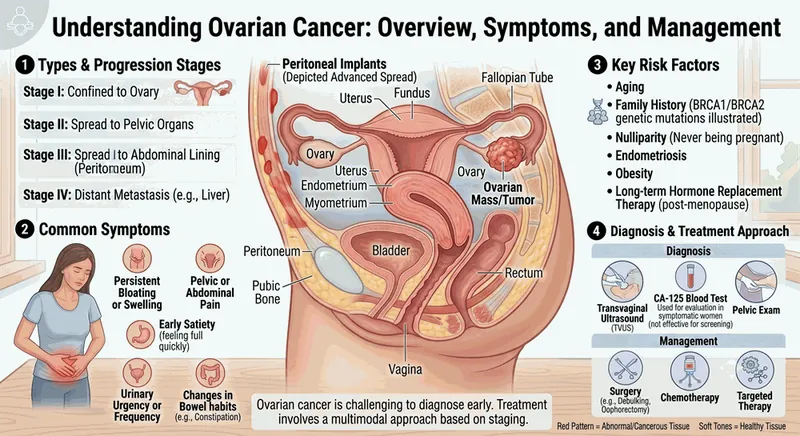
Ovarian cancer is a malignancy that originates in the ovary or in the fallopian tube and adjacent peritoneal surfaces, with recent evidence showing that most "ovarian" cancers actually begin in the fimbriated end of the fallopian tube.

Three broad histologic categories define ovarian cancer. Epithelial ovarian cancer accounts for approximately 90 percent of cases and arises from the surface epithelium of the ovary or fallopian tube. Germ cell tumors arise from the egg-producing cells and represent about 5 percent of cases, most common in adolescents and young women. Sex cord-stromal tumors arise from the hormone-producing cells (granulosa, theca, Sertoli, Leydig) and make up the remaining ~5 percent.

Approximately 20,000 American women receive a new diagnosis each year, and ovarian cancer remains the most lethal gynecologic malignancy because roughly 75 percent of cases are detected at stage III or IV. Staging follows the FIGO system, I (confined to ovaries) through IV (distant metastasis), and dictates the surgical and adjuvant treatment plan. The four subtypes most often encountered clinically are described below:

Ovarian cancer, ovary anatomy and fallopian-tube origin

"Ovarian cancer accounts for more deaths than any other cancer of the female reproductive system, largely because the majority of women are diagnosed at advanced stage when curative resection is no longer possible."

โ€” American Cancer Society, 2024 Cancer Facts & Figures

๐Ÿ…ฐ๏ธ High-Grade Serous Carcinoma (HGSC, ~70% of epithelial)

The most common and aggressive epithelial subtype. Almost always presents at stage III or IV. Strongly associated with germline and somatic BRCA1/BRCA2 mutations and TP53 mutation. Origin is now understood to be the fallopian tube fimbria in most cases.

  • โ†’Hallmarks: Late presentation, ascites, peritoneal carcinomatosis, elevated CA-125
  • โ†’Standard care: Cytoreductive surgery plus platinum/taxane chemotherapy; PARP inhibitors for BRCA+
  • โ†’Markers: CA-125 (sensitive but non-specific), HE4, ROMA score, BRCA1/2 testing
  • โ†’Holistic role: Supportive nutrition for chemo tolerance, microbiome care, recovery support

๐Ÿ…ฑ๏ธ Low-Grade & Other Epithelial Subtypes (~20%)

Includes low-grade serous, endometrioid, clear cell, and mucinous carcinomas. Behave more indolently than HGSC but are also less chemo-sensitive. Endometrioid and clear cell types are associated with endometriosis. Often diagnosed at earlier stages, with better overall outcomes.

  • โ†’Hallmarks: Slower-growing pelvic mass, less ascites, KRAS or BRAF mutations common
  • โ†’Standard care: Surgical staging primary; chemo response variable; hormone therapy for low-grade serous
  • โ†’Markers: CA-125 less reliable; CEA may be elevated in mucinous; consider Lynch syndrome workup
  • โ†’Holistic role: Estrogen-metabolism support (especially endometrioid), endometriosis-related inflammation

๐Ÿ…ฒ Germ Cell Tumors (~5%)

Arise from the egg-producing cells. Most common in adolescents and women under 30. Highly chemo-sensitive, particularly to BEP (bleomycin/etoposide/cisplatin) regimens, with excellent cure rates even in advanced disease. Fertility-sparing surgery often possible.

  • โ†’Hallmarks: Young patient, rapidly growing unilateral mass, often palpable abdominal mass
  • โ†’Standard care: Fertility-sparing unilateral oophorectomy plus BEP chemotherapy when indicated
  • โ†’Markers: AFP, beta-hCG, LDH (instead of CA-125); inhibin in some subtypes
  • โ†’Holistic role: Fertility support, anti-emetic nutrition, recovery from BEP-related fatigue and neuropathy

๐Ÿ…ณ Sex Cord-Stromal Tumors (~5%)

Arise from hormone-producing cells. Granulosa cell tumors are most common and frequently estrogen-secreting, causing post-menopausal bleeding or precocious puberty. Sertoli-Leydig tumors may be androgen-secreting, causing virilization. Indolent course with risk of late recurrence.

  • โ†’Hallmarks: Hormonal symptoms (bleeding, virilization), often confined unilateral mass
  • โ†’Standard care: Surgical resection primary; long-term surveillance because of late-recurrence risk
  • โ†’Markers: Inhibin B, AMH, estradiol or testosterone depending on subtype
  • โ†’Holistic role: Hormone-balance support, liver detox of excess estrogen, long-term surveillance nutrition

Ovarian Cancer Statistics & Research

~20,000
new US cases per year (American Cancer Society, 2024)
~90%
of cases are epithelial in origin
~75%
are diagnosed at FIGO stage III or IV
1 in 78
lifetime risk of ovarian cancer in the general female population
39โ€“58%
lifetime risk in women with germline BRCA1 or BRCA2 mutations
~50%
5-year survival across all stages combined

How Ovarian Cancer Presents

Ovarian cancer earned the nickname "the silent killer" because early symptoms are vague and easy to dismiss as digestive or stress-related. The pattern that matters is persistence and new onset, any of the symptoms below occurring more than 12 days a month, lasting more than 3 weeks, and new to your baseline warrants prompt evaluation.

๐Ÿคฐ Abdominal & Pelvic Symptoms

๐Ÿซƒ

Persistent Bloating & Abdominal Distension

A feeling that the abdomen is swollen or distended that does not resolve with usual measures and persists most days. Often the earliest and most reported symptom. Reflects tumor mass, ascites accumulation, or peritoneal involvement. Pants suddenly fitting tighter at the waist is a classic warning.

๐Ÿฝ๏ธ

Early Satiety & Loss of Appetite

Feeling full after only a few bites of food, then unable to eat more. Driven by mass effect on the stomach, ascites, or omental disease that displaces digestive organs. Often accompanied by unintended weight loss and is one of the most predictive symptoms in studies of early detection.

๐Ÿ˜ฃ

Pelvic or Abdominal Pain / Pressure

Dull, persistent pressure in the lower abdomen or pelvis, sometimes with sharper episodes, often described as "feeling like a constant low-grade period cramp." Different from typical menstrual or ovulatory pain because it does not cycle. Can also radiate to the lower back.

๐Ÿšฝ

Urinary Urgency & Frequency

Needing to urinate more often or with sudden urgency, even when the bladder is not full. Driven by pelvic mass effect on the bladder. Often misdiagnosed as recurrent UTI when cultures keep coming back negative.

๐Ÿ’ฉ

New-Onset Constipation or Bowel Changes

A persistent shift in bowel habits, typically constipation, sometimes with episodes of obstruction or stool caliber change. Driven by mass effect or peritoneal disease around the rectosigmoid colon. New, unexplained constipation in a woman over 50 warrants imaging.

๐Ÿฉธ

Post-Menopausal or Abnormal Bleeding

Vaginal bleeding after menopause, or unusual inter-menstrual bleeding in premenopausal women, can occur with hormone-secreting stromal tumors (granulosa cell) and occasionally with epithelial disease. Any post-menopausal bleeding is never normal and requires gynecologic workup.

๐ŸŒ Systemic & Late-Stage Symptoms

โš–๏ธ

Unintended Weight Loss

Loss of more than 5 percent of body weight over 6 months without dietary or activity change. Reflects cancer-associated cachexia, malabsorption due to peritoneal disease, or early satiety. Always warrants workup, especially when paired with the abdominal symptoms above.

๐Ÿ˜ฉ

Profound Fatigue & Weakness

A new, deep fatigue that does not improve with rest, often progressing over weeks. Reflects systemic tumor burden, anemia from chronic disease, and the metabolic load of advancing cancer. One of the most under-reported but most predictive symptoms in retrospective studies.

๐Ÿ˜ฐ

Shortness of Breath

Difficulty breathing on exertion or when lying flat, often due to ascites elevating the diaphragm or pleural effusion (fluid in the chest) from peritoneal seeding. A late but important sign, never to be ignored alongside abdominal symptoms.

๐Ÿ’ง

Ascites (Fluid Accumulation)

A swollen abdomen with fluid wave on physical examination, often accompanied by rapid weight gain in the abdomen with weight loss elsewhere. Reflects peritoneal carcinomatosis. May require therapeutic paracentesis for symptom relief while staging and treatment are arranged.

๐Ÿฆต

Leg Swelling or DVT

Unilateral leg swelling, redness, or pain may indicate deep vein thrombosis, a known complication of ovarian cancer because of the hypercoagulable state created by the tumor. DVT or PE in a postmenopausal woman without other risk factors should trigger gynecologic workup.

๐Ÿคข

Nausea, Vomiting & Indigestion

Persistent indigestion, reflux, or nausea that does not respond to typical GERD measures and is new to the patient. Often the symptom that gets a woman a workup for digestive disease first, when an abdominal ultrasound would more directly find the cause.

โš ๏ธ The 12-Day Rule: Any combination of bloating, early satiety, pelvic pressure, urinary urgency, or new bowel changes occurring more than 12 days per month for more than 3 weeks, and new to your baseline, warrants a transvaginal ultrasound and CA-125 within 2 to 3 weeks. Earlier-stage detection is the single most powerful determinant of survival.

How to Test for Ovarian Cancer

There is no validated population-wide screening test for ovarian cancer, which is part of why advanced presentation is so common. Diagnosis is built from history plus imaging plus tumor markers, with definitive diagnosis made surgically at the time of staging.

๐Ÿ  At-Home Screening & Risk Stratification

These tools do not replace medical evaluation, but they help identify women who should pursue formal workup promptly:

๐Ÿ“… Symptom Diary (12-Day Rule)

Track the frequency, duration, and severity of bloating, early satiety, pelvic pressure, urinary urgency, and bowel changes for at least 4 weeks. Any single symptom recurring more than 12 days per month for greater than 3 weeks, especially if new, is a validated trigger for ultrasound and CA-125. Apps like Cara Care or a simple paper log work well.

๐Ÿงฌ Family-History & Genetic Risk Assessment

Map first- and second-degree relatives with breast, ovarian, uterine, colon, or pancreatic cancer. Two or more relatives, especially under 50, or Ashkenazi Jewish ancestry, warrants formal genetic counseling and BRCA1/BRCA2/Lynch testing. Carrier status changes screening, prevention, and treatment decisions.

๐Ÿ“‹ Modifiable Risk Inventory

Tally personal risk factors: nulliparity, late menopause, endometriosis, obesity, hormone replacement therapy (specifically estrogen-only, longer than 5 years), and smoking history. Each point individually carries small additional risk, the inventory is most useful in deciding how aggressive to be with surveillance and lifestyle modification.

๐Ÿ”ฌ Clinical & Lab Workup

๐Ÿ“ท Transvaginal Ultrasound (TVUS)

The first-line imaging study. Identifies ovarian masses, characterizes them (simple cyst vs. complex, septated, solid component, vascularity), and detects ascites. Sensitivity for early epithelial cancer is limited, which is why it is combined with tumor markers. Pelvic MRI is added when ultrasound is indeterminate.

๐Ÿ’‰ CA-125 & HE4 Tumor Markers

CA-125 is elevated in approximately 80 percent of epithelial ovarian cancers but is non-specific, also elevated in endometriosis, fibroids, pelvic inflammation, and benign cysts. HE4 is more specific for malignancy. The ROMA score (Risk of Ovarian Malignancy Algorithm) combines both with menopausal status for better risk stratification.

๐Ÿงฌ BRCA1 / BRCA2 & Multi-Gene Panel Testing

NCCN guidelines recommend germline testing for every woman diagnosed with epithelial ovarian cancer, regardless of family history. Panels typically include BRCA1, BRCA2, BRIP1, RAD51C, RAD51D, PALB2, and Lynch-syndrome genes (MLH1, MSH2, MSH6, PMS2). Positive results guide PARP-inhibitor eligibility and family screening.

๐Ÿ“ท CT & PET Imaging for Staging

Once malignancy is suspected, contrast-enhanced CT of the chest, abdomen, and pelvis is the standard staging study. PET-CT is added for ambiguous findings or restaging. These define peritoneal disease burden, lymph-node involvement, and distant metastases, all of which guide whether primary surgery or neoadjuvant chemotherapy is chosen.

๐Ÿ”ฌ Histologic Diagnosis & Molecular Profiling

Definitive diagnosis requires tissue, obtained at surgical staging or, in poor surgical candidates, by image-guided biopsy or paracentesis cytology. Modern pathology includes tumor molecular profiling, BRCA somatic, HRD score, MMR/MSI, folate-receptor alpha, which now drives targeted-therapy selection.

๐Ÿงซ Baseline Nutrient & Metabolic Status

25-OH vitamin D, ferritin, albumin, pre-albumin, hs-CRP, B12, magnesium, fasting glucose & HbA1c. These define baseline nutritional reserve before chemotherapy and identify deficiencies that worsen treatment tolerance and recovery. Repeat midway through treatment.

Holistic vs. Conventional Treatment for Ovarian Cancer

For ovarian cancer, standard oncology is the primary, life-saving treatment. The holistic approach described here is complementary, designed to be used alongside surgery, chemotherapy, and targeted therapy under oncology supervision, not in place of them.

๐ŸŒฟ HOLISTIC (COMPLEMENTARY)
๐Ÿ’Š CONVENTIONAL ONCOLOGY
๐ŸŒฟ

Holistic / Supportive Approach (Alongside Oncology)

Supports the body through standard treatment, mitigates side effects, optimizes recovery, and reduces recurrence risk

Primary Role
Supportive nutrition, microbiome and gut care, chemo-side-effect mitigation, recovery and prevention of recurrence
Duration
Continuous, from diagnosis through active treatment and into survivorship
Effect on Disease
Improves tolerance, quality of life, and may modestly reduce recurrence; does not replace tumor-directed therapy
Goal
Optimal recovery, lower toxicity, durable survivorship
Protocol Includes (alongside oncology, with oncology approval)
  • Pre-chemo nutritional optimization, protein 1.2 to 1.5 g/kg, anti-inflammatory whole-food eating, baseline vitamin D and ferritin correction
  • During chemo, small protein-anchored meals, ginger and peppermint for nausea, hydration, gut-microbiome support to reduce dysbiosis
  • Targeted supportive supplements with oncology approval, omega-3, vitamin D3, B-complex, probiotics, melatonin at night
  • Gentle movement, walking 20 to 30 minutes daily, restorative yoga, lymphatic drainage as tolerated
  • Sleep optimization and circadian rhythm support, especially during chemo cycles
  • Mind-body care, breathwork, meditation, counseling for diagnosis-related distress; significant evidence for outcome benefit
  • Endocrine-disruptor reduction, especially for hormone-sensitive subtypes (low-grade serous, stromal)
  • Survivorship phase, anti-inflammatory diet, weight management, low-glycemic eating to reduce recurrence risk
โœ… Note on supplements during chemo: Several supplements (high-dose antioxidants, St John's Wort, grapefruit, some herbal extracts) interfere with chemotherapy. Always disclose every supplement to your oncology team and pharmacist before and during treatment, and consider working with an integrative oncology clinician.

Root Causes of Ovarian Cancer

Ovarian cancer arises from a combination of genetic susceptibility, hormonal exposure over the reproductive lifespan, chronic inflammation, and environmental factors. No single cause explains every case, but each driver below offers a modifiable lever to reduce recurrence risk during survivorship.

Root Cause How It Contributes to Ovarian Cancer Holistic Solution (Complementary)
Germline BRCA1 / BRCA2 MutationsInherited mutations impair DNA double-strand-break repair, dramatically increasing lifetime risk to 39 to 58 percent. Account for ~15 to 20 percent of epithelial ovarian cancers.Genetic counseling; risk-reducing salpingo-oophorectomy at age 35 to 45 (with oncology team); enhanced screening; cascade testing of relatives; antioxidant-rich diet
Lifetime Ovulatory Cycles & NulliparityEach ovulation creates micro-trauma to ovarian surface epithelium. More lifetime ovulations (early menarche, late menopause, nulliparity) correlate with higher risk.Breastfeeding (each year reduces risk); oral contraceptives reduce risk 30 to 50 percent over 5+ years (discuss with care team); fewer ovulatory cycles during reproductive years
Chronic Pelvic InflammationEndometriosis, pelvic inflammatory disease, and chronic inflammation drive oxidative DNA damage in nearby ovarian and tubal tissue. Endometriosis is strongly linked to clear-cell and endometrioid subtypes.Treat endometriosis aggressively, anti-inflammatory diet, omega-3, curcumin, address gut dysbiosis, manage PID promptly
Hormone Replacement Therapy (Unopposed Estrogen)Long-term estrogen-only HRT (greater than 5 years) modestly increases ovarian cancer risk, particularly serous and endometrioid subtypes.If HRT is needed for menopause, use bioidentical estrogen with progesterone, lowest effective dose, shortest duration. Discuss alternatives with care team.
Obesity & Metabolic DysfunctionAdipose tissue produces excess estrogen and inflammatory cytokines; insulin resistance promotes tumor growth via IGF-1 signaling. Obesity increases risk approximately 30 percent.Low-glycemic anti-inflammatory eating, strength training, sleep optimization, address insulin resistance; weight loss reduces recurrence risk during survivorship
Endocrine-Disrupting ChemicalsTalc (with asbestos contamination historically), BPA, phthalates, parabens, and PFAS chemicals concentrate in ovarian tissue and disrupt hormone signaling and DNA repair.Avoid talc in genital area, glass/stainless instead of plastic, fragrance-free personal care, EWG Dirty Dozen guidance, filter drinking water
Smoking & Toxin ExposureSmoking is strongly linked to mucinous ovarian cancer specifically and to overall cancer recurrence. Industrial solvents and pesticides are also linked.Smoking cessation is highest-impact single change; minimize occupational toxin exposure; support liver detox pathways with cruciferous vegetables
Vitamin D DeficiencyVitamin D regulates cell-cycle control and apoptosis. Low 25-OH-D levels correlate with higher ovarian cancer incidence and poorer survival outcomes in observational studies.Test 25-OH-D, target 50 to 80 ng/mL with D3 2000 to 5000 IU plus K2; safe sun exposure when appropriate; retest every 3 to 6 months
Gut Microbiome DysbiosisThe estrobolome (gut bacteria that metabolize estrogens) regulates circulating estrogen. Dysbiosis impairs estrogen detoxification and elevates inflammatory cytokines.Fermented foods, diverse plant fiber (30+ plants per week), targeted probiotics; address SIBO/candida if present; minimize unnecessary antibiotics
Chronic Stress & HPA DysregulationSustained cortisol suppresses NK-cell activity (cancer immune surveillance) and drives chronic inflammation. Observational data link chronic stress to poorer cancer outcomes.Mind-body practices (meditation, breathwork, yoga); adequate sleep; counseling and social support; nature exposure; community and meaning

Ovarian Cancer Diet Guide

During and after ovarian cancer treatment, nutrition is one of the most powerful tools you control. The goals shift between phases, prevent malnutrition during chemo, support tissue repair during recovery, and reduce recurrence risk during survivorship.

๐Ÿฅ—

The Anti-Inflammatory, Tissue-Building Pattern

Cancer treatment is metabolically demanding. Surgery, chemotherapy, and targeted therapy all increase protein turnover, oxidative stress, and inflammation. The eating pattern that supports the patient through this is nutrient-dense, anti-inflammatory, and adequate in protein, not a restrictive "cancer diet" that risks weight loss and sarcopenia during treatment.

The framework: prioritize protein at every meal (1.2 to 1.5 g/kg body weight per day during treatment), build the rest of the plate around colorful vegetables and fruit, include healthy fats, and use slow carbs from whole foods. During active chemo, eat smaller more frequent meals and prioritize calorie density.

During Active Treatment:

  • 1Protein priority, 1.2 to 1.5 g/kg per day, prevents muscle loss
  • 2Calorie adequacy, do not under-eat; weight loss worsens treatment tolerance
  • 3Frequent small meals, 5 to 6 per day if nausea or early satiety
  • 4Hydration, 2 to 3 liters daily, especially around chemo cycles

Survivorship & Recurrence Prevention:

  • ๐Ÿฅฌ30+ different plants per week, microbiome and polyphenol diversity
  • ๐ŸŸOmega-3-rich fish 2 to 3x/week, anti-inflammatory and supports tissue repair
  • ๐ŸฅฆCruciferous vegetables daily, indole-3-carbinol supports estrogen detox
  • ๐ŸšถPost-meal walks, blood sugar control reduces IGF-1 and recurrence signaling
๐Ÿ’ก Do not attempt restrictive or fasting protocols during chemo without explicit oncology clearance, prolonged fasting can worsen treatment-related weight loss.
โš ๏ธ These foods drive inflammation, insulin resistance, and oxidative stress, all of which support tumor biology. Particular emphasis during survivorship to reduce recurrence risk.
  • โœ—Refined sugar & sugar-sweetened beverages: Spike insulin and IGF-1, both growth signals for cancer cells. Soda, juice, candy, baked goods, sweetened coffee drinks.
  • โœ—Refined flour: White bread, white pasta, pastries, crackers. Acts metabolically like sugar.
  • โœ—Processed & cured meats: Bacon, deli meats, hot dogs. WHO Group 1 carcinogen; minimize during survivorship.
  • โœ—Industrial seed oils: Soybean, canola, corn, cottonseed, sunflower, safflower. High omega-6, pro-inflammatory.
  • โœ—Alcohol: Class 1 carcinogen. Raises circulating estrogen and impairs DNA repair. Minimize during survivorship, abstain during active treatment.
  • โœ—Charred & deep-fried foods: Heterocyclic amines and AGEs from high-temperature cooking; pro-inflammatory and carcinogenic in concentrated form.
  • โœ—Trans fats: Partially hydrogenated oils still in some baked goods, fried foods, and margarines.
  • โœ—Excess red meat (over 350 g/wk): Modest increase in recurrence risk. Choose grass-fed in moderation; favor poultry and fish.
  • โœ—Raw/undercooked foods during neutropenia: Raw sushi, soft cheeses, sprouts, rare meat. Infection risk during chemo.
๐Ÿ’ก These foods support tissue repair, the immune system, and the gut microbiome, all critical through treatment and into survivorship.
  • โœ“Quality proteins: Wild salmon and sardines (omega-3 + protein), pastured eggs, organic poultry, grass-fed beef in moderation, lentils, organic tofu, Greek yogurt if tolerated.
  • โœ“Cruciferous vegetables daily: Broccoli, cauliflower, Brussels sprouts, kale, cabbage, bok choy, watercress. Indole-3-carbinol and sulforaphane support estrogen detox and apoptosis pathways.
  • โœ“Colorful vegetables & fruits: Berries (anthocyanins), leafy greens, beets, carrots, tomatoes (cooked, for lycopene), peppers. Aim for 7 to 9 servings daily.
  • โœ“Healthy fats: Extra-virgin olive oil, avocado, walnuts, almonds, flax and chia seeds, pumpkin seeds.
  • โœ“Fermented foods: Kimchi, sauerkraut, plain kefir if tolerated, miso. Support microbiome and estrogen metabolism. Avoid during severe neutropenia.
  • โœ“Slow carbs: Sweet potato, butternut squash, lentils, chickpeas, quinoa, steel-cut oats. Steady energy without insulin spikes.
  • โœ“Polyphenol-rich beverages: Green tea (EGCG), matcha, herbal teas. 2 to 3 cups daily; avoid during specific chemo windows if interactions are flagged.
  • โœ“Mushrooms: Maitake, shiitake, reishi (food, not high-dose extract during chemo). Beta-glucans support immune surveillance.
  • โœ“Spices: Turmeric (with black pepper) for inflammation, ginger for nausea, garlic for immune support, rosemary, oregano.

Key Supplements for Ovarian Cancer Recovery

Supportive supplements during and after cancer treatment must be coordinated with the oncology team. Several common supplements interact with chemotherapy or targeted therapies, and high-dose antioxidants in particular may blunt treatment effect. The list below highlights the most evidence-based supportive options; always confirm with your oncologist before adding any.

Supplement Role in Ovarian Cancer Recovery Suggested Dose Timing Notes
Vitamin D3 (with K2)Low 25-OH-D is associated with poorer ovarian cancer outcomes. Restoring optimal levels supports immune function, calcium balance, and bone health (especially relevant after surgical menopause).2000 to 5000 IU D3 + 100 to 200 mcg MK-7 K2 per dayWith a fat-containing meal, morningTest 25-OH-D first, target 50 to 80 ng/mL. Discuss with oncologist before/during treatment.
Omega-3 EPA/DHAReduces systemic inflammation, supports lean body mass during treatment, helps mitigate cancer-related cachexia, and may improve chemo tolerance and quality of life.2 to 4 g combined EPA+DHA per dayWith mealsChoose IFOS-certified for purity. Discuss with oncologist; hold before surgery per surgical team protocol.
Whey or Pea Protein PowderHelps achieve the 1.2 to 1.5 g/kg protein target during treatment when appetite is impaired. Whey provides leucine for muscle protein synthesis; pea is plant-based alternative.20 to 30 g per serving, 1 to 2 times daily as neededMorning or post-walk; between mealsChoose grass-fed unflavored whey or sprouted-pea isolate. Avoid added sugars and seed oils.
Curcumin (Turmeric Extract)Potent anti-inflammatory; some preclinical evidence of synergy with chemotherapy, but timing and interactions matter. Helpful for treatment-related joint pain and inflammation in survivorship.500 to 1000 mg curcumin per dayWith a fat-containing mealDiscuss with oncologist before/during treatment; some formulations may interfere with specific chemo agents.
Magnesium GlycinateSupports nerve repair (helpful for chemo-induced peripheral neuropathy), sleep, and muscle relaxation. Commonly depleted during chemotherapy.300 to 400 mg elemental magnesium per dayEvening, 30 to 60 min before bedGlycinate is best tolerated. Adjust dose if loose stools occur.
B-Complex (Methylated)Supports energy production, neurotransmitter synthesis, and methylation pathways. Helpful for chemo-related fatigue and post-treatment recovery.1 capsule per day per product labelMorning with foodMethylated forms (L-methylfolate, methylcobalamin) preferred. Avoid high-dose individual folic acid in some cancers, discuss with oncologist.
Probiotic (Multi-Strain)Supports gut microbiome recovery during and after antibiotics and chemo, reduces chemo-related diarrhea and mucositis in some studies, supports estrobolome.25 to 50 billion CFU per day, multi-strainEmpty stomach or with light mealAvoid during severe neutropenia (ANC less than 500) without oncology approval. Resume in recovery phase.
L-GlutamineSupports intestinal lining repair and may reduce chemo-related mucositis and diarrhea. Also supports muscle recovery.5 to 10 g 2 to 3 times dailyBetween meals, mixed in waterDiscuss with oncologist; some controversy regarding tumor metabolism in specific cancers. Generally well-tolerated in ovarian cancer protocols.
Coenzyme Q10 (Ubiquinol)Mitochondrial cofactor; may reduce anthracycline-related cardiotoxicity, support energy, and help with chemo fatigue.100 to 300 mg ubiquinol per dayWith a fat-containing meal, morningDiscuss with oncologist; if on warfarin, may interact.
MelatoninStrong circadian regulator. Multiple clinical trials in advanced cancer suggest improved sleep, fewer chemo side effects, and possible survival benefit when added at night.3 to 20 mg at bedtime (oncology-supervised for higher doses)30 to 60 min before sleepStart low (3 mg) and titrate. Discuss higher doses with integrative oncology.
Ginger Capsules / TeaRCT-supported for chemo-induced nausea, particularly delayed nausea after first 24 hours. Well-tolerated; complements anti-emetic medications.500 to 1500 mg per day in divided dosesBefore and during chemo days; with mealsStop 1 week before surgery (mild antiplatelet effect). Coordinate with oncology pharmacist.
Iron (only if documented deficiency)Cancer-related anemia is common. Iron should be supplemented only when iron studies confirm true deficiency, not anemia of chronic disease.25 to 65 mg elemental iron per day if deficientEmpty stomach with vitamin C; or oral every other day for absorptionConfirm with ferritin and iron studies. Discuss with oncologist before/during treatment.
Astragalus (Food-Grade or Supplement)Adaptogenic herb with immune-supporting properties. Some integrative protocols include it in survivorship for immune recovery, not during active chemo without supervision.500 to 1500 mg per day (recovery phase)Morning with foodDiscuss with oncologist before/during treatment, immunomodulatory effects may interact with immunotherapy.
Medicinal Mushroom Extract (Turkey Tail, PSK)Beta-glucan-rich; some clinical evidence of immune support and improved outcomes in adjuvant cancer care, mostly studied in GI cancers.1 to 3 g per dayWith mealsDiscuss with oncologist; avoid during immunotherapy unless specifically supervised.
Vitamin C (Oral, Dietary)Supports collagen synthesis and immune function. Oral dietary intake (food and modest supplementation) is supportive; high-dose IV vitamin C is a separate, oncology-supervised intervention.500 to 1000 mg per day (oral) from food and supplementDivided doses with mealsAvoid high-dose oral antioxidants during specific chemo cycles without oncology guidance.
SeleniumTrace mineral important for thyroid function and glutathione peroxidase. May support chemo tolerance at modest doses.100 to 200 mcg per dayWith food, morningDiscuss with oncologist; do not exceed 400 mcg/day. Brazil nuts are a natural food source.
QuercetinFlavonoid with anti-inflammatory and possible chemo-sensitizing effects in preclinical data; needs more clinical evidence in ovarian cancer specifically.500 mg 1 to 2 times daily (recovery phase)With mealsDiscuss with oncologist before/during treatment; possible interactions with specific drugs.
Indole-3-Carbinol (I3C) / DIMCruciferous-derived; supports favorable estrogen metabolism (2-hydroxy over 16-hydroxy). Useful in hormone-sensitive ovarian cancers during survivorship.200 to 400 mg DIM per day (survivorship)With a fat-containing mealDiscuss with oncology; food sources (cruciferous vegetables) are always first choice.

Healing Timeline: Conventional vs. Holistic

Standard oncology delivers the tumor-directed treatment. Holistic support runs in parallel from diagnosis through survivorship to optimize tolerance, recovery, and long-term outcomes.

๐ŸŒฟ Holistic Supportive Care
Pre-Treatment (Weeks 0โ€“4)

Nutritional optimization, correct vitamin D and ferritin, baseline anti-inflammatory diet, address sleep and stress, build muscle mass with protein and resistance work.

During Active Treatment (Months 1โ€“6)

Protein-anchored small frequent meals, ginger for nausea, hydration, gentle walking, sleep hygiene, mind-body work, oncology-approved supportive supplements.

Recovery Phase (Months 6โ€“12)

Microbiome restoration, neuropathy support, energy rebuilding, gradual return to strength training, address treatment-related menopause symptoms.

Survivorship (Year 1+)

Anti-inflammatory survivor diet, 30+ plants per week, weight management, low-glycemic eating, ongoing stress and circadian work, regular surveillance with oncology.

Long-Term Outlook

Better treatment tolerance, faster recovery, improved quality of life; emerging evidence for modest reduction in recurrence risk when sustained.

๐Ÿ’Š Conventional Oncology Treatment
Diagnosis & Staging (Weeks 0โ€“4)

Imaging (TVUS, CT), tumor markers (CA-125, HE4), genetic testing (BRCA, HRD), multidisciplinary tumor board planning for primary surgery vs neoadjuvant chemo.

Surgery (Week 4โ€“8)

Cytoreductive (debulking) surgery, often hysterectomy, bilateral salpingo-oophorectomy, omentectomy, and peritoneal sampling. Goal of no visible residual disease.

Adjuvant Chemotherapy (Months 2โ€“8)

6 cycles of carboplatin + paclitaxel every 3 weeks. Bevacizumab added in high-risk cases. Side effects managed with supportive medications.

Maintenance Therapy (Months 8โ€“36)

PARP inhibitors (olaparib, niraparib, rucaparib) for BRCA-mutated or HRD-positive disease, dramatically improving progression-free survival.

Long-Term Outlook

Stage I 90%+ five-year survival; Stage III ~40%; Stage IV ~20%. Outcomes improving with PARP inhibitors and emerging targeted therapies.

"Modern oncology gives us the surgery and the chemo that save lives. Nutrition, movement, sleep, and meaning are what carry the patient through the treatment, and into a survivorship that is actually worth living."

Ready to Address Your Ovarian Cancer at the Root?

Holistic nutrition support is most powerful when integrated with your oncology team's plan.