Inflammation of the stomach lining, acute or chronic. Most commonly caused by H. pylori, NSAIDs, alcohol, or autoimmune attack. Symptoms range from silent to burning epigastric pain. DGL licorice, slippery elm, and zinc-carnosine heal the gastric lining.
Last updated:
Gastritis is inflammation of the stomach lining (mucosa). It can be acute (sudden, often resolves) or chronic (persistent, often progressive). The hallmark is breakdown of the protective mucus layer, allowing stomach acid to irritate or damage the underlying tissue.
~50% of gastritis cases are caused by Helicobacter pylori infection, a bacteria that colonizes ~50% of the world population (less in developed countries). Other major causes: NSAIDs (ibuprofen, aspirin), alcohol, severe stress (ICU patients), bile reflux, autoimmune attack on parietal cells (autoimmune atrophic gastritis), and viral infections.
Untreated chronic gastritis progresses through stages: chronic inflammation โ atrophy โ intestinal metaplasia โ dysplasia โ gastric cancer. This makes early identification and treatment of the root cause critical, particularly H. pylori eradication.
Sudden inflammation, often from NSAIDs, alcohol binge, severe stress, or food poisoning. Symptoms: burning epigastric pain, nausea, sometimes vomiting blood. Usually resolves with removal of the trigger plus mucosal healing support (DGL, slippery elm).
Immune system attacks parietal cells (acid producers) and intrinsic factor, leads to hypochlorhydria, B12 deficiency (pernicious anemia), and elevated gastric cancer risk. Associated with Hashimoto's, type 1 diabetes, vitiligo. Requires lifelong B12 supplementation.
Chronic gastritis is often silent. Acute gastritis usually announces itself loudly. Both warrant evaluation, silent chronic disease quietly progresses.
Upper central abdominal burning or gnawing, often worse on an empty stomach OR after eating (varies by individual). Classic "stomach ache" felt below the breastbone. Eating sometimes relieves, sometimes worsens.
Inflammation impairs gastric emptying and reduces appetite. Persistent nausea with no clear cause, especially in the morning, warrants H. pylori testing.
Feeling full after just a few bites; persistent bloating after meals. Reflects impaired gastric motility from inflammation. Often misdiagnosed as functional dyspepsia.
Burning sensation in chest or throat as stomach acid moves backward. Common when gastritis impairs the lower esophageal sphincter or alters gastric emptying.
Bright red blood OR dark "coffee-ground" appearance indicates active or recent gastric bleeding. MEDICAL EMERGENCY, seek immediate evaluation.
Digested blood from upper GI bleeding turns stool black and sticky. EMERGENCY. Distinguish from iron supplements (which also darken stool but don't cause stickiness/smell).
Slow, chronic blood loss from inflamed gastric lining causes iron-deficiency anemia. Unexplained anemia, especially in adults, requires upper GI evaluation to rule out gastritis, ulcers, or cancer.
Atrophic gastritis impairs intrinsic factor production, causing B12 deficiency. Symptoms: fatigue, neuropathy, glossitis (smooth/painful tongue), cognitive changes. Often misattributed to aging.
Most accurate non-invasive test. Drink urea labeled with carbon-13, then breath into a bag. H. pylori's urease enzyme breaks it down, releasing labeled CO2. Detects active infection. Stop PPIs 2 weeks before for accurate results.
Detects H. pylori proteins in stool. Highly accurate, useful for diagnosis and confirming eradication. Also requires PPI hold of 2 weeks.
Detects past or current infection but cannot distinguish active from resolved. Less useful for diagnosis; not used for confirming eradication. Lowest accuracy of the three.
Mastic gum, DGL licorice, zinc-carnosine, mucosal healers, stress reduction, trigger elimination
Gastritis diet has two phases: acute (anti-inflammatory, soothing, easy to digest) and maintenance (prevent recurrence). Avoid common pitfalls, even healthy foods can irritate inflamed gastric tissue.
Broccoli sprouts (especially!) are rich in sulforaphane, which has been shown to inhibit H. pylori and reduce gastric inflammation. Eat well-cooked initially if raw irritates.
EGCG and catechins inhibit H. pylori growth and reduce gastric inflammation. Drink 2-3 cups daily, not on completely empty stomach if it irritates.
Methylglyoxal content inhibits H. pylori. 1 teaspoon 2-3x daily. Soothing and antimicrobial. Standard honey doesn't have the same effect.
Bone broth provides glutamine and collagen for mucosal repair. Fermented foods (sauerkraut, kefir if tolerated) support healing microbiome. Start small to avoid bloating.
Direct irritant to gastric mucosa. Even moderate amounts impair healing. Eliminate completely during acute phase; minimize permanently if recurrent gastritis.
Coffee stimulates acid production and is a direct irritant. Citrus juices and sodas are highly acidic. Limit during acute phase; gradually reintroduce as healing progresses.
Capsaicin, fried food fats, and processed seasonings irritate inflamed gastric tissue. Bland during acute phase; reintroduce gradually if tolerated.
Ibuprofen, aspirin, naproxen damage gastric mucus layer. Single biggest avoidable cause of gastritis. Use acetaminophen for pain, or address inflammation through diet/curcumin instead.
These supplements address H. pylori, mucosal healing, inflammation, and downstream nutrient deficiencies common in chronic gastritis.
| Supplement | Mechanism & Evidence | Suggested Dose | Timing | Notes |
|---|---|---|---|---|
| Mastic Gum (Pistacia lentiscus) | Resin from Greek mastic tree. RCTs show in vitro and in vivo H. pylori inhibition; case series document gastric mucosa healing. Doesn't develop bacterial resistance. | 500-1,000mg 2x/day | Empty stomach (morning & before bed) | Greek-sourced highest quality. 4-8 week course; can repeat. |
| DGL Licorice | Deglycyrrhizinated licorice stimulates mucus secretion and bicarbonate production. Strong evidence in functional dyspepsia, gastritis, peptic ulcer. No BP-raising effect (vs regular licorice). | 380-760mg chewable, 2-3x/day | 20 min before meals | MUST be chewable for action in stomach. Avoid regular licorice if hypertensive. |
| Zinc-Carnosine (Polaprezinc) | Approved drug in Japan for gastric ulcers. Forms protective complex on gastric mucosa, accelerates healing, has direct H. pylori inhibition. Strong RCT evidence. | 75mg 2x/day | Empty stomach, between meals | Take separately from minerals and antibiotics. 4-8 week course. |
| S. boulardii | Yeast probiotic. Improves H. pylori eradication when added to triple therapy (~8-10% improvement) and reduces antibiotic side effects (diarrhea). | 250-500mg 2x/day | Throughout antibiotic course + 2 weeks after | Safe with antibiotics (unlike bacterial probiotics). |
| Probiotic blend (esp. L. reuteri) | Specific Lactobacillus strains reduce H. pylori density. L. reuteri DSM 17648 specifically marketed as Pylopass, clinically shown to reduce H. pylori counts. | Per product label, usually 1-2 caps/day | With meals | Adjunct, not standalone for H. pylori. Take separately from S. boulardii by a few hours. |
| Vitamin B12 (Methylcobalamin) | Atrophic gastritis impairs intrinsic factor โ B12 deficiency โ anemia + neuropathy. Sublingual or injection bypasses absorption issue. | 1,000-2,000mcg/day sublingual OR monthly IM injection | Any time | Required LIFELONG in autoimmune atrophic gastritis. Test serum B12, methylmalonic acid, holotranscobalamin. |
| Iron (Bisglycinate) | Chronic gastritis often causes iron deficiency from low absorption (need acid for iron) + chronic blood loss. Bisglycinate form well-absorbed without stomach upset. | 25-50mg elemental iron/day if deficient | Empty stomach + Vitamin C, away from coffee/tea/dairy | Test ferritin, transferrin saturation. Don't supplement without confirmed deficiency. |
| Broccoli Sprout Extract / Sulforaphane | Sulforaphane inhibits H. pylori, induces gastric mucosa NRF2-mediated antioxidant defense. Small RCTs show reduced H. pylori density. | 50-100mg sulforaphane glucosinolate/day OR fresh broccoli sprouts daily | With meals | Fresh sprouts (3-5 day old) richest source. Slight peppery taste. |
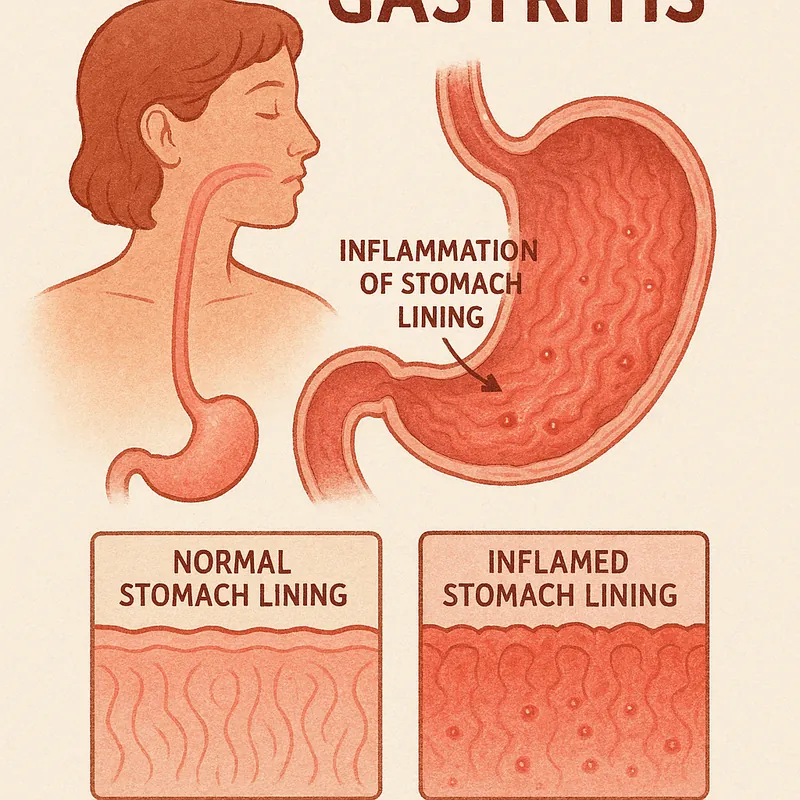
Gastritis is treatable and often reversible. Address the root cause (H. pylori, NSAIDs, alcohol, autoimmunity), heal the mucosa, restore healthy gastric function, and prevent the progression to ulcers or cancer.