Gastroparesis

Delayed gastric emptying without mechanical obstruction. Diabetes, vagal nerve damage, and post-viral causes are most common. Small frequent meals, lower fat/fiber, ginger, and prokinetic herbs (Iberogast) reduce symptoms.

Gut & Digestive Evidence-Based Root-Cause Focus

Last updated:

What Is Gastroparesis?

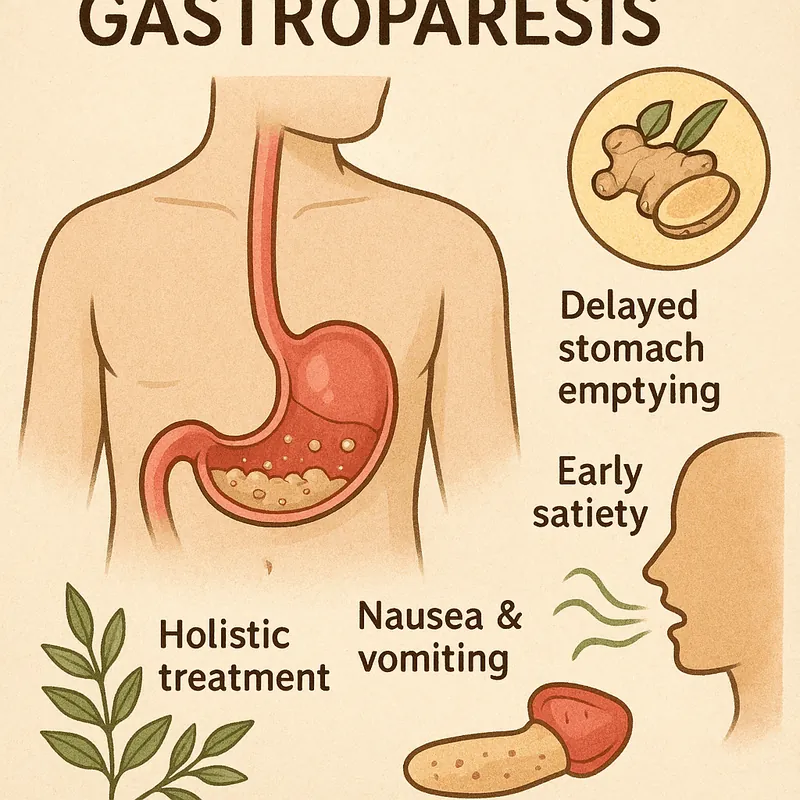
Gastroparesis is delayed gastric emptying without mechanical obstruction. The stomach's normal coordinated contractions (peristalsis) are impaired, food sits in the stomach far longer than normal, causing nausea, early satiety, bloating, and unpredictable blood sugar patterns. Literally "stomach paralysis," though most cases involve dysmotility rather than true paralysis.

The most common causes are diabetes (especially long-standing type 1; ~30-50% of long-term diabetics develop some gastroparesis), post-viral (often follows a GI infection or COVID), idiopathic (unknown cause; ~40% of cases), and surgical/iatrogenic (vagus nerve damage from fundoplication or other upper GI surgery). Connective tissue diseases (scleroderma) and neurological conditions (Parkinson's) also cause it.

Gastroparesis is profoundly disabling, chronic nausea and inability to eat normally impacts every aspect of life. Treatment focuses on identifying root cause when possible, optimizing diet, prokinetic medications/supplements, and managing complications (especially blood sugar instability in diabetic gastroparesis).
โš ๏ธ Diabetic gastroparesis creates dangerous blood sugar swings, food may release suddenly hours after meals, causing hypoglycemia mid-meal then hyperglycemia later. Discuss insulin timing carefully with your endocrinologist if you have both diabetes and gastroparesis.
Gastroparesis illustration

Types of Gastroparesis

๐ŸŒฑ Diabetic Gastroparesis

Long-term hyperglycemia damages vagus nerve โ†’ autonomic neuropathy โ†’ impaired gastric motility. ~30-50% of long-standing type 1 diabetics; ~30% of type 2. Strict glycemic control may slow progression.

๐ŸŒ— Post-Viral / Idiopathic

Follows viral illness (norovirus, CMV, EBV, COVID), damages enteric nervous system. ~40% of cases are idiopathic (no clear cause). Post-viral cases sometimes resolve spontaneously over 1-2 years; idiopathic tends to be chronic.

๐ŸŒ‘ Iatrogenic / Surgical

Vagus nerve damage from fundoplication (anti-reflux surgery), bariatric procedures, or upper abdominal surgeries. Sometimes from medications (opioids, GLP-1 agonists, anticholinergics). Resolves if causative medication can be stopped.

~5M
US adults with delayed gastric emptying
4:1
Female to male ratio
~40%
Cases are idiopathic
~30%
Of long-standing type 1 diabetics affected

Symptoms of Gastroparesis

The hallmark is "fullness disproportionate to intake", feeling stuffed after a few bites. Chronic nausea is often the most disabling symptom.

๐ŸŒฟ Primary GI Symptoms

๐Ÿคข

Chronic Nausea

Most common and disabling symptom. Often constant, worse with meals. Vomiting may occur hours after eating, sometimes containing undigested food from earlier in the day.

๐Ÿฝ๏ธ

Early Satiety

Feeling full after a few bites; unable to finish normal-sized meals. Patients often eat very small portions throughout the day. Significant weight loss common.

๐Ÿ’จ

Bloating & Abdominal Distension

Stomach distended from retained contents; visible bloating after meals. Sometimes severe enough to require loosening clothing. Belching common.

๐Ÿ˜ฃ

Upper Abdominal Pain

Dull or burning epigastric pain, often after meals. Less prominent than nausea but present in ~70% of patients. Sometimes radiates to back.

โš ๏ธ Complications & Systemic

โš–๏ธ

Unintentional Weight Loss & Malnutrition

From inability to eat enough to maintain calories. Risk of multiple nutrient deficiencies. Some patients require enteral or parenteral nutrition in severe cases.

๐Ÿ“ˆ

Erratic Blood Sugar (Diabetics)

Delayed and unpredictable absorption causes hypoglycemia after insulin doses, then hyperglycemia hours later when food finally absorbs. Major management challenge for diabetic patients.

๐Ÿงฑ

Bezoars (Trapped Food Masses)

Undigested fibrous food (vegetables, fruits with skins) can form solid masses in the stomach. Cause obstruction, ulceration. Require endoscopic removal in severe cases.

๐Ÿชซ

Severe Quality-of-Life Impact

Eating becomes anxiety-provoking. Social events become difficult. Depression and anxiety extremely common. Recognized as one of the most impactful GI conditions for quality of life.

How to Test for Gastroparesis

๐Ÿ”ฌ Gold-Standard Test

๐Ÿ“ก Gastric Emptying Scintigraphy (GES)

Eat a standardized radiolabeled meal (eggs + toast); scan at 1, 2, 4 hours. Diagnosis: >10% retained at 4 hours = delayed; >35% = severe gastroparesis. Stop prokinetics, opioids, GLP-1 agonists for several days before testing.

๐Ÿ’Š Wireless Motility Capsule (SmartPill)

Swallowed capsule measures pH, pressure, transit times throughout GI tract. Provides whole-gut motility data. Alternative to GES; also detects small bowel and colon transit issues.

๐Ÿ’จ Breath Test (C-13 Octanoate)

Alternative for patients who can't have radioisotope testing (pregnancy, etc.). Measures CO2 from labeled food digestion. Less commonly available.

๐Ÿฉบ Workup to Exclude Other Causes

๐Ÿ”ฌ Upper Endoscopy (EGD)

Must be done BEFORE GES to rule out mechanical obstruction. Identifies retained food (suggesting gastroparesis), gastric outlet obstruction, peptic ulcer, malignancy, eosinophilic esophagitis.

๐Ÿฉธ Diabetic/Endocrine Workup

HbA1c, thyroid panel, electrolytes, magnesium. Severe diabetes, hypothyroidism, electrolyte imbalances all cause/worsen gastroparesis.

๐Ÿงช Autoimmune & Connective Tissue Workup

ANA, anti-Scl-70 (scleroderma), anti-RNA polymerase III. Scleroderma involves the GI tract in >70% of patients. Consider in unexplained idiopathic cases.

๐Ÿ“‹ Medication Review

Opioids, GLP-1 agonists (Ozempic, Wegovy), anticholinergics, calcium channel blockers, tricyclic antidepressants can all slow gastric emptying. Sometimes "gastroparesis" is actually medication-induced.

Holistic vs. Conventional Treatment for Gastroparesis

๐ŸŒฟ HOLISTIC
๐Ÿ’Š CONVENTIONAL
๐ŸŒฟ

Holistic / Functional Approach

Small frequent meals, low fat/fiber, ginger, Iberogast, prokinetic herbs, blood sugar optimization, vagal tone work

Diet First-Line
Small frequent meals + low fat/fiber + liquid calories during flares can reduce symptoms 50%+ without medications
Iberogast (STW-5)
Herbal prokinetic blend with comparable efficacy to metoclopramide in trials; no neurological side effects
Timeline
Symptom improvement 1-4 weeks with diet + herbal prokinetics
Advantage
Sustainable long-term; avoids significant side effects of conventional prokinetics (especially metoclopramide neurological risks)
Full Holistic Protocol Includes
  • Small frequent meals, 5-6 small meals instead of 3 large. Reduces gastric volume to be processed. Eat slowly, chew thoroughly.
  • Low-fat, low-fiber during flares, fat slows gastric emptying; high fiber (especially insoluble) can form bezoars. Avoid raw vegetables, popcorn, seeds during severe periods.
  • Liquid/blended meals during severe periods, liquids empty faster than solids. Smoothies with protein powder, blended soups, nutritional drinks.
  • Ginger (250-1,000mg/day), natural prokinetic; reduces nausea. Tea, capsules, candied ginger. Strong evidence for nausea reduction.
  • Iberogast (STW-5) 20 drops 3x/day before meals, herbal blend (bitter candytuft, milk thistle, chamomile, etc.) with documented prokinetic effects
  • Artichoke + bitter herbs, stimulate bile flow and gastric emptying. Bitter taste pre-meal stimulates digestive secretions.
  • Strict glycemic control if diabetic, hyperglycemia >180 acutely slows gastric emptying further. Tight A1c target may slow progression.
  • Vagal tone work, deep diaphragmatic breathing before meals, cold face exposure, gargling, singing, all activate the vagus nerve.
  • Address SIBO, gastroparesis frequently has co-existing SIBO from gastric stasis. Test and treat if present.
  • Avoid lying down after meals, gravity helps gastric emptying. Walk gently after meals; don't recline for 2-3 hours.
โœ… Important: Diet is the foundation of gastroparesis management, even patients on prokinetic medications benefit greatly from dietary modifications. Work with a gastroparesis-trained dietitian when possible.

The Gastroparesis Diet

Diet is the foundation of gastroparesis management. The principles: smaller meals, less fat, less fiber (especially insoluble), liquids preferred during severe periods.

โœ… Easier to Digest:

๐Ÿฅค Liquid & Soft Foods

Smoothies, blended soups, yogurt, applesauce. Liquids empty faster than solids. Pureed foods are easier than chunks. Nutrition shakes for calorie supplementation.

๐Ÿ— Lean Proteins (Well-Cooked)

Chicken breast, white fish, eggs. Low-fat preparations. Slow-cooked, tender. Protein essential for preventing muscle wasting.

๐Ÿฅ” Well-Cooked Refined Starches

White rice, pasta, mashed potatoes, white bread. Low fiber, easy to digest. Counter-intuitive for healthy eating but optimized for gastroparesis tolerance.

๐ŸŒ Soft Fruits (Peeled)

Bananas, ripe melon, peeled cooked apples. Avoid whole apple skins, berries with seeds, dried fruits during flares.

โŒ Slow Gastric Emptying / Cause Symptoms:

๐Ÿฅฉ High-Fat Foods

Fat slows gastric emptying by ~50%. Fatty meats, fried foods, butter-laden dishes, creamy sauces, ice cream all problematic. Use lean cuts and minimal oils.

๐Ÿฅฆ High-Fiber Foods (Especially Raw)

Raw vegetables, leafy greens, whole-grain breads, beans, lentils, popcorn, seeds, nuts. Form bezoars in severe cases. Cook vegetables thoroughly; minimize during flares.

๐Ÿฅค Carbonated Drinks

Cause gastric distension on top of retained food. Worsen bloating. Use flat water, herbal teas, or diluted juices instead.

๐Ÿบ Alcohol

Slows gastric emptying further. Causes gastritis. Worsens nausea. Eliminate during management of acute gastroparesis.

Evidence-Based Supplements for Gastroparesis

These supplements support gastric motility, reduce nausea, and address downstream malnutrition.

SupplementMechanism & EvidenceSuggested DoseTimingNotes
Iberogast (STW-5)Herbal prokinetic blend (bitter candytuft, milk thistle, chamomile, peppermint, caraway, licorice, lemon balm, angelica, celandine). Trials show comparable efficacy to metoclopramide.20 drops 3x/day in water15-20 min before mealsBitter taste, pre-meal bitter stimulates digestion. Avoid in pregnancy.
GingerStrong evidence as prokinetic and antiemetic. Increases gastric tone and emptying. Reduces nausea.250-1,000mg standardized extract daily, or fresh ginger teaBefore/with meals or when nauseatedStandardized for 5% gingerols. Avoid in active bleeding/anticoagulants.
Vitamin B12 (Methylcobalamin)Bile acid malabsorption + reduced gastric acid common; B12 absorption impaired. Sublingual bypasses gastric issue.1,000mcg sublingual/dayAny timeTest serum B12, methylmalonic acid annually.
Comprehensive MultivitaminInadequate intake from gastroparesis causes widespread deficiencies. Liquid multivitamin better absorbed than tablets.1 daily serving liquid multivitaminWith small mealLiquid form preferred over tablets, better dissolution.
Protein Powder (Whey or Pea)Liquid protein critical when solid food intake limited. Whey is rapidly absorbed; pea protein for plant-based.25-30g 1-3x/dayIn smoothies between mealsHydrolyzed whey easiest to digest. Avoid concentrate with high lactose.
Digestive EnzymesSupport breakdown of food in stomach when gastric secretions/motility impaired. Multi-enzyme blends including amylase, protease, lipase.Per product labelStart of each mealAvoid HCl supplements in gastroparesis, may worsen GERD.
Electrolyte ReplacementFrequent vomiting causes electrolyte losses (sodium, potassium, magnesium, chloride). Repletion essential.Electrolyte solution or homemade with salt/lemon/coconut waterThroughout dayLow-sugar options to avoid further GI delay.
Magnesium GlycinateFrequently deficient. Supports nerve function, may help with associated constipation. Some patients tolerate citrate form for laxative effect if constipated.200-400mg elemental/nightBefore bedGlycinate gentlest on stomach. Avoid magnesium oxide.

Gastroparesis Can Be Managed

While there's no cure for most gastroparesis, the combination of dietary modifications, prokinetic support (herbal and/or pharmaceutical), and addressing root causes can dramatically improve symptoms and quality of life.