One Day of Holistic Gut Support

This sample day shows how supplements popular in SIBO, Candida and leaky gut approaches could be timed. Most have laboratory or small-trial evidence at best, so treat it as an illustration to discuss with your clinician, not a treatment. The day runs from the fasted morning ritual through the pre-sleep wind-down window, with 2 therapeutic meals and no snacking between them.

๐ŸŒ… Morning Fasted Ritual ๐Ÿฝ๏ธ 2 Meals Only โš—๏ธ Between-Meal Supplement Window ๐ŸŒ™ Pre-Sleep Wind-Down ๐Ÿƒ Exercise, Breathwork & Sleep

How to Use This Guide

This sample protocol combines elements popular in approaches to SIBO (herbal antimicrobials, prokinetics), candida (antifungals, biofilm busters, binders) and leaky gut (gut lining repair, mucosal soothing, liver support), most of them supported by laboratory or small studies rather than clinical trials. A note on "die-off" before anything else. The Jarisch-Herxheimer reaction is a real, well-characterized phenomenon, but it is described in spirochetal infections such as syphilis and Lyme disease treated with antibiotics1, not in dietary or supplement protocols. No equivalent reaction has been characterized here. That matters practically rather than academically: a framework in which feeling worse is evidence the protocol is working removes the ordinary signal that something is wrong. If you feel significantly worse on this or any protocol, treat that as a reason to stop and seek review, not as proof of progress.

Two meals only, no snacking between them, is not a diet restriction but a therapeutic strategy. The Migrating Motor Complex (MMC), your gut's natural cleaning wave, runs only while you are fasting, and eating interrupts it. A missing MMC is linked to bacterial overgrowth in the small intestine (SIBO)2.

โš•๏ธ Important: This protocol is for educational illustration only. Work with a qualified practitioner to design your personal plan, especially if you are taking medications or have been diagnosed with IBD. This sample is for nonpregnant adults. Do not follow it if you are pregnant, trying to conceive or breastfeeding. Do not give it to children. Several items here (fish oil, garlic, curcumin, ginger, clove) can add to bleeding risk3; if you take a blood thinner or antiplatelet medicine, or have surgery planned, clear the whole list with your prescriber.
5
dosing windows through the day, counted from the tables on this page
30
supplements, taken as 35 timed doses across the day, counted from the tables on this page
2
meals only on this page, with no snacking between them, to leave the migrating motor complex undisturbed
12h+
overnight fasting window on this page, the longest stretch of the day in which the migrating motor complex can run2

Morning to Night Protocol

6:30 to 7:00 AM ยท Fasted (Empty Stomach)
๐ŸŒ… Morning Fasted Ritual

Take these on a completely empty stomach, at least 30 to 60 minutes before food. This fasted window primes stomach acid, soothes the mucosal lining and prepares the gut for the first meal.

๐ŸŒฟ
Aloe Vera Juice, 2 to 4 oz (60 to 120 mL), pure, inner fillet, no aloinPromoted as soothing for the gut lining, but there is not enough reliable evidence to say whether aloe taken by mouth helps irritable bowel syndrome or ulcerative colitis, and aloe latex taken by mouth can cause abdominal pain, cramps and diarrhea4. Take first, before anything acidic.
๐ŸŽ
Apple Cider Vinegar (ACV), 1 to 2 tbsp in 8 oz (240 mL) warm waterTraditionally taken to support digestion; the evidence is thin. Apple cider vinegar has shown antifungal activity against Candida in laboratory studies5. Sip slowly; do not drink it fast.
๐Ÿ’ช
L-Glutamine, 5 to 10 g powder in waterA major fuel for gut lining cells (enterocytes)6. In one trial in people whose IBS began after a gut infection, it restored a leaky gut barrier and eased symptoms, but larger trials have not yet confirmed this7.
๐Ÿ›ก๏ธ
NAC (N-Acetyl Cysteine), 600 to 1,200 mgPrecursor to glutathione (your body's master antioxidant). Taken fasted in the morning. NAC has helped antibiotics break through bacterial biofilms in infections elsewhere in the body8; this has not been shown in the human gut. Allow 30 to 60 minutes before antimicrobials.
๐Ÿ˜Œ
5-⁠HTP (Prokinetic), 50 mgA precursor to serotonin, about 95% of which is found in the gut9. At this lower morning dose, 5-⁠HTP is used as a gentle prokinetic, on the idea that it stimulates the Migrating Motor Complex (MMC) and supports gut motility through the day; that effect is not established in trials. A bedtime dose of 50 to 100 mg is the alternative to ginger in the pre-sleep window, and the two doses add together. Do not combine 5-⁠HTP with antidepressants (SSRIs, SNRIs, MAOIs), St. John's wort or other medicines that raise serotonin (including some migraine and pain medicines)10. Do not use it in pregnancy11.
๐Ÿ‹
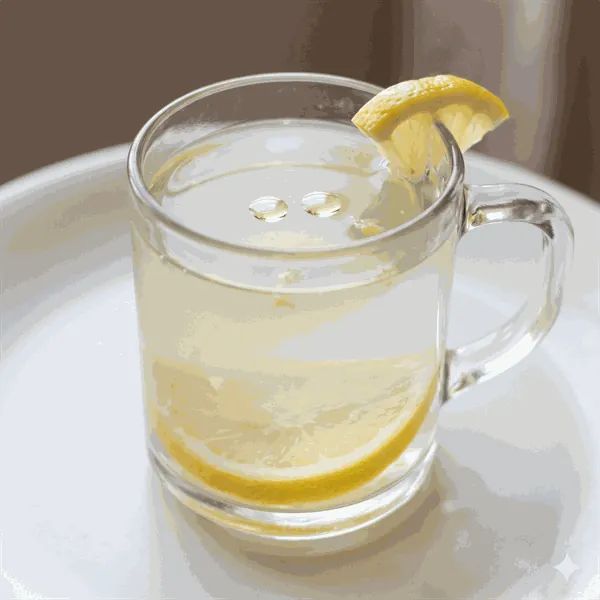
Lemon Oil or Peppermint Oil, 1 to 2 drops food-grade essential oil in warm waterAdd to your warm morning lemon water. Lemon oil is rich in d-limonene. Peppermint oil has eased IBS symptoms in trials, though those trials used enteric-coated capsules, not drops in water12. Use only certified food-grade (GRAS) essential oils, never topical-grade oils internally.
Warm lemon water in a glass mug, with a slice and a wedge of lemon and two drops of food-grade lemon oil

Morning Ritual

Start with 8 to 12 oz (240 to 360 mL) warm water with the juice of half a lemon + 1 to 2 drops food-grade lemon or peppermint oil. This is a gentle, hydrating start to the day. Herbal tea (ginger or chamomile) is also welcome. Licorice root tea is whole licorice, which raises blood pressure and lowers potassium13, so it is not part of this protocol. 1 cup of black coffee is acceptable. No food yet. Breakfast follows at 9:30 to 10:30 AM.

9:30 to 10:30 AM ยท Meal 1, Breakfast
๐Ÿณ Breakfast + Morning Supplement Stack

Your first and largest meal. Fat-soluble vitamins, digestive support, antimicrobials and anti-inflammatory compounds are taken with food. The healthy fats in breakfast drive absorption of D3, K2 and Omega-⁠3s.

๐Ÿ”ฌ
Digestive Enzymes, 1 to 2 capsules (full-spectrum: protease, lipase, amylase)Taken at the very start of the meal. Protease, lipase and amylase are the enzymes that break down protein, fat and starch.
โ˜€๏ธ
Vitamin D3: set the dose with your clinician; most adults need no blood test first14Fat-soluble; fat in the meal helps absorption. Vitamin D has roles in immune function and in controlling inflammation15. Do not go above the 4,000 IU/day upper intake level15 without your clinician and a blood test. Commonly paired with K2.
๐Ÿ’Ž
Vitamin K2 MK-⁠7, 200 to 400 mcgThe MK-⁠7 form of K2 has a longer half-life than vitamin K1. It activates matrix GLA protein; K2 is involved in how the body uses calcium, though supplement benefits for bone and arteries are not established16. Commonly paired with D3. If you take a vitamin K antagonist blood thinner, do not start vitamin K2 without the clinician who manages your anticoagulation, because supplemental vitamin K directly opposes it16.
๐ŸŸ
Omega-⁠3 Fish Oil, 2 to 3 g EPA+DHA combinedAt this dose use fish or algal oil rather than cod liver oil: cod liver oil also provides preformed vitamin A (retinol)17, and at the amount needed for 2 to 3 g of EPA+DHA that vitamin A adds up. High intakes of preformed vitamin A are linked to birth defects in early pregnancy and to lower bone density17. In heart trials, fish oil supplements raised the risk of atrial fibrillation, an irregular heartbeat, more so above 1 g a day18, so check this dose with your clinician first.
๐Ÿง„
Allicin (Garlic Extract), 450 to 900 mgAllicin is antibacterial and antifungal in laboratory studies19; it is used for hydrogen- and methane-producing SIBO without controlled trials behind it. Take with food to minimize GI irritation. Allicin is the active component; look for "allicin yield" on the label, not just alliin content.
๐ŸŒฟ
Berberine, 500 mg (first of 2 to 3 daily doses)Used as an antimicrobial and antifungal in SIBO and Candida protocols. Berberine inhibits CYP3A4 and other enzymes that clear medicines from the body, so it can raise blood levels of many prescription medicines20, and it lowers blood sugar on its own21. Check with your prescriber before starting it, particularly alongside glucose-lowering medication, an anticoagulant, an immunosuppressant or any drug with a narrow safe range. Not for use in pregnancy or breastfeeding22. Berberine has been studied for its effects on blood sugar, cholesterol and body weight22. Take with or just after food to reduce GI discomfort.
๐ŸŒถ๏ธ
Oregano Oil, 100 to 200 mg (enteric-coated capsules)Carvacrol and thymol, the main compounds in oregano oil, are antimicrobial in laboratory studies, partly by damaging bacterial cell membranes23. Enteric-coated capsules bypass the stomach and release directly in the small intestine, where SIBO bacteria reside.
๐ŸŒฑ
Ceylon Cinnamon, 1 to 2 g (powder in food or capsule)True Ceylon cinnamon (not cassia) has antifungal activity against Candida in laboratory studies; whether cinnamon supplements help blood sugar is unclear24. Can be stirred into food or taken as a capsule with a meal.
๐Ÿ’›
Curcumin (Turmeric Extract), 500 to 1,500 mgTaken for its anti-inflammatory effects, though there is not enough evidence to say whether it helps gut conditions25. Liver injury has been reported mainly with high-dose, high-absorption formulations such as those with piperine, so stop and seek advice if you notice dark urine or yellowing skin25. Take with food containing fat.
๐Ÿซ™
Betaine HCl & Pepsin, 2 capsules (500 to 750 mg HCl per capsule)Intended for low stomach acid (hypochlorhydria), a recognized risk factor for SIBO26. Raising the dose until you feel a warming sensation, a method often suggested, is not a validated test of stomach acid. Do not use it with an ulcer, gastritis or active reflux (added acid irritates inflamed tissue) or if you take anti-inflammatory painkillers (NSAIDs, including aspirin) or steroid tablets, which already raise ulcer risk27. Stop if you feel burning or pain. Take at the very start of your protein-containing meal. Do not raise the dose yourself; any change is for your clinician to set.
๐ŸŒŠ
Spirulina, 2 capsules (500 mg each = 1 g total)A blue-green alga rich in protein, vitamins and minerals, and a source of chlorophyll28. Claims that it binds heavy metals or reduces gut inflammation come from laboratory and animal studies. Therapeutic range is 1 to 3 g daily; start with 2 capsules and increase gradually.
๐Ÿ’Š
Zinc Carnosine, 75 to 150 mgIn a small trial in healthy volunteers, zinc carnosine prevented the rise in gut permeability that an anti-inflammatory painkiller caused; the rest of its evidence is laboratory and animal work29.
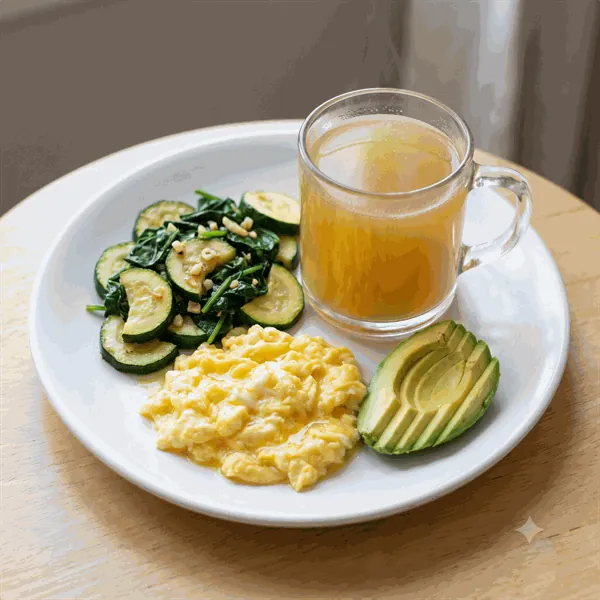
Scrambled eggs with sautรฉed zucchini, spinach, avocado and bone broth

๐Ÿณ Sample Breakfast, Meal 1

3 pastured eggs scrambled in 1 tbsp ghee ยท Sautรฉed zucchini + baby spinach with garlic-infused olive oil ยท 8 oz (240 mL) bone broth (plain, sipped warm) ยท 1/4 avocado ยท Optional: small portion of white rice

Low-FODMAP, anti-Candida, nutrient-dense. Ghee provides fat for fat-soluble vitamin absorption. Bone broth adds warmth and fluid, though its amino acid content varies widely between recipes30. Avocado adds monounsaturated fat and potassium.

12:00 to 1:00 PM ยท Between Meals, Supplements Only (No Food)
โš—๏ธ Midday Probiotic & Liver Support Window

No food in this window. The gap between meals (ideally 4 to 6 hours) gives the Migrating Motor Complex (MMC) time to run; it is thought to sweep undigested material and bacteria out of the small intestine, and eating interrupts it2. Use this window for supplements that work best away from food.

โšก MMC Window: Eating interrupts the MMC, so even a snack between meals cuts the window short2. Protecting this fasting window between your two meals gives the MMC room to work, which is thought to help keep bacteria from building up in the small intestine.
๐Ÿ„
Saccharomyces boulardii, 250 to 500 mg (about 5 to 10 billion CFU)A probiotic yeast (not bacteria). In laboratory studies it secretes compounds that reduce Candida's ability to form filaments, stick to surfaces and build biofilms31. Take it well away from antifungals, which can kill it32; berberine is listed here as antifungal, so take the midday berberine dose at the other end of the window rather than alongside it. Discuss it first if you are immunocompromised or seriously unwell, where live organisms carry real risk32.
๐ŸŒฟ
Peppermint Oil, 0.2 mL (enteric-coated capsules)Eased overall IBS symptoms and abdominal pain in trials12. The capsules are enteric-coated to make heartburn less likely33. Taken between meals so it reaches the small intestine intact, away from food-stimulated acid.
๐ŸŒต
TUDCA (Tauroursodeoxycholic Acid), 250 to 500 mgA bile acid. In a trial in people with chronic hepatitis C, it lowered liver enzymes, but trials with clinical outcomes are lacking34. If you have gallstones, or have never been checked for them, agree on this with your clinician first.
๐ŸŒฟ
Berberine, 500 mg (second dose)Berberine inhibits CYP3A4 and other enzymes that clear medicines from the body, so it can raise blood levels of many prescription medicines20, and it lowers blood sugar on its own21. Check with your prescriber before starting it, particularly alongside glucose-lowering medication, an anticoagulant, an immunosuppressant or any drug with a narrow safe range. Not for use in pregnancy or breastfeeding22. The second daily dose of berberine, taken between meals, spreads the daily amount across the day. Taken without food, this dose is more likely to upset your stomach than the doses taken with meals. Some protocols call for a third 500 mg dose with dinner for intensive SIBO/Candida treatment phases.
๐Ÿšซ No food between meals. If hunger arises, drink filtered water, herbal tea or plain bone broth (broth contains some protein and may interrupt the MMC, so keep it small and avoid caloric snacks entirely).
4:30 to 5:30 PM ยท Meal 2, Dinner
๐ŸŒฟ Dinner + Evening Supplement Stack

Your second and final meal of the day. Evening supplements focus on deep gut lining repair, liver processing, antiparasitic/​antifungal coverage and mineral repletion. Dinner should be your smaller meal, easier to digest before the long overnight fast.

๐Ÿ”ฌ
Digestive Enzymes, 1 to 2 capsules (second dose)Second dose with dinner, taken at the very start of the meal.
๐ŸŒฟ
Milk Thistle (Silymarin), 300 to 600 mgTrials of milk thistle in liver diseases have given conflicting or too limited results35. It is listed with dinner simply for convenience. The idea that the liver has a peak detoxification window between 1 and 3 AM comes from traditional Chinese organ-clock theory and has no basis in liver physiology; hepatic metabolism runs continuously.
๐ŸŒฟ
Neem Extract, 300 to 600 mgHerb with antifungal activity in laboratory studies, including against Candida36; human trials are few. Not for use in pregnancy or while trying to conceive: neem extracts have ended pregnancy in animal studies37. Keep neem away from children; swallowed neem oil has caused seizures in infants and young children38.
๐ŸŒฐ
Black Walnut Extract, 500 to 1,000 mgContains juglone, which is antifungal in laboratory studies39; its use against parasites has not been tested in trials. Often combined with Clove. It does not replace testing and prescribed treatment if a parasite is suspected.
๐ŸŒฐ
Clove Extract, 500 mgContains eugenol, which is antifungal in laboratory studies40. Often paired with Black Walnut.
๐ŸŸค
Copper Bisglycinate, 2 to 4 mgOptional: only if you also take 50 mg of zinc a day or more for weeks, which can block copper absorption; the zinc carnosine here (about 17 to 34 mg of zinc) stays below that41. Copper bisglycinate is a chelated form.
๐ŸŒฟ
Berberine, 500 mg (optional third dose)Berberine inhibits CYP3A4 and other enzymes that clear medicines from the body, so it can raise blood levels of many prescription medicines20, and it lowers blood sugar on its own21. Check with your prescriber before starting it, particularly alongside glucose-lowering medication, an anticoagulant, an immunosuppressant or any drug with a narrow safe range. Not for use in pregnancy or breastfeeding22. For intensive treatment phases (active SIBO or Candida overgrowth), a third 500 mg dose with dinner is sometimes added. Reduce to twice daily once symptoms are improving. Take this dose with food to minimize GI irritation.
๐Ÿซ™
Betaine HCl & Pepsin, 2 capsules (500 to 750 mg HCl per capsule)Second dose with dinner. Especially important if dinner contains animal protein (chicken, fatty fish, red meat). Use the same titration approach as for the breakfast dose.
๐ŸŒŠ
Spirulina, 2 capsules (500 mg each = 1 g total)Second dose with dinner. Spirulina is a nutrient-dense food. The claim that chlorophyll binds and removes toxins is not established in humans, and spirulina is included here for its nutritional content rather than a detoxifying effect. Combines well with Milk Thistle.
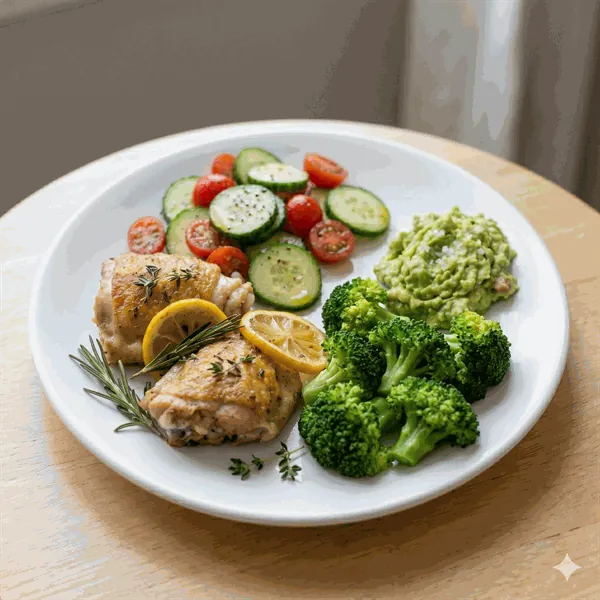
Lemon-herb chicken thighs with broccoli, cucumber-tomato salad and guacamole

๐Ÿ— Sample Dinner, Meal 2

Chicken thighs (skin-on, pastured) baked with herbs + lemon ยท Sliced cucumber + cherry tomato salad with ACV-olive oil dressing ยท Mashed avocado or steamed broccoli (if tolerated) ยท Optional: small portion sweet potato or white rice

ACV dressing adds vinegar, which is antifungal against Candida in laboratory studies5. Chicken provides complete protein for overnight tissue repair. Keep dinner lighter than breakfast to aid digestion before the overnight fast.

9:00 to 10:00 PM ยท Pre-Sleep (Empty Stomach, 3.5+ hrs after dinner)
๐ŸŒ™ Bedtime Healing & MMC Window

The overnight fasting window (ideally 12 to 14 hours: from dinner to next morning's ACV) is the longest stretch in which the MMC runs undisturbed2. Prokinetics are taken on the idea that they support it. These supplements must be taken on a completely empty stomach, well after dinner.

๐Ÿ’Š
Magnesium Glycinate, 300 to 500 mgSome people find it helps them relax at night, though trials of magnesium for sleep are weak and mixed42, and it may gently support bowel regularity. The cornerstone bedtime supplement for most gut patients. The upper intake level for supplemental magnesium is 350 mg/day; above that, diarrhea is common43. With kidney disease, take it only on your clinician's advice44.
๐Ÿ’ง
Magnesium Citrate, 200 to 400 mg (for constipation-dominant presentations)For IBS-C or methane-dominant SIBO patients with sluggish motility. Magnesium salts have moderate trial evidence as a laxative in chronic constipation45. Use glycinate for sleep support and citrate for motility. If you take both, count them together against the upper intake level for supplemental magnesium noted above, and avoid magnesium supplements if you have reduced kidney function, where magnesium accumulates44.
๐Ÿซš
Ginger Root Extract, 500 to 1,000 mg (standardized) OR 5-⁠HTP, 50 to 100 mgChoose your prokinetic: Ginger sped stomach emptying in a small trial in healthy volunteers46; it is used for SIBO, gastroparesis and bloating. 5-⁠HTP (serotonin precursor) is also used for the MMC and for sleep, though neither effect is established in trials. Do not combine 5-⁠HTP with antidepressants (SSRIs, SNRIs, MAOIs), St. John's wort or other medicines that raise serotonin (including some migraine and pain medicines)10. Do not use it in pregnancy11.
๐Ÿ–ค
Activated Charcoal, 1,000 to 2,000 mgBinds many substances in the gut, including medicines47; the idea that it clears die-off byproducts is not established. Critical: Must be taken at least 2 full hours away from all other supplements and medications, because it adsorbs everything; on a charcoal night, take it on its own at least 2 hours after the other pre-sleep supplements and any evening medicines, which on this timeline means about 11 PM or later; if that is past your bedtime, skip it that night. Use it on alternate nights at most, not as a nightly routine.
๐ŸŒ™ Sleep as a healing tool: Aim for at least 7 hours in a dark, cool room48. Sleep is not optional; it is part of the protocol.

Full Day Supplement Summary

Timing WindowSupplementDosePurpose & Notes
Fasted AMAloe Vera Juice2 to 4 oz (60 to 120 mL)Promoted for soothing the gut lining; take first before anything acidic
Fasted AMApple Cider Vinegar (ACV)1 to 2 tbsp in 8 oz (240 mL) waterTraditional digestive aid; antifungal in laboratory studies; sip slowly
Fasted AML-Glutamine5 to 10 g powderA major fuel for gut lining cells; one small trial in IBS after an infection
Fasted AMNAC (N-Acetyl Cysteine)600 to 1,200 mgGlutathione precursor; disrupts biofilms in laboratory studies; allow 30 to 60 min before antimicrobials
Fasted AM5-⁠HTP (Prokinetic)50 mgMorning prokinetic dose, an effect not established in trials; higher dose (50 to 100 mg) at bedtime for sleep
Fasted AMLemon Oil or Peppermint Oil1 to 2 drops food-grade in warm waterAdd to warm lemon water; lemon oil supplies d-limonene; peppermint oil eased IBS symptoms in capsule trials
With BreakfastDigestive Enzymes1 to 2 capsFull-spectrum; take at start of meal
With BreakfastVitamin D3Set the dose with your clinician; most adults need no blood test firstFat-soluble; absorbed better with dietary fat. The adult tolerable upper intake level is 4,000 IU/day; exceed it only under supervision, and retest levels when your clinician advises
With BreakfastVitamin K2 MK-⁠7200 to 400 mcgCommonly paired with D3; not a safeguard against high blood calcium; if you take a blood thinner, clear K2 with the clinician who manages it first
With BreakfastOmega-⁠3 Fish Oil2 to 3 g EPA+DHAAnti-inflammatory; at this dose use fish or algal oil rather than cod liver oil, which also supplies preformed vitamin A. In heart trials, fish oil supplements raised the risk of atrial fibrillation, an irregular heartbeat, more so above 1 g a day18, so check this dose with your clinician first.
With BreakfastAllicin (Garlic Extract)450 to 900 mgAntimicrobial in laboratory studies; used for hydrogen- and methane-producing SIBO; take with food
With BreakfastBerberine500 mg (dose 1 of 2 to 3)Used as an antimicrobial and antifungal in SIBO and Candida protocols; with food reduces GI upset. Berberine interacts with many prescription medicines and lowers blood sugar, so check with your prescriber first; not for use in pregnancy or breastfeeding.
With BreakfastOregano Oil100 to 200 mg enteric-coatedCarvacrol/​thymol; enteric-coated delivers to small intestine
With BreakfastCeylon Cinnamon1 to 2 gAntifungal against Candida in laboratory studies; any effect on blood sugar is unclear; use true Ceylon only
With BreakfastCurcumin500 to 1,500 mgTaken as an anti-inflammatory; liver injury has been reported mainly with high-dose, high-absorption formulations such as those with piperine, so stop and seek advice if you notice dark urine or yellowing skin
With BreakfastBetaine HCl & Pepsin2 capsules (500 to 750 mg HCl each)For low stomach acid; not with an ulcer, gastritis or active reflux; not with NSAID painkillers or steroid tablets; do not raise the dose yourself, and stop if you feel burning or pain
With BreakfastSpirulina2 capsules (500 mg each = 1 g)Nutrient-dense algae; heavy-metal claims come from laboratory and animal studies
With BreakfastZinc Carnosine75 to 150 mgGut lining support; one small human trial
Midday (no food)Saccharomyces boulardii250 to 500 mg (about 5 to 10 billion CFU)Probiotic yeast; reduces Candida virulence in laboratory studies; take away from antifungals. Use caution with immunosuppression or a central line49, as yeast bloodstream infections have been reported32; discuss with your team.
Midday (no food)Peppermint Oil0.2 mL enteric-coatedIBS antispasmodic; taken fasted so it reaches the small intestine
Midday (no food)TUDCA250 to 500 mgBile acid. If you have gallstones, or have never been checked for them, agree on this with your clinician first: gallstones are common and usually silent50, and deliberately stimulating gallbladder contraction when stones are present can trigger biliary colic or block a bile duct.
Midday (no food)Berberine500 mg (dose 2)Spreads the daily amount across the day; it interacts with many prescription medicines, so check with your prescriber first
With DinnerDigestive Enzymes1 to 2 capsSecond dose; take at start of meal
With DinnerMilk Thistle (Silymarin)300 to 600 mgLiver support, unproven in trials; taken with the evening meal
With DinnerNeem Extract300 to 600 mgAntifungal in laboratory studies; not for use in pregnancy or while trying to conceive
With DinnerBlack Walnut Extract500 to 1,000 mgAntifungal in laboratory studies; antiparasitic use untested
With DinnerClove Extract500 mgAntifungal in laboratory studies; pairs with Black Walnut
With DinnerCopper Bisglycinate2 to 4 mgWorth considering with high zinc intakes (50 mg a day or more for weeks); take with evening meal
With DinnerBerberine (optional)500 mg (dose 3)For intensive treatment phases; reduce to twice daily when improving. Berberine interacts with many prescription medicines and lowers blood sugar, so check with your prescriber first; not for use in pregnancy or breastfeeding.
With DinnerBetaine HCl & Pepsin2 capsules (500 to 750 mg HCl each)Second dose; especially important if dinner contains animal protein
With DinnerSpirulina2 capsules (500 mg each = 1 g)Second dose; taken with dinner; pairs with Milk Thistle
Pre-SleepMagnesium Glycinate300 to 500 mgMost important bedtime supplement on this page. The top of this range is above the 350 mg/day upper intake level for supplemental magnesium; above that, diarrhea is common. With kidney disease, take it only on your clinician's advice.
Pre-SleepMagnesium Citrate200 to 400 mgFor IBS-C / constipation-dominant SIBO; osmotic motility support. The top of this range is above the 350 mg/day upper intake level for supplemental magnesium; above that, diarrhea is common. With kidney disease, take it only on your clinician's advice.
Pre-SleepGinger Root OR 5-⁠HTP500 to 1,000 mg / 50 to 100 mgProkinetic: ginger sped stomach emptying in a small trial; do not use 5-⁠HTP with antidepressants (SSRIs, SNRIs, MAOIs), St. John's wort or other medicines that raise serotonin, or in pregnancy11
Pre-SleepActivated Charcoal1,000 to 2,000 mgOvernight binder; take on its own, 2+ hrs after the other pre-sleep supplements and any medicines

Important Principles & Notes

Two Meals Only, No Snacking

The Migrating Motor Complex (MMC) runs only during fasting, and eating, snacks included, interrupts it2. A 4- to 6-⁠hour gap between two meals leaves room for the MMC, which is thought to help keep bacteria from building up in the small intestine.

Start Low, Go Slow

Don't begin all 30 supplements on day 1. Introduce 2 to 3 at a time over 1 to 2 weeks. This narrows down which one causes a reaction. Begin with gut lining repair (L-Glutamine, Aloe, ACV, Digestive Enzymes), then add antimicrobials last.

If You Feel Worse

Feeling worse after starting a supplement is most often a side effect of the supplement itself, such as nausea, loose stools or headache. As the note at the top of this page explains, it is not evidence the protocol is working. Stop the newest addition and speak to your clinician, and seek care promptly if symptoms are severe.

Charcoal on Alternate Nights

If you use activated charcoal, keep it to alternate nights at most; it can cause constipation, especially without adequate hydration and fiber51, and repeated doses have blocked the bowel52.

Keep Vitamin D3 Within Its Limit

Doses above the 4,000 IU/day upper intake level are therapeutic rather than maintenance dosing and belong with a clinician. Dosing limits: the adult tolerable upper intake level is 4,000 IU/day15. The Endocrine Society's 2024 guideline found no clear evidence for an optimal target level14; the National Academies (formerly the Institute of Medicine) set sufficiency at 20 ng/mL (50 nmol/L)15. Any dose above 4,000 IU/day needs a blood test and a clinician, not a self-directed dose. Vitamin K2 MK-⁠7 (200 to 400 mcg) is commonly paired with vitamin D, but it is not a safeguard against the high blood calcium that too much vitamin D can cause; keeping the dose within limits is. If you take a blood thinner, clear any vitamin K supplement with the clinician managing it before you start or stop: vitamin K interferes with some anticoagulant medicines16, and changing your intake can destabilize your monitoring results.

This Is a 3 to 6 Month Journey

Gut healing is not linear. The gut lining renews every 4 to 5 days53. Black Walnut and Clove should be used in 3- to 6-⁠week cycles, not indefinitely. Work with a practitioner to retest and adjust.

Lifestyle Is Half the Protocol

No supplement stack can outrun a sedentary lifestyle, chronic stress or poor sleep. The four pillars below are not optional additions; they are core components of any successful gut healing journey.

๐Ÿƒ

Daily Movement & Exercise

Exercise changes the gut microbiota: in previously inactive adults, six weeks of supervised endurance training shifted its makeup, and the changes largely reversed once training stopped54.

  • Minimum: 150 minutes of moderate activity a week, such as 30 minutes on 5 days (walking, cycling, yoga, swimming)55
  • Strength training: at least 2 days a week55
  • Go easy: Hard exercise can itself strain the gut, especially in the heat56, so build up gradually while you are starting new supplements
  • Best time: Morning or midday; a walk after a meal sped stomach emptying in a small study57, and walking after eating lowers the rise in blood sugar58
๐Ÿšถ Walk after every meal. A gentle walk of 10 to 15 minutes after both breakfast and dinner can ease post-meal bloating59 and help regulate blood sugar after eating58. It is one of the simplest habits on this page.
๐Ÿง 

Stress & Anxiety Management

Stress and the gut affect each other. The gut-brain axis runs both ways: stress can change gut motility and sensitivity, and it often makes gut symptoms worse.

  • Vagus nerve: The vagus nerve connects brain to gut. Slow breathing is a simple way to shift toward rest-and-digest60; claims that humming, gargling or cold exposure reduce gut inflammation are not established
  • Identify stressors: Relationship stress, financial pressure and work overload are common sources; address root causes, not just symptoms
  • Adaptogens: Ashwagandha, Rhodiola and Holy Basil are sometimes used for stress, with limited evidence. Ashwagandha has been linked to liver injury, is not recommended with a thyroid disorder and is not for use in pregnancy or breastfeeding61
๐ŸŒฌ๏ธ

Breathwork & Meditation

Slow breathing is a simple way to activate the parasympathetic nervous system60, shifting the body from fight-or-flight (which halts digestion) into rest-and-digest mode (which restores it). Practice daily; even 5 minutes is a useful start.

  • 4-⁠7-⁠8 Breathing: Inhale 4 sec ยท Hold 7 sec ยท Exhale 8 sec, repeat 4 cycles before meals as a slow-breathing practice
  • Box Breathing: Inhale 4 ยท Hold 4 ยท Exhale 4 ยท Hold 4, another slow-breathing pattern; slow breathing has been linked to less anxiety in studies60
  • Diaphragmatic breathing: Belly breathing (not chest), a way to slow the breath
  • Meditation: 10 to 20 minutes of mindfulness daily, with or without an app. In trials in IBS, mindfulness programs eased pain and improved quality of life62
  • Timing: Practice breathwork before each meal and before bed to maximize digestive and sleep benefits
๐ŸŒ™

Sleep Optimization

Sleep matters for the gut as much as for the rest of the body. In people with IBS, a poor night's sleep predicted more gut symptoms the next day63, and no supplement makes up for it.

  • Target: at least 7 hours per night in a cool, completely dark room48
  • Consistent schedule: Same bedtime and wake time daily, even on weekends48
  • No food 3 hours before bed: The CDC advises avoiding large meals before bedtime48; keep the overnight fast as long as possible (12 to 14 hours)
  • Screen curfew: Turn off screens at least 30 minutes before bed48; evening room light suppresses melatonin64, so switch to dim, warm lighting
  • Magnesium Glycinate + Ginger or 5-⁠HTP (already in the pre-sleep protocol) are taken to support sleep and gut motility overnight, though trials for sleep are weak and mixed42
๐ŸŒฟ The four pillars: Supplements address the biochemistry. Diet addresses the fuel. But exercise, stress management, breathwork and sleep address the nervous system, without which no supplement or diet change can fully hold. Healing requires all four pillars working together.

This Is a Template: Your Plan Needs Precision

The right protocol for you depends on your specific condition, lab results, medication interactions and symptom picture. This template is a starting point; adapt the supplements, doses and sequencing to your case with a qualified practitioner.

References & Evidence Notes

Each numbered entry below is either a source you can follow or a note setting out what the evidence does and does not support. Both are numbered together so the markers in the text line up.

Last reviewed October 20, 2026. This page is nutrition education, not medical advice, and it does not replace your doctor. Most of the supplements on this page rest on laboratory work or small trials, and several interact with prescription medicines. Clear the whole list with your clinician before you start, especially if you take any medicine, are pregnant or breastfeeding, or have kidney or liver disease.

  1. Butler T. The Jarisch-Herxheimer Reaction After Antibiotic Treatment of Spirochetal Infections: A Review of Recent Cases and Our Understanding of Pathogenesis. Am J Trop Med Hyg. 2017;96(1):46-⁠52. PubMed 28077740. A review of the reaction: within 24 hours of antibiotic treatment for syphilis, Lyme disease, leptospirosis or relapsing fever, all of them spirochetal infections, patients have shaking chills, a rise in temperature and worse rashes, which settle a few hours later. ↩
  2. Deloose E, et al. The migrating motor complex: control mechanisms and its role in health and disease. Nat Rev Gastroenterol Hepatol. 2012;9(5):271-⁠285. PubMed 22450306. The migrating motor complex is a repeating pattern of contractions in the stomach and small bowel that occurs during fasting and is interrupted by eating. Its role is incompletely understood, but its absence has been linked to gastroparesis, intestinal pseudo-obstruction and small intestinal bacterial overgrowth. ↩
  3. On bleeding risk. A review of supplements that may interfere with blood clotting covers garlic, ginger and fish oil among others; serious bleeding has been linked to them only in occasional case reports, and there are too few controlled studies to show a consistent effect (Stanger MJ, et al., Nutr Rev, 2012, PubMed 22300597). The National Center for Complementary and Integrative Health notes that garlic supplements may increase the risk of bleeding, which matters before surgery and for anyone taking medicines that affect bleeding (nccih.nih.gov). The NIH Office of Dietary Supplements notes that 2 to 15 g a day of EPA and DHA might increase bleeding time by reducing platelet aggregation (ods.od.nih.gov). A review reports that curcumin inhibits platelet activation and aggregation (Hussain Y, et al., Biomedicines, 2022, PubMed 36551934), and in laboratory tests eugenol and acetyl eugenol from clove oil inhibited platelet aggregation (Srivastava KC, Prostaglandins Leukot Essent Fatty Acids, 1993, PubMed 8321872). ↩
  4. National Center for Complementary and Integrative Health. Aloe Vera. Last updated February 2025. nccih.nih.gov. There is not enough reliable information to say whether aloe helps irritable bowel syndrome or ulcerative colitis; aloe latex taken by mouth can cause abdominal pain, cramps and diarrhea; and aloe taken by mouth may be unsafe in pregnancy and while breastfeeding. ↩
  5. Mota AC, et al. Antifungal Activity of Apple Cider Vinegar on Candida Species Involved in Denture Stomatitis. J Prosthodont. 2015;24(4):296-⁠302. PubMed 25219289. A laboratory study: apple cider vinegar inhibited and killed Candida strains from people with denture-related mouth infection and reduced their adherence to denture resin. It did not test drinking vinegar. ↩
  6. Kim MH, Kim H. The Roles of Glutamine in the Intestine and Its Implication in Intestinal Diseases. Int J Mol Sci. 2017;18(5):1051. PubMed 28498331. A review: glutamine, the most abundant free amino acid in the body, is a major substrate used by the cells of the intestine. ↩
  7. Zhou Q, et al. Randomised placebo-controlled trial of dietary glutamine supplements for postinfectious irritable bowel syndrome. Gut. 2019;68(6):996-⁠1002. PubMed 30108163. In 106 adults who developed diarrhea-predominant IBS with a leaky gut barrier after a gut infection, 5 g of glutamine three times a day for 8 weeks met the main symptom goal in 79.6% against 5.8% on placebo and brought gut permeability back to normal. The authors call for large trials to confirm it. ↩
  8. Dinicola S, et al. N-acetylcysteine as powerful molecule to destroy bacterial biofilms. A systematic review. Eur Rev Med Pharmacol Sci. 2014;18(19):2942-⁠2948. PubMed 25339490. Eight studies of infections at sites such as the vagina, in which NAC given with antibiotics helped them reach the deepest layers of bacterial biofilms. None concerned the gut. ↩
  9. Banskota S, et al. Serotonin in the gut: Blessing or a curse. Biochimie. 2019;161:56-⁠64. PubMed 29909048. A review estimating that about 95% of the body's serotonin is found in the gut (mainly in its enterochromaffin cells) and about 5% in the brain. ↩
  10. On 5-⁠HTP and serotonin. 5-⁠HTP is the immediate precursor of serotonin, and a review of it discusses its toxicity and its place in serotonin syndrome (Maffei ME, Int J Mol Sci, 2020, PubMed 33375373). A review of serotonin toxicity found that most cases involve two substances that raise serotonin in different ways, and that the most concerning combinations involve the antidepressant classes known as MAOIs, SSRIs and SNRIs (Foong AL, et al., Can Fam Physician, 2018, PubMed 30315014). ↩
  11. Health Canada. Natural Health Products Ingredients Database monograph: 5-⁠Hydroxytryptophan. August 28, 2024. webprod.hc-sc.gc.ca. The Canadian labeling standard for 5-⁠HTP products: ask a health care practitioner before use if you are pregnant or breastfeeding, do not use it for weight management in pregnancy, and do not use it if you are taking antidepressants. This page goes further and advises against 5-⁠HTP in pregnancy for any purpose. ↩
  12. Alammar N, et al. The impact of peppermint oil on the irritable bowel syndrome: a meta-analysis of the pooled clinical data. BMC Complement Altern Med. 2019;19(1):21. PubMed 30654773. Twelve randomized trials with 835 adults with IBS: peppermint oil made overall symptom improvement 2.39 times as likely as placebo across seven trials and improved abdominal pain, with side effects no more frequent than on placebo. ↩
  13. Yoshino T, Makino T. Clinical risk factors of licorice-induced pseudohyperaldosteronism: a 2026-⁠updated narrative review. Front Pharmacol. 2026;17:1840515. PubMed 42292819. Licorice root commonly causes low blood potassium and high blood pressure through its glycyrrhizin; the daily amount is the main risk factor, though some people react to small amounts. ↩
  14. Demay MB, et al. Vitamin D for the Prevention of Disease: An Endocrine Society Clinical Practice Guideline. J Clin Endocrinol Metab. 2024;109(8):1907-⁠1947. PubMed 38828931. For people without an established reason for vitamin D treatment or testing, the guideline suggests against routine blood tests for vitamin D, and it found no clear evidence defining the optimal blood level for preventing disease. ↩
  15. Office of Dietary Supplements, National Institutes of Health. Vitamin D: Fact Sheet for Health Professionals. Updated June 27, 2025. ods.od.nih.gov. Fat in the gut helps vitamin D absorption, though some is absorbed without it; vitamin D has roles in immune function and the control of inflammation; the upper intake level is 4,000 IU a day from age 9; and the National Academies' Food and Nutrition Board states that blood levels of 20 ng/mL (50 nmol/L) or more are sufficient for most people. ↩
  16. Office of Dietary Supplements, National Institutes of Health. Vitamin K: Fact Sheet for Health Professionals. Updated March 29, 2021. ods.od.nih.gov. MK-⁠7 supplements are well absorbed and MK-⁠7 has a longer half-life than vitamin K1; matrix Gla protein might help reduce abnormal calcification, a hypothesis based largely on animal data; it is unclear whether any form of vitamin K supplement reduces the risk of osteoporosis; and some anticoagulants work by opposing vitamin K, so people taking them need a consistent vitamin K intake. ↩
  17. On cod liver oil and vitamin A. The NIH Office of Dietary Supplements notes that cod liver oil supplements provide vitamin A and vitamin D as well as omega-⁠3s (ods.od.nih.gov), and that total intakes of preformed vitamin A above the upper limit can cause birth defects, so women who are or might be pregnant are advised not to take more than 3,000 mcg RAE a day from supplements (ods.od.nih.gov). In a Swedish study of women, higher retinol intake was linked to lower bone mineral density, and an intake above 1.5 mg a day, against one below 0.5 mg, to double the risk of hip fracture (Melhus H, et al., Ann Intern Med, 1998, PubMed 9841582). ↩
  18. Gencer B, Djousse L, Al-Ramady OT, Cook NR, Manson JE, Albert CM. Effect of long-term marine omega-⁠3 fatty acids supplementation on the risk of atrial fibrillation in randomized controlled trials of cardiovascular outcomes: a systematic review and meta-analysis. Circulation. 2021;144(25):1981-⁠1990. PubMed 34612056. Seven trials with 81,210 people followed for about 5 years: omega-⁠3 supplements were linked to a higher risk of atrial fibrillation (hazard ratio 1.25), more so in trials of more than 1 g a day (1.49), and the risk rose with each additional gram. ↩
  19. Ankri S, Mirelman D. Antimicrobial properties of allicin from garlic. Microbes Infect. 1999;1(2):125-⁠129. PubMed 10594976. A review of laboratory work: pure allicin is active against a wide range of bacteria, against fungi, particularly Candida albicans, and against some intestinal parasites. ↩
  20. Guo Y, et al. Repeated administration of berberine inhibits cytochromes P450 in humans. Eur J Clin Pharmacol. 2012;68(2):213-⁠217. PubMed 21870106. In healthy men, two weeks of berberine, 300 mg three times a day, reduced the activity of three enzymes that clear many medicines, CYP2D6, CYP2C9 and CYP3A4, and raised blood levels of a test medicine cleared by CYP3A4 by about 40%. ↩
  21. Yin J, Xing H, Ye J. Efficacy of berberine in patients with type 2 diabetes mellitus. Metabolism. 2008;57(5):712-⁠717. PubMed 18442638. Two small 3-⁠month pilot trials in adults with type 2 diabetes: berberine, 0.5 g three times a day, lowered fasting and after-meal blood sugar and HbA1c, and about a third of participants had passing digestive side effects. ↩
  22. National Center for Complementary and Integrative Health. Goldenseal. Last updated February 2025. nccih.nih.gov. Berberine, the substance in goldenseal, has been studied for its effects on blood sugar, cholesterol and body weight; goldenseal may change the way the body processes many medicines; and women who are pregnant or breastfeeding should not use it, because its berberine can be harmful to newborns. ↩
  23. Soltani S, et al. A Review of the Phytochemistry and Antimicrobial Properties of Origanum vulgare L. and Subspecies. Iran J Pharm Res. 2021;20(2):268-⁠285. PubMed 34567161. Oregano essential oil is high in thymol and carvacrol and is active against bacteria and Candida albicans; its antibacterial mechanisms include damage to the cell membrane. The evidence is mostly laboratory work. ↩
  24. On cinnamon. In a laboratory study, essential oil of Ceylon cinnamon (Cinnamomum zeylanicum) was the most active of 15 essential oils against Candida auris, a yeast that resists many medicines (Di Vito M, et al., Microbiol Spectr, 2023, PubMed 36975835). The National Center for Complementary and Integrative Health notes that it is unclear whether cinnamon supplements help diabetes (nccih.nih.gov). ↩
  25. On curcumin. In seven Italian cases of acute hepatitis linked to turmeric supplements, every case involved a high-bioavailability, high-dose formulation; a systematic review found 23 further published cases (Lombardi N, et al., Br J Clin Pharmacol, 2021, PubMed 32656820). The National Center for Complementary and Integrative Health notes that liver damage has been reported with curcumin products made to be better absorbed, that combining curcumin with piperine is one way of doing that, that anyone with signs of liver damage such as dark urine or jaundice should stop at once, and that there is not enough evidence to say whether curcumin helps conditions beyond the few it lists (nccih.nih.gov). ↩
  26. Efremova I, et al. Epidemiology of small intestinal bacterial overgrowth. World J Gastroenterol. 2023;29(22):3400-⁠3421. PubMed 37389240. The review names slowed movement through the small intestine, reduced stomach acid and backflow through the ileocecal valve as the main causes of SIBO. ↩
  27. On ulcer risk. The NHS names regular use of anti-inflammatory painkillers (NSAIDs) as one of the two main causes of stomach ulcers (nhs.uk). A meta-analysis of 159 placebo-controlled trials found that steroids taken by mouth or injection raised the risk of bleeding or perforation in the stomach or gut by about 40%, a rise that was significant in hospitalized patients (Narum S, et al., BMJ Open, 2014, PubMed 24833682). ↩
  28. Ibrahim MEE, et al. Spirulina as a sustainable functional ingredient: nutrient density, bioactives, and food applications. Front Nutr. 2026;13:1810841. PubMed 42063958. A review: spirulina is rich in protein, vitamins and minerals and contains chlorophyll, the evidence of health benefit is preclinical or limited, and it can be contaminated with heavy metals depending on how it is produced. ↩
  29. Mahmood A, et al. Zinc carnosine, a health food supplement that stabilises small bowel integrity and stimulates gut repair processes. Gut. 2007;56(2):168-⁠175. PubMed 16777920. In a crossover trial in 10 healthy volunteers, five days of an anti-inflammatory painkiller tripled gut permeability on placebo, while no significant rise was seen when zinc carnosine (37.5 mg twice daily) was taken alongside it; the rest of the paper is laboratory and animal work, and one author had presented data on the product to US regulators. ↩
  30. Alcock RD, Shaw GC, Burke LM. Bone Broth Unlikely to Provide Reliable Concentrations of Collagen Precursors Compared With Supplemental Sources of Collagen Used in Collagen Research. Int J Sport Nutr Exerc Metab. 2019;29(3):265-⁠272. PubMed 29893587. Bone broths made to a standard recipe held significantly less glycine, proline and other collagen building blocks than a 20 g dose of a collagen supplement, and broths made to other recipes varied widely. ↩
  31. Murzyn A, et al. Capric acid secreted by S. boulardii inhibits C. albicans filamentous growth, adhesion and biofilm formation. PLoS One. 2010;5(8):e12050. PubMed 20706577. A laboratory study: an extract of S. boulardii culture, and capric acid, the main active compound it secretes, reduced Candida albicans filament formation, adhesion and biofilm formation. ↩
  32. On S. boulardii and bloodstream infection. In seven people in intensive care, two of them premature babies, yeast bloodstream infections were traced to probiotics containing S. boulardii, and the yeast was susceptible to every antifungal medicine tested (Roy U, et al., Mycoses, 2017, PubMed 28133894). An outbreak of three cases in one intensive care unit was traced to the same kind of probiotic, and a review of 57 further cases advised reassessing such probiotics, particularly in people who are immunosuppressed or critically ill (Muรฑoz P, et al., Clin Infect Dis, 2005, PubMed 15889360). ↩
  33. National Center for Complementary and Integrative Health. Peppermint Oil. Last updated May 2025. nccih.nih.gov. A small amount of research suggests that peppermint oil in enteric-coated capsules may improve IBS symptoms in adults; capsules are often enteric-coated to reduce the likelihood of heartburn; and possible side effects include heartburn, nausea, abdominal pain and dry mouth. ↩
  34. Crosignani A, et al. Tauroursodeoxycholic acid for the treatment of HCV-related chronic hepatitis: a multicenter placebo-controlled study. Hepatogastroenterology. 1998;45(23):1624-⁠1629. PubMed 9840118. In 150 people with chronic hepatitis C, six months of TUDCA lowered liver enzyme levels compared with placebo; the authors called for long-term studies with clinically relevant outcomes. ↩
  35. National Center for Complementary and Integrative Health. Milk Thistle. Last updated February 2025. nccih.nih.gov. Trials of milk thistle in liver diseases, including alcohol-related liver disease, hepatitis B and C and fatty liver disease, have been conflicting or too limited to allow conclusions, and two trials funded by the Center, in hepatitis C and in fatty liver disease, showed no benefit from silymarin. ↩
  36. Mahmoud DA, et al. Antifungal activity of different neem leaf extracts and the nimonol against some important human pathogens. Braz J Microbiol. 2011;42(3):1007-⁠1016. PubMed 24031718. A laboratory study: extracts of neem leaves inhibited the growth of Candida albicans and several molds, more strongly at higher concentrations. ↩
  37. Patil SM, et al. Azadirachta indica A. Juss (neem) as a contraceptive: An evidence-based review on its pharmacological efficiency. Phytomedicine. 2021;88:153596. PubMed 34092456. A review of 27 studies, almost all in animals, of the antifertility, contraceptive and pregnancy-ending effects of neem; clinical studies in people are lacking. ↩
  38. Lai SM, Lim KW, Cheng HK. Margosa oil poisoning as a cause of toxic encephalopathy. Singapore Med J. 1990;31(5):463-⁠465. PubMed 2259944. Neem seed oil, sometimes given by mouth to babies as a traditional remedy, causes toxic encephalopathy with vomiting, drowsiness and repeated seizures, particularly in infants and young children; deaths and lasting neurological harm have been reported. The paper describes two infants. ↩
  39. Obeidat RS, Darmani H. Juglone suppresses morphogenesis and early biofilm formation in Candida albicans through disruption of oxidative homeostasis. Med Mycol. 2026;64(5):myag045. PubMed 42104968. A laboratory study: juglone, a compound from walnut trees, inhibited the growth of Candida albicans and its early biofilm formation. ↩
  40. Pinto E, et al. Antifungal activity of the clove essential oil from Syzygium aromaticum on Candida, Aspergillus and dermatophyte species. J Med Microbiol. 2009;58(Pt 11):1454-⁠1462. PubMed 19589904. A laboratory study: clove oil (85% eugenol) and eugenol itself inhibited every Candida, Aspergillus and dermatophyte strain tested, by damaging the fungal cell membrane. ↩
  41. Office of Dietary Supplements, National Institutes of Health. Zinc: Fact Sheet for Health Professionals. Updated January 6, 2026. ods.od.nih.gov. Doses of 50 mg of zinc or more over a period of weeks can inhibit copper absorption. ↩
  42. Mah J, Pitre T. Oral magnesium supplementation for insomnia in older adults: a Systematic Review & Meta-Analysis. BMC Complement Med Ther. 2021;21(1):125. PubMed 33865376. Three small trials in 151 older adults: people taking magnesium fell asleep about 17 minutes sooner than on placebo, but the trials were at moderate to high risk of bias and the evidence was of low to very low quality. ↩
  43. Office of Dietary Supplements, National Institutes of Health. Magnesium: Fact Sheet for Health Professionals. Updated January 6, 2026. ods.od.nih.gov. The upper intake level for supplemental magnesium is 350 mg a day for adults, and high doses from supplements or medicines can cause diarrhea, nausea and abdominal cramping. ↩
  44. Cunningham J, Rodrรญguez M, Messa P. Magnesium in chronic kidney disease Stages 3 and 4 and in dialysis patients. Clin Kidney J. 2012;5(Suppl 1):i39-⁠i51. PubMed 26069820. The kidneys keep blood magnesium in balance, and that ability fails as kidney function declines: high blood magnesium develops frequently in advanced kidney disease. ↩
  45. Rao SSC, Brenner DM. Efficacy and Safety of Over-the-Counter Therapies for Chronic Constipation: An Updated Systematic Review. Am J Gastroenterol. 2021;116(6):1156-⁠1181. PubMed 33767108. Forty-one trials of over-the-counter products for chronic constipation: the review found moderate evidence for magnesium salts. ↩
  46. Wu KL, et al. Effects of ginger on gastric emptying and motility in healthy humans. Eur J Gastroenterol Hepatol. 2008;20(5):436-⁠440. PubMed 18403946. In 24 healthy volunteers, 1,200 mg of ginger halved the time the stomach took to empty half of a soup meal (from about 27 to 13 minutes) and increased stomach contractions; it did not change symptoms. ↩
  47. Chyka PA, et al. Position paper: Single-dose activated charcoal. Clin Toxicol (Phila). 2005;43(2):61-⁠87. PubMed 15822758. The position of two toxicology societies on charcoal in poisoning: in volunteer studies, charcoal taken 30 minutes after a substance cut its absorption by about half, and the effect fell the longer the delay. ↩
  48. Centers for Disease Control and Prevention. About Sleep. May 15, 2024. cdc.gov. Adults aged 18 to 60 need 7 or more hours of sleep a night, 7 to 9 hours at 61 to 64 and 7 to 8 hours from 65; good habits include going to bed and getting up at the same time every day, a quiet, relaxing and cool bedroom, turning off electronic devices at least 30 minutes before bed and avoiding large meals before bed. ↩
  49. On S. boulardii and central lines. All four people in a report of S. boulardii bloodstream infection had a catheter in a vein; yeast spread into the air, onto surfaces and onto hands when a packet was opened, so the authors suspected the catheters were contaminated and advised opening packets or capsules with gloves, outside the patient's room (Hennequin C, et al., Eur J Clin Microbiol Infect Dis, 2000, PubMed 10706174). In a review of 10 cases of Saccharomyces bloodstream infection, 7 people had a central venous line and 6 had been prescribed a probiotic containing S. boulardii, and half died (Poncelet A, et al., Infect Dis Now, 2021, PubMed 33934809). ↩
  50. National Institute of Diabetes and Digestive and Kidney Diseases. Definition & Facts for Gallstones. Last reviewed November 2017. niddk.nih.gov. Gallstones affect 10 to 15% of people in the US; most cause no blockage and no pain, and a gallstone that blocks a bile duct can cause sudden pain called biliary colic. ↩
  51. Sato RL, et al. Adverse effects of superactivated charcoal administered to healthy volunteers. Hawaii Med J. 2002;61(11):251-⁠253. PubMed 12516788. In a randomized study in healthy adults, 12 of 24 given a single 75 g dose of charcoal had constipation or abdominal fullness, against none of 24 who had no charcoal. ↩
  52. Mauro LS, Nawarskas JJ, Mauro VF. Misadventures with activated charcoal and recommendations for safe use. Ann Pharmacother. 1994;28(7-⁠8):915-⁠924. PubMed 7949514. A review of serious harms from activated charcoal in poisoning care: blockage of the bowel has occurred when repeated doses were given. ↩
  53. van der Flier LG, Clevers H. Stem cells, self-renewal, and differentiation in the intestinal epithelium. Annu Rev Physiol. 2009;71:241-⁠260. PubMed 18808327. A review: the single layer of cells lining the intestine is renewed every 4 to 5 days. ↩
  54. Allen JM, et al. Exercise Alters Gut Microbiota Composition and Function in Lean and Obese Humans. Med Sci Sports Exerc. 2018;50(4):747-⁠757. PubMed 29166320. In 32 previously inactive adults, six weeks of supervised endurance exercise changed the makeup and output of the gut microbiota, differently in lean and obese people, and the changes largely reversed once exercise stopped. ↩
  55. Centers for Disease Control and Prevention. Adult Activity: An Overview. December 20, 2023. cdc.gov. Adults need at least 150 minutes of moderate-intensity activity a week, such as 30 minutes a day on 5 days, and 2 days of muscle-strengthening activity each week. ↩
  56. Chantler S, et al. The Effects of Exercise on Indirect Markers of Gut Damage and Permeability: A Systematic Review and Meta-analysis. Sports Med. 2021;51(1):113-⁠124. PubMed 33201454. Thirty-four studies in healthy people: a single bout of exercise raised markers of gut damage and gut permeability, and gut damage was greater in hot conditions. ↩
  57. Franke A, et al. Postprandial walking but not consumption of alcoholic digestifs or espresso accelerates gastric emptying in healthy volunteers. J Gastrointestin Liver Dis. 2008;17(1):27-⁠31. PubMed 18392240. In 10 healthy men, a slow walk after a meal made the stomach empty faster, while after-dinner spirits and espresso did not; symptoms did not change. ↩
  58. Engeroff T, Groneberg DA, Wilke J. After Dinner Rest a While, After Supper Walk a Mile? A Systematic Review with Meta-analysis on the Acute Postprandial Glycemic Response to Exercise Before and After Meal Ingestion in Healthy Subjects and Patients with Impaired Glucose Tolerance. Sports Med. 2023;53(4):849-⁠869. PubMed 36715875. Eight small crossover trials in 116 people: exercise, mostly walking, after a meal lowered the rise in blood sugar compared with resting or exercising before the meal, and the sooner after eating the better. ↩
  59. Hosseini-Asl MK, Taherifard E, Mousavi MR. The effect of a short-term physical activity after meals on gastrointestinal symptoms in individuals with functional abdominal bloating: a randomized clinical trial. Gastroenterol Hepatol Bed Bench. 2021;14(1):59-⁠66. PubMed 33868611. In 94 adults with bloating, a 10- to 15-⁠minute walk after each meal for 4 weeks eased gut symptoms, and relieved fullness and bloating after meals more than the comparison medicines did. ↩
  60. Zaccaro A, et al. How Breath-Control Can Change Your Life: A Systematic Review on Psycho-Physiological Correlates of Slow Breathing. Front Hum Neurosci. 2018;12:353. PubMed 30245619. Fifteen studies in healthy people: breathing slower than 10 breaths a minute increased heart rate variability, a sign of parasympathetic (rest-and-digest) activity, and was linked to more relaxation and less anxiety. ↩
  61. National Center for Complementary and Integrative Health. Ashwagandha. Last updated March 2023. nccih.nih.gov. A number of cases, though rare, link liver injury to ashwagandha supplements; it should be avoided in pregnancy and should not be used while breastfeeding; it is not recommended for people with thyroid disorders; and it may interact with thyroid hormone medicines. ↩
  62. Baboศ™ CI, Leucuศ›a DC, Dumitraศ™cu DL. Meditation and Irritable Bowel Syndrome, a Systematic Review and Meta-Analysis. J Clin Med. 2022;11(21):6516. PubMed 36362745. Six randomized trials in adults with IBS: mindfulness improved quality of life and lowered pain scores, while the improvement in overall symptom scores fell just short of statistical significance. ↩
  63. Topan R, et al. Poor Subjective Sleep Quality Predicts Symptoms in Irritable Bowel Syndrome Using the Experience Sampling Method. Am J Gastroenterol. 2024;119(1):155-⁠164. PubMed 37737676. In 80 people with IBS followed for a week, a poor night's sleep, as they rated it, predicted more abdominal pain and lower gut symptoms the next day, but not the other way round. ↩
  64. Gooley JJ, et al. Exposure to room light before bedtime suppresses melatonin onset and shortens melatonin duration in humans. J Clin Endocrinol Metab. 2011;96(3):E463-⁠E472. PubMed 21193540. In 116 healthy young adults, ordinary room light in the hours before bed suppressed melatonin and shortened its nightly release by about 90 minutes compared with dim light. ↩