Conditions Library
Each guide covers causes, symptoms, treatment options, diet, supplements and what to expect, with the research behind them cited.
Browse by Category
Cancer
Breast, cervical, ovarian, uterine and vaginal or vulvar cancer are listed under Hormonal & Women's Health.
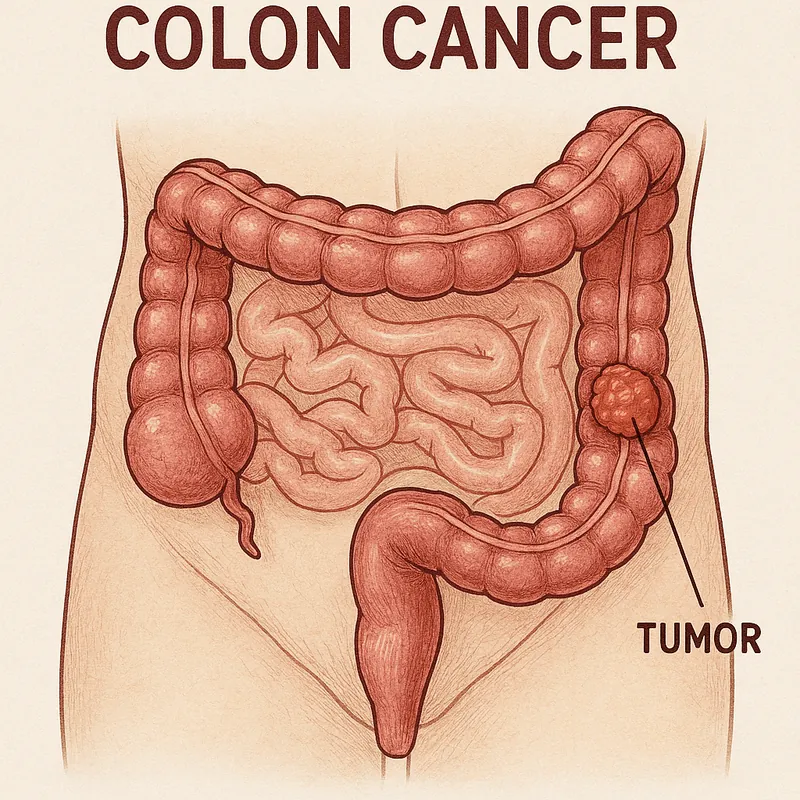
Colon Cancer
Colorectal cancer risk is linked to factors you can change, such as diet, weight, alcohol, smoking and inactivity, and screening saves lives.
Explore →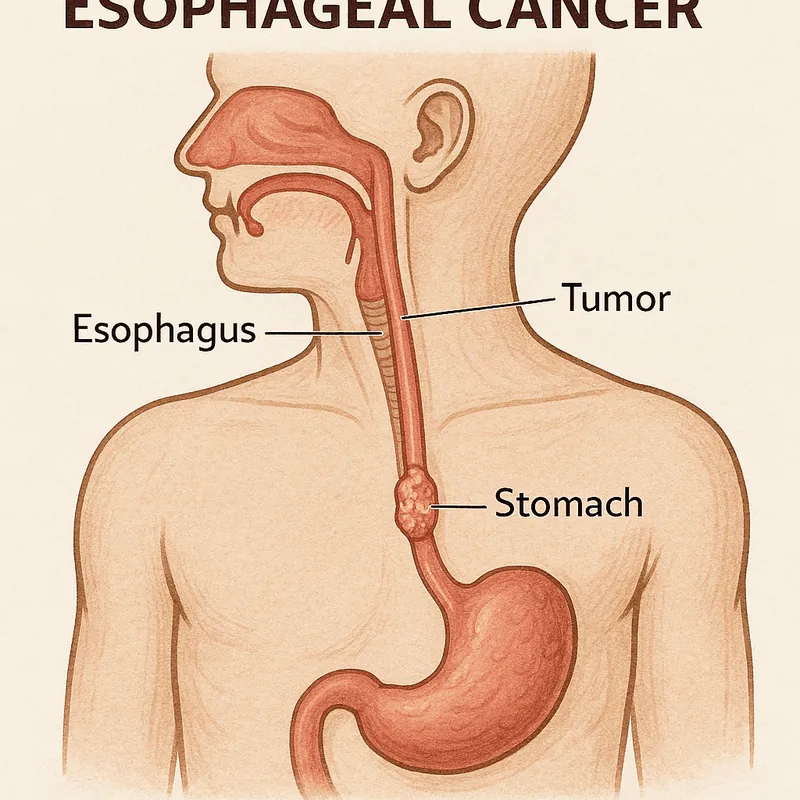
Esophageal Cancer
Adenocarcinoma linked to chronic GERD; squamous cell linked to alcohol/tobacco. Address reflux.
Explore →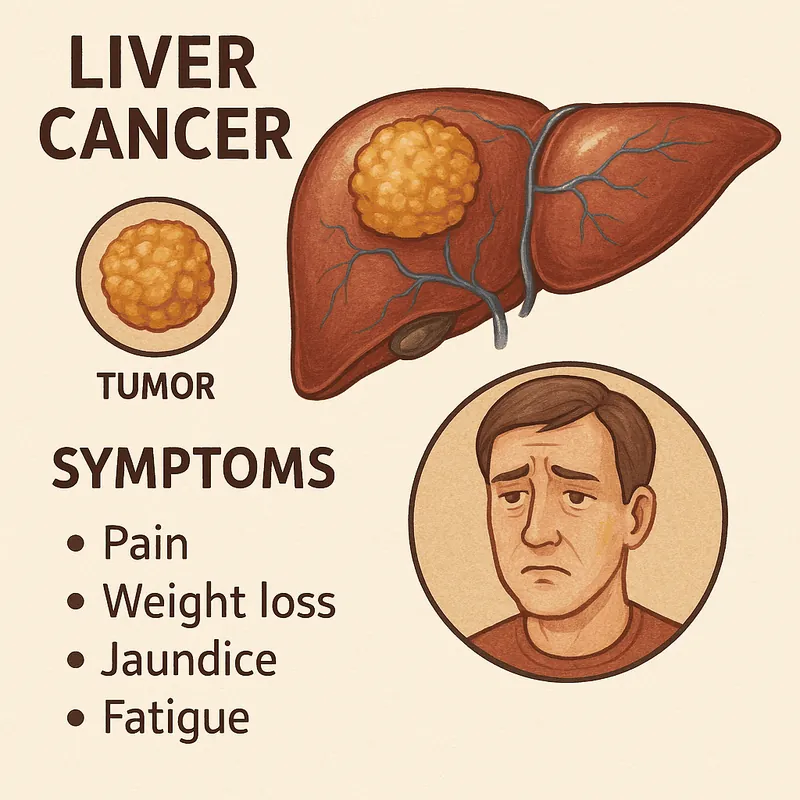
Liver Cancer
Develops most often on a background of cirrhosis, hepatitis B/C or NAFLD. Prevention is liver care.
Explore →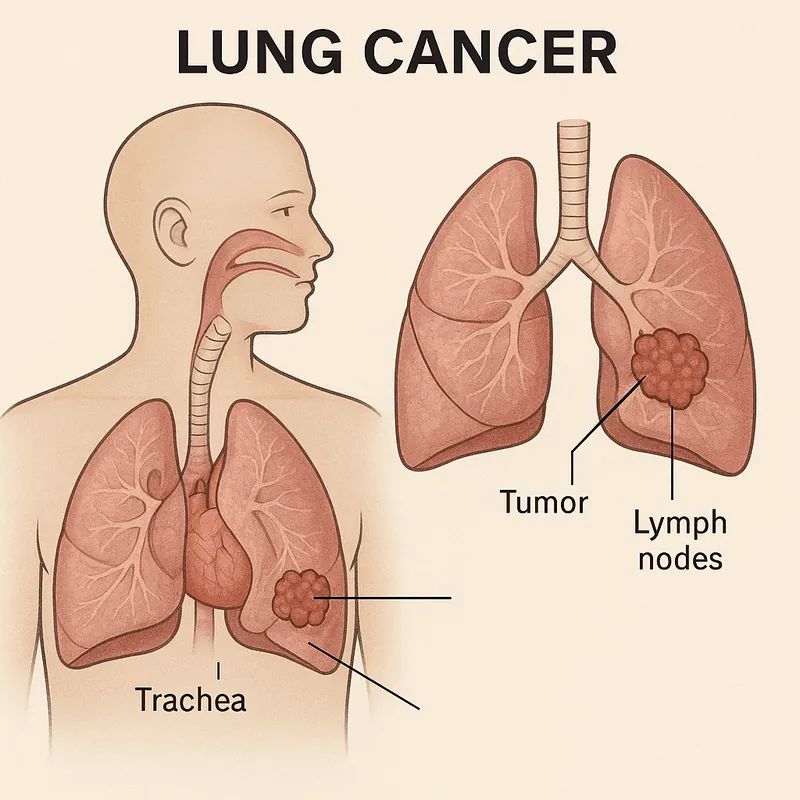
Lung Cancer
Leading cause of cancer death globally. Smoking is the main cause, and not smoking is the best prevention.
Explore →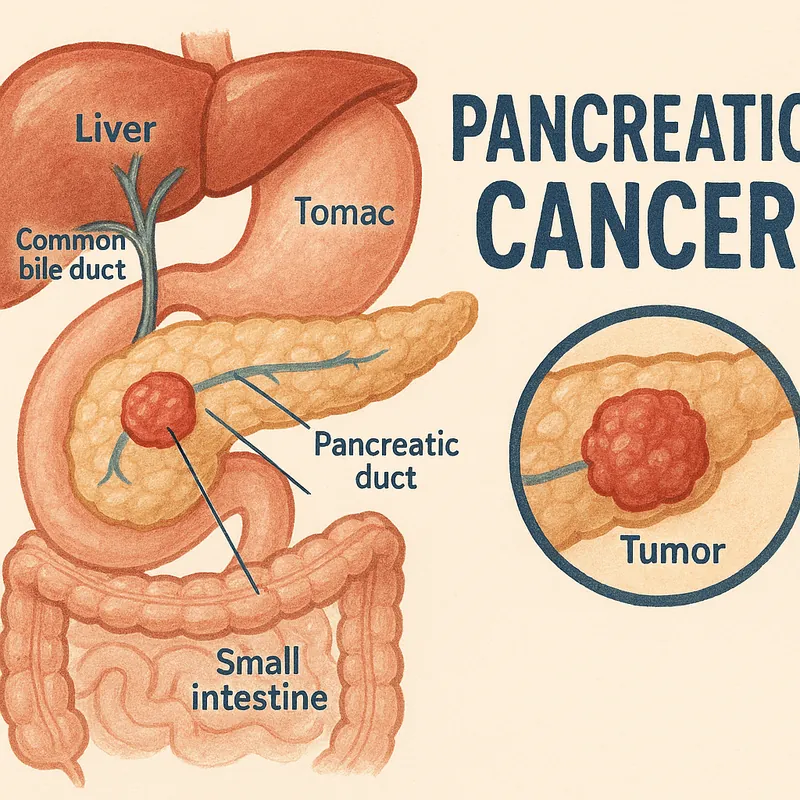
Pancreatic Cancer
Aggressive, often late-diagnosed cancer. Risk factors: smoking, diabetes, chronic pancreatitis, obesity.
Explore →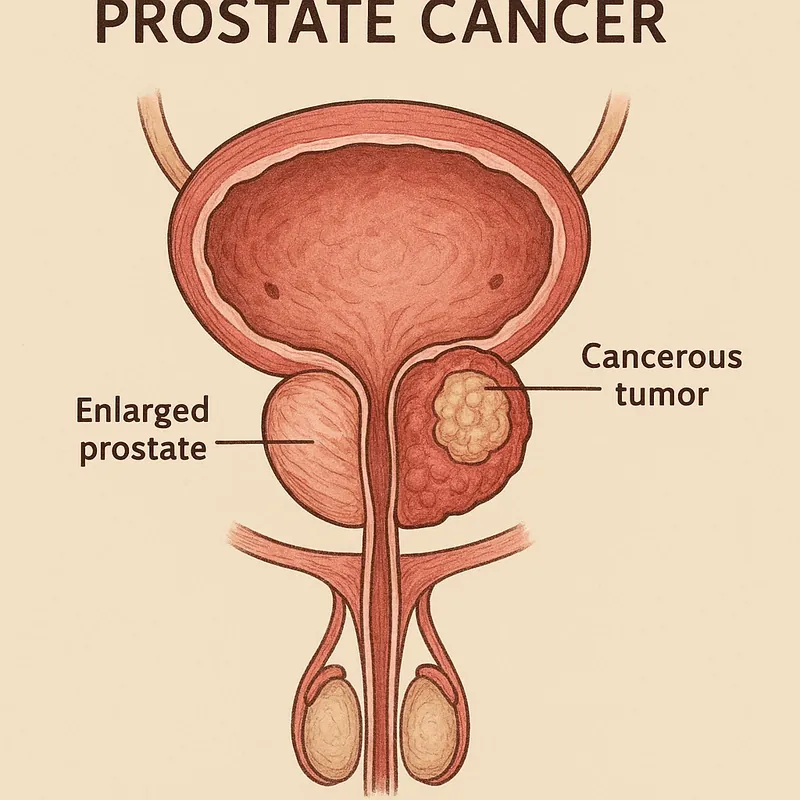
Prostate Cancer
Most common cancer in men. Often slow-growing. Tomato-rich foods are associated with lower risk in observational studies; omega-3 supplements are not established as safe.
Explore →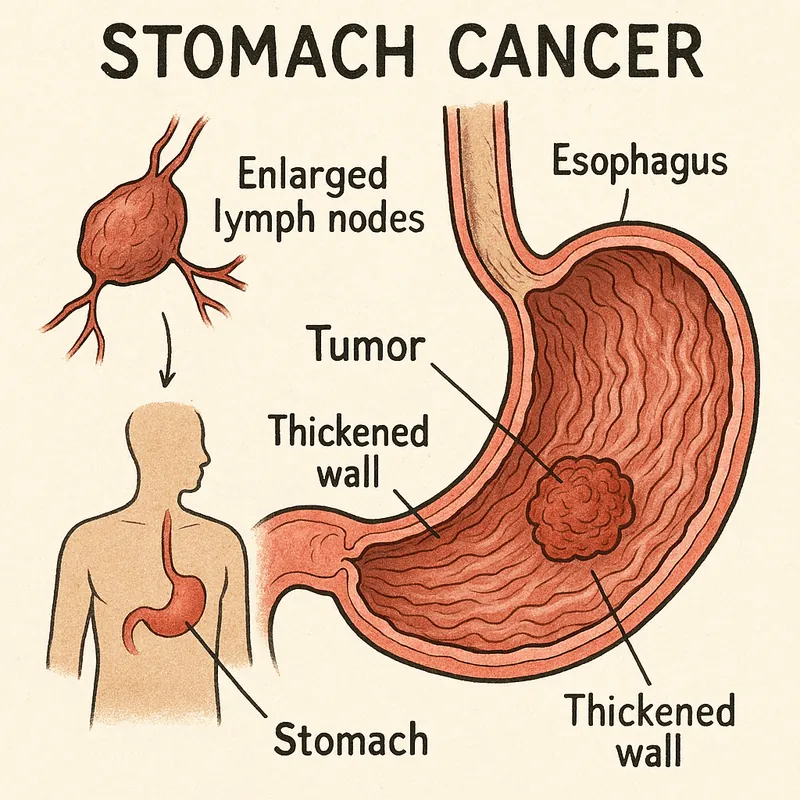
Stomach Cancer
Closely linked to H. pylori infection, chronic gastritis, smoked/salted foods and low vegetable intake.
Explore →Cardiovascular & Metabolic
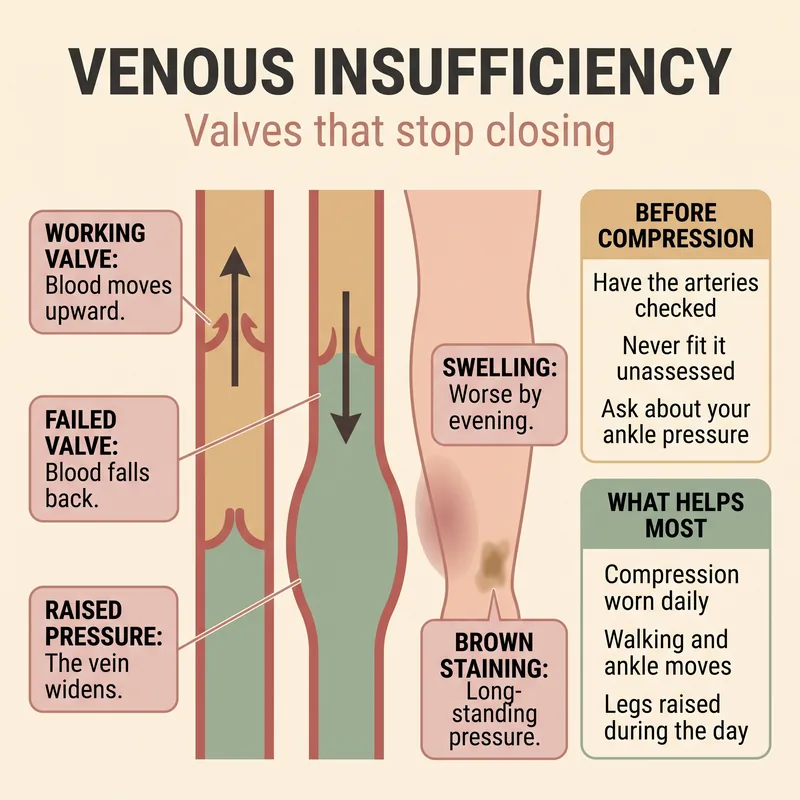
Chronic Venous Insufficiency
Failed valves let blood pool and the pressure damages the skin. Compression is the treatment, and the arteries must be checked before any stocking goes on.
Explore →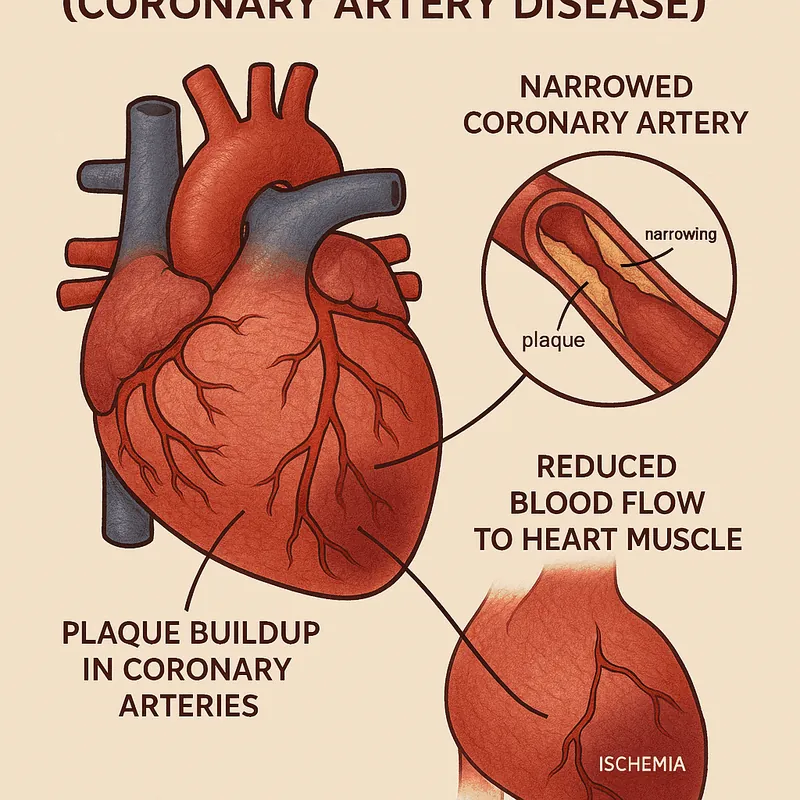
Coronary Artery Disease
#1 killer of adults worldwide. Atherosclerotic plaque restricts blood flow to heart muscle.
Explore →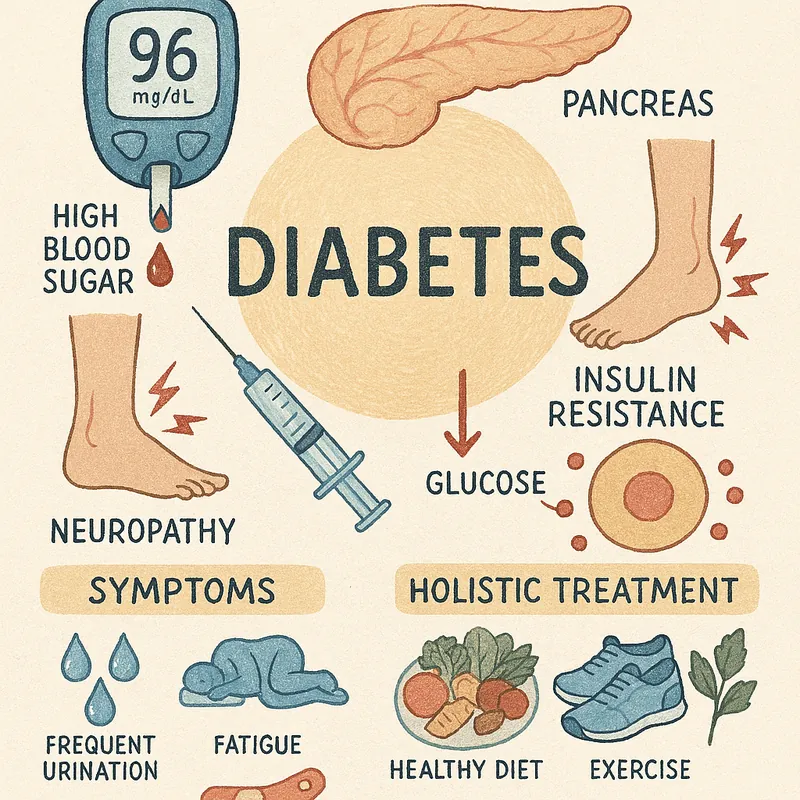
Diabetes
Type 2 is a disease of insulin resistance. Up to 86% remission among those who lost 33 lb (15 kg) or more (DiRECT trial).
Explore →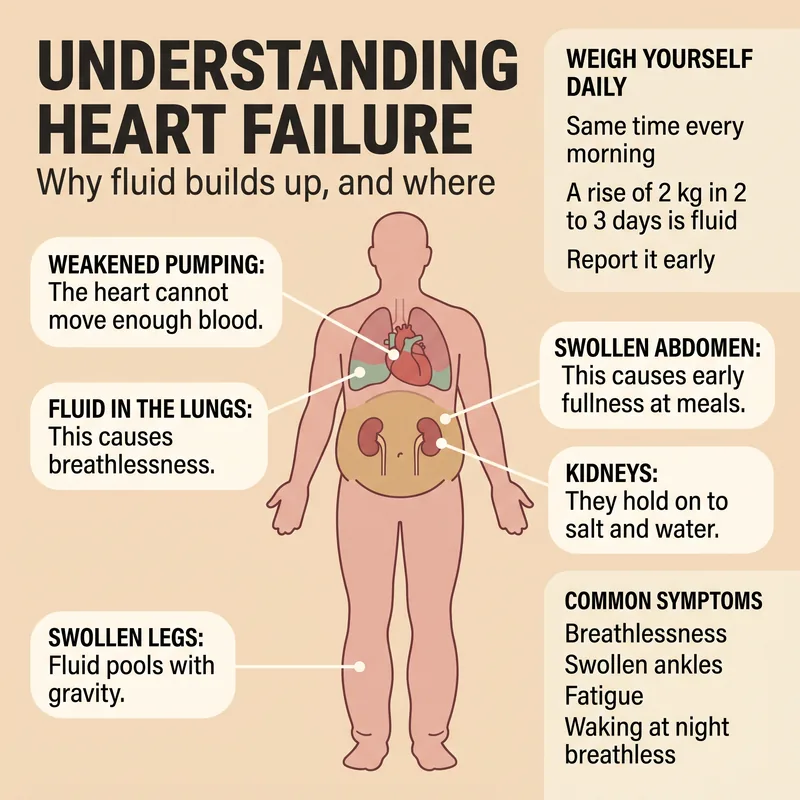
Heart Failure
The biggest sodium trial did not reduce admissions or deaths. And losing weight here is a warning sign, not progress.
Explore →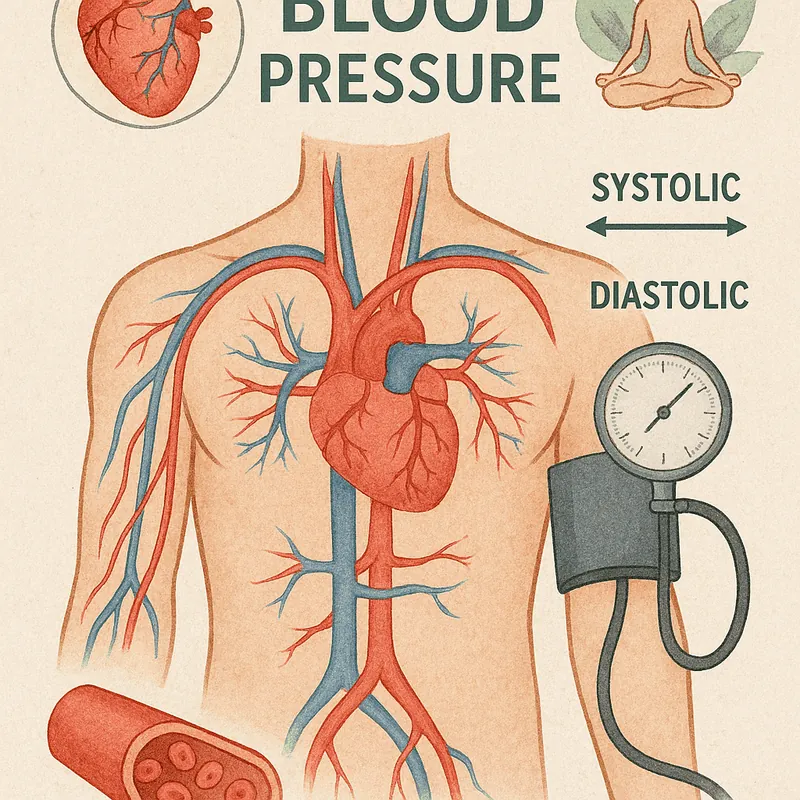
High Blood Pressure
The "silent killer." The DASH diet lowers systolic pressure by about 11 mmHg in people with hypertension, alongside medication rather than instead of it.
Explore →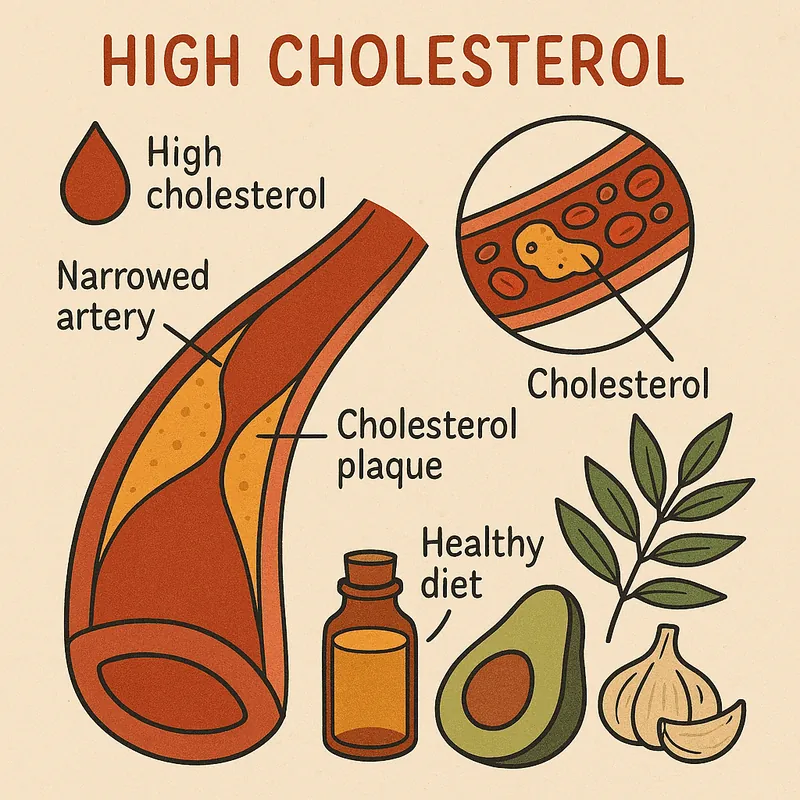
High Cholesterol
Excess LDL particles are the core cause of atherosclerosis. Diet can lower LDL, alongside medication where it is needed.
Explore →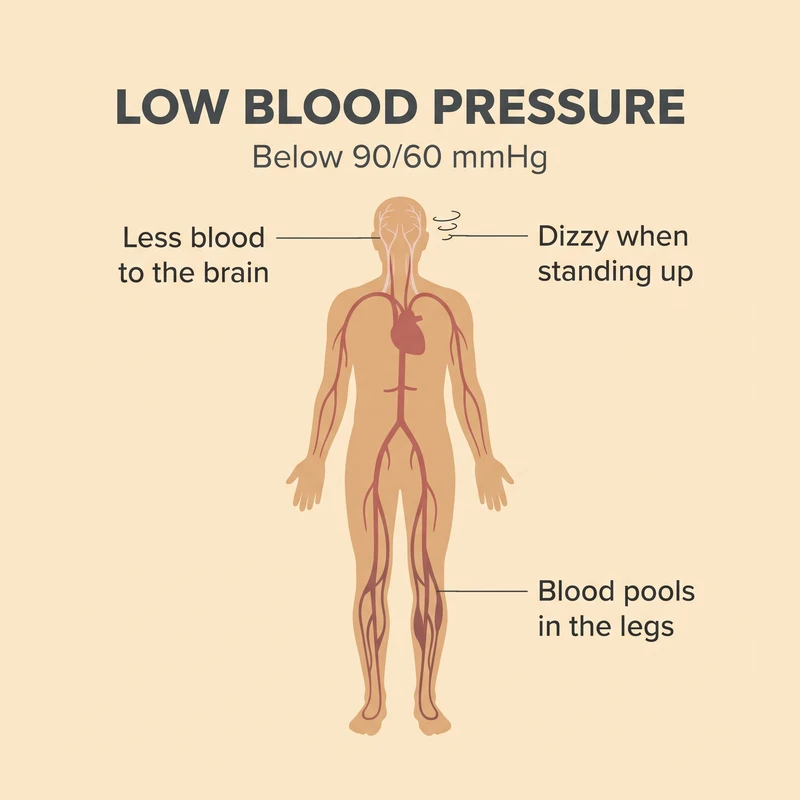
Low Blood Pressure
Hypotension: dizziness, fainting and fatigue, most often from medicines, dehydration or a problem with the nerves that control blood pressure.
Explore →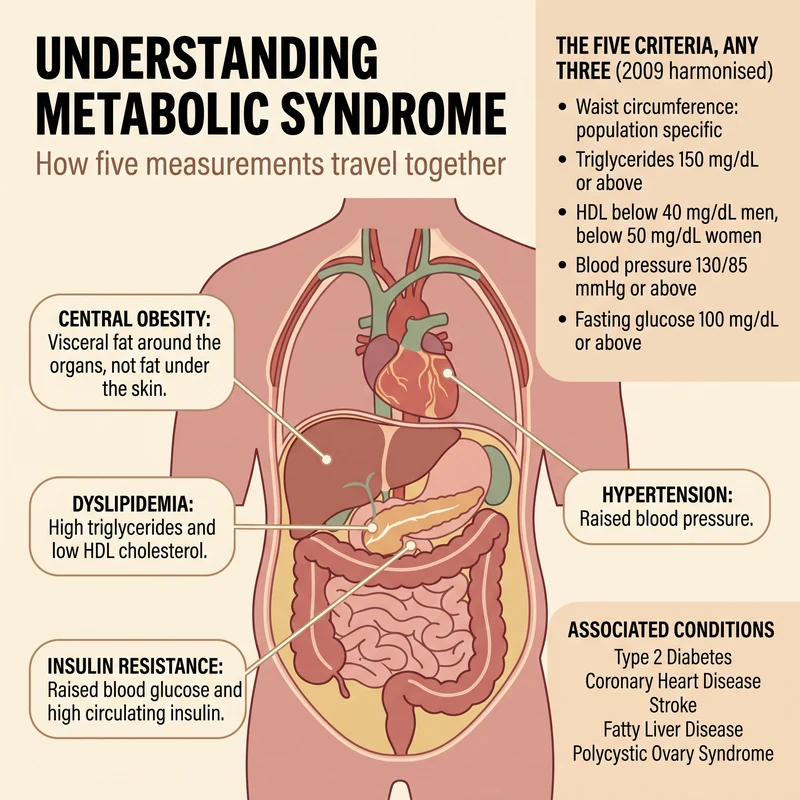
Metabolic Syndrome
A cluster of five measurements that travel together. One dietary pattern tends to move several of them at once, which treating each number separately does not.
Explore →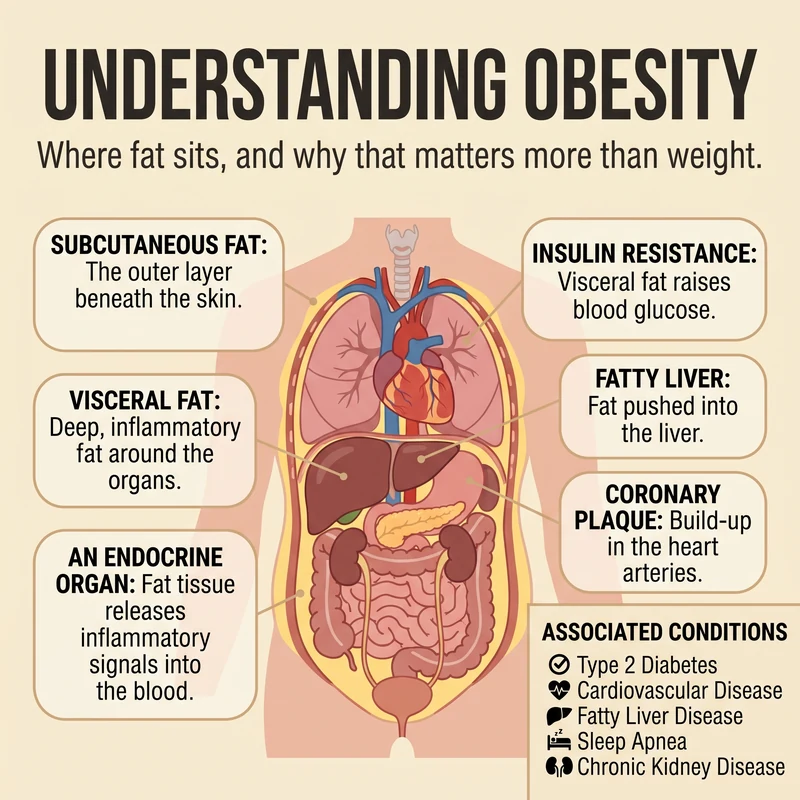
Obesity
A chronic condition in which body weight is biologically defended. Diet quality, sleep and activity do more than any supplement, and none of it is a matter of willpower.
Explore →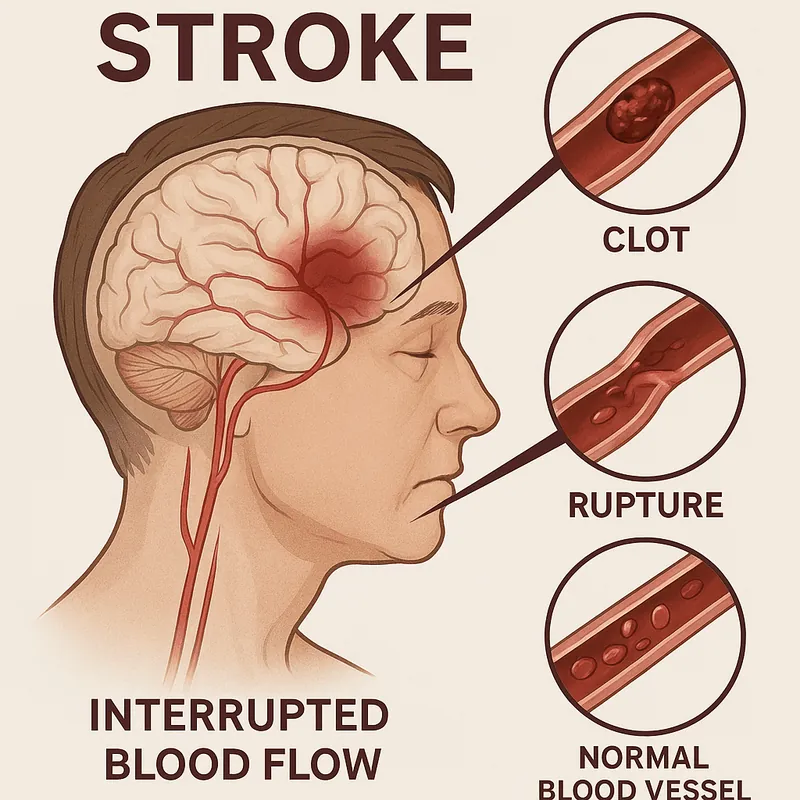
Stroke
A medical emergency from a blocked or burst blood vessel in the brain: call 911. Long-term prevention: blood pressure, glucose, lipids, inflammation.
Explore →Children's Health
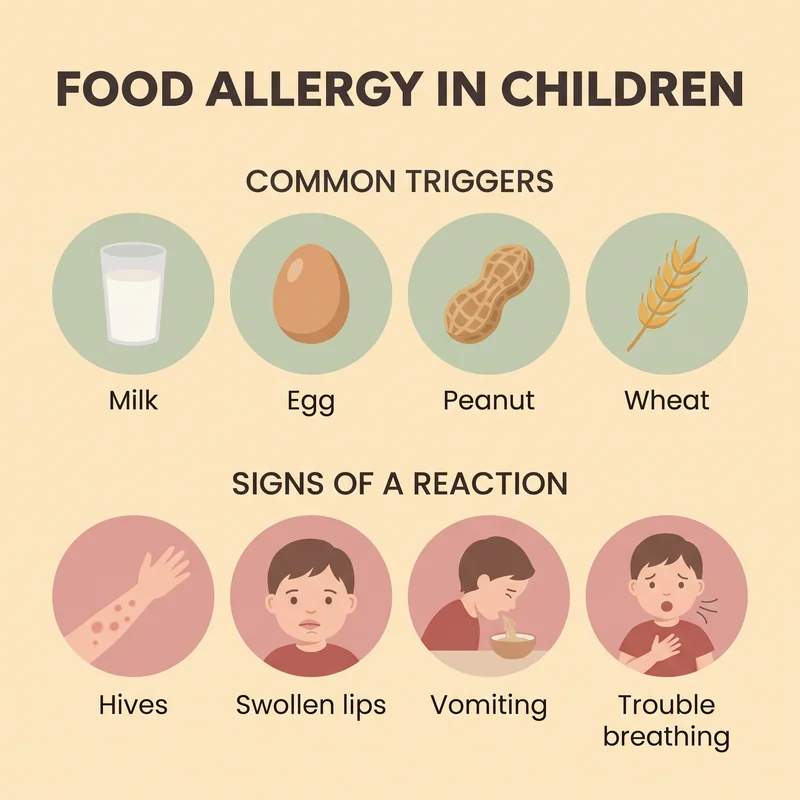
Food Allergy in Babies and Children
Milk, egg and peanut lead. Early peanut and egg can prevent allergy. Many children outgrow milk allergy, and plant drinks are not formula.
Explore →Eye & Vision
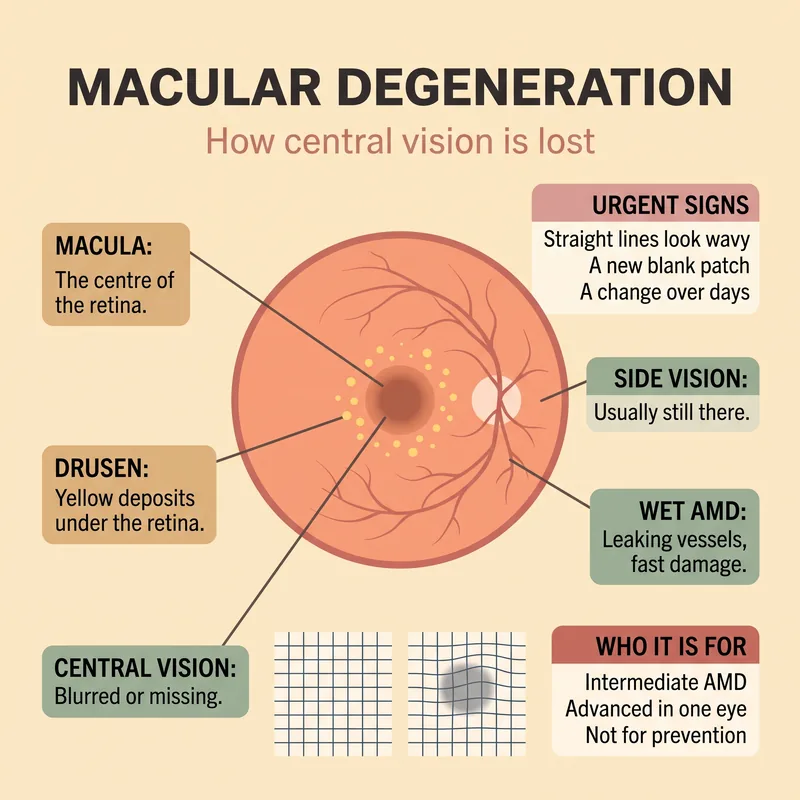
Macular Degeneration
One of the strongest supplement evidence bases in medicine, and one of the most misapplied. The formula slows intermediate AMD from turning into late AMD, including in the second eye when one eye has late AMD, and prevents nothing in an eye without AMD.
Explore →Gut & Digestive
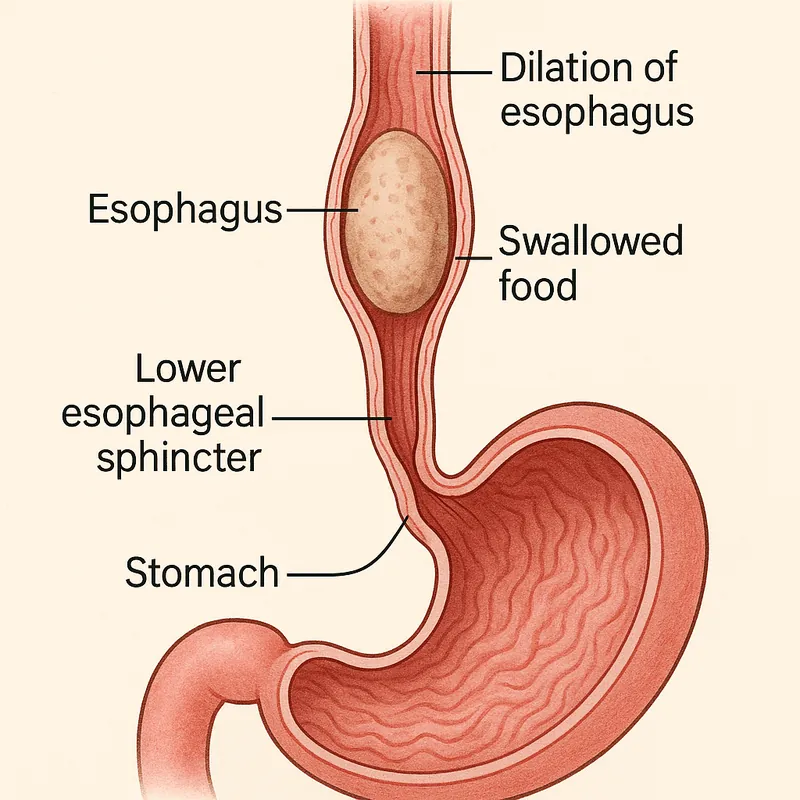
Achalasia
Rare esophageal motility disorder where the lower esophageal sphincter fails to relax.
Explore →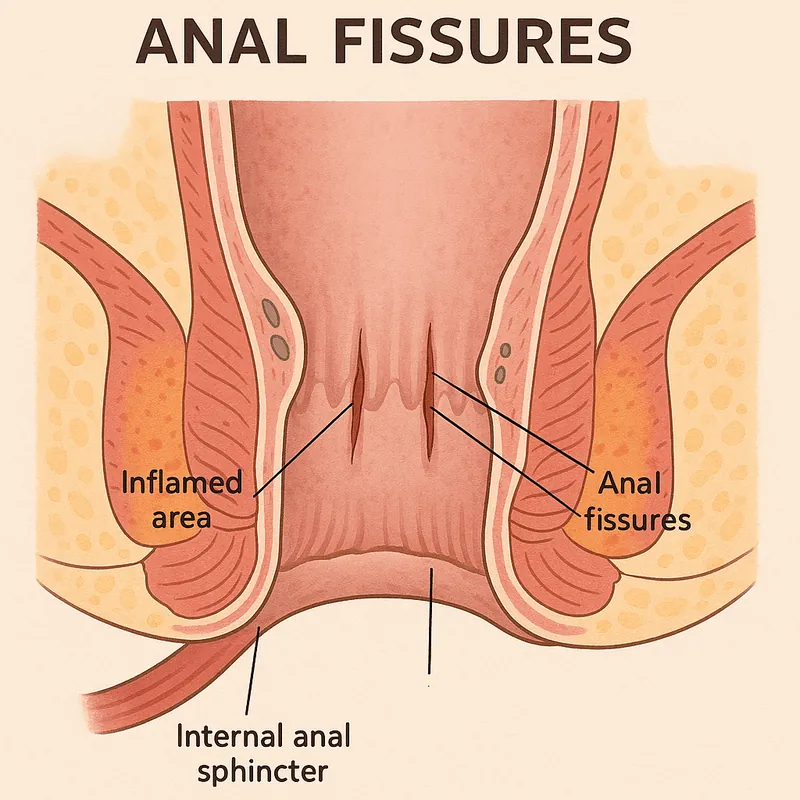
Anal Fissures
Small tears in the anal canal from hard stool. Fiber, magnesium and sitz baths heal most.
Explore →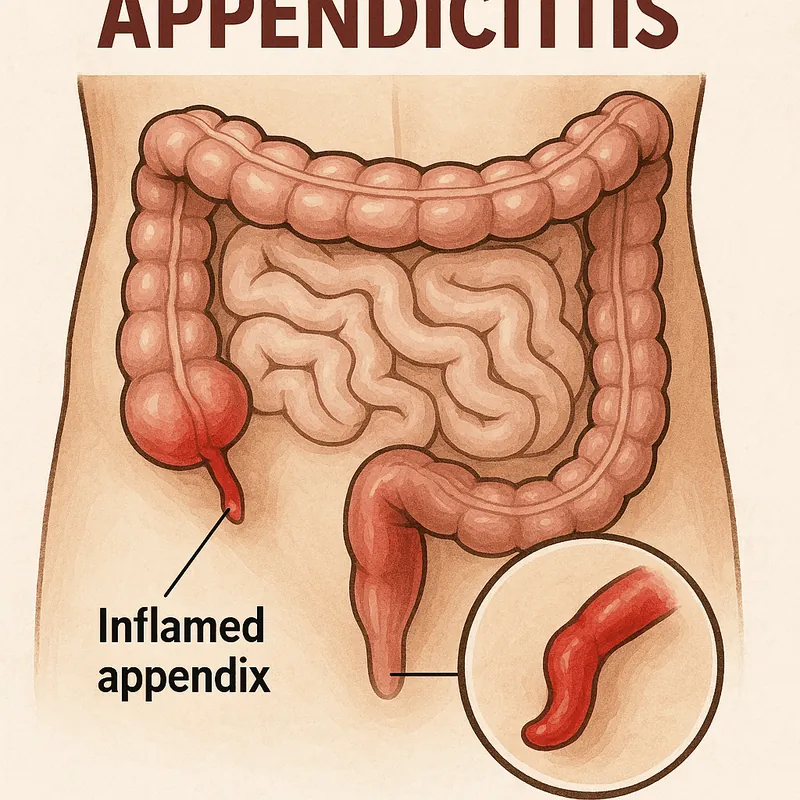
Appendicitis
Acute appendix inflammation. SURGICAL EMERGENCY; nutrition is for post-op recovery only.
Explore →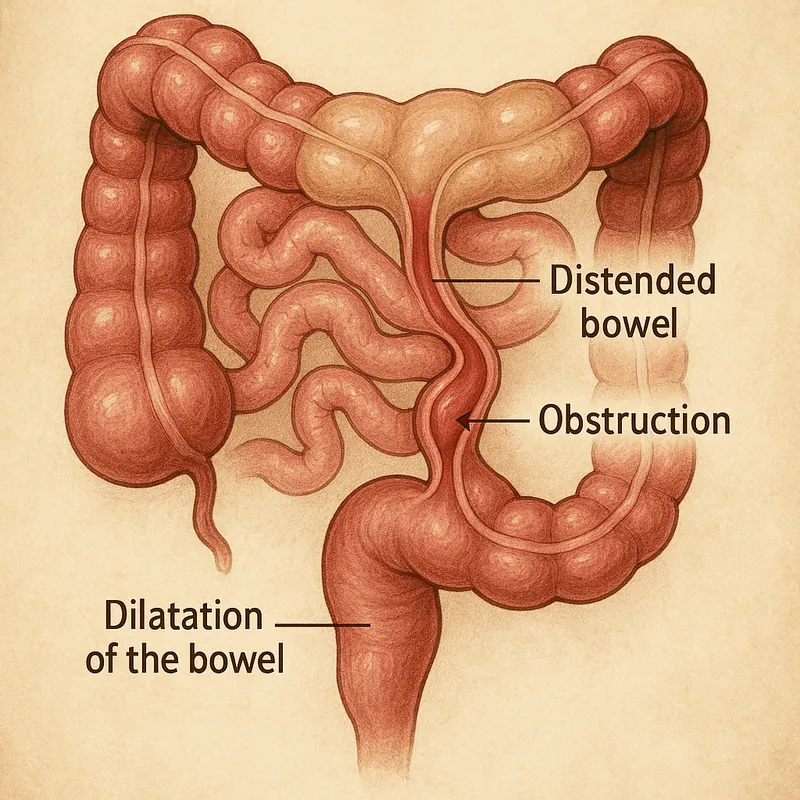
Bowel Obstruction
Blockage preventing intestinal contents from passing. MEDICAL EMERGENCY: seek immediate care.
Explore →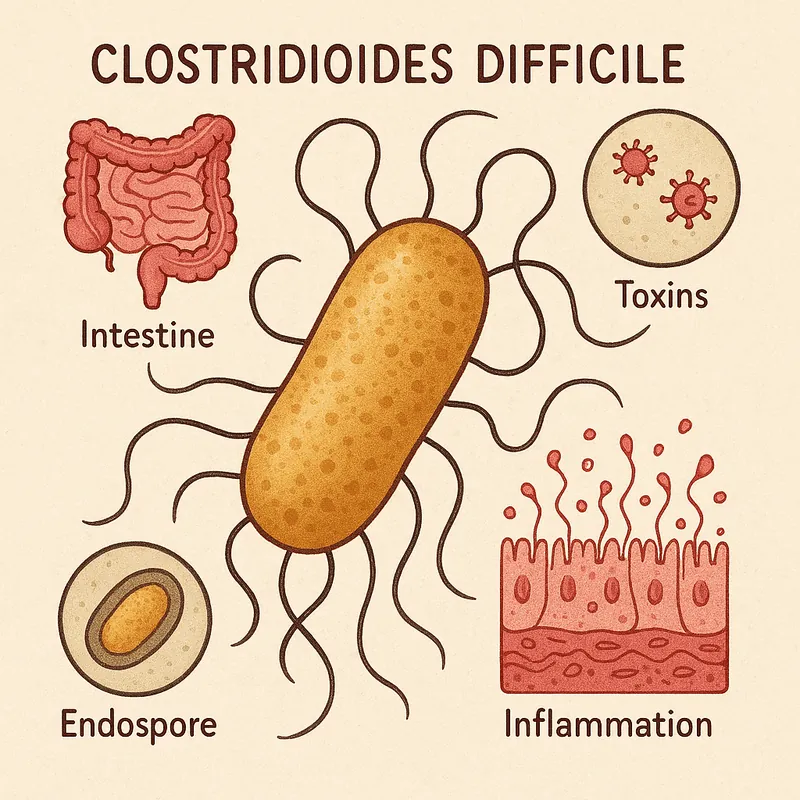
C. difficile
Opportunistic bacterial infection causing severe diarrhea, usually after antibiotic disruption.
Explore →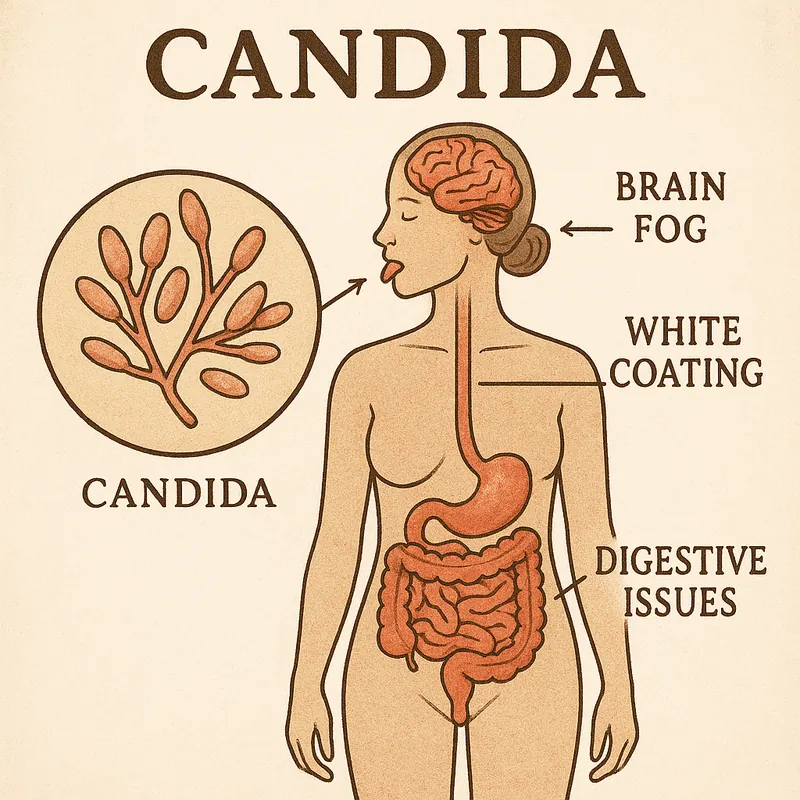
Candida
Thrush, recurrent yeast infections, and what is and is not established about gut overgrowth.
Explore →
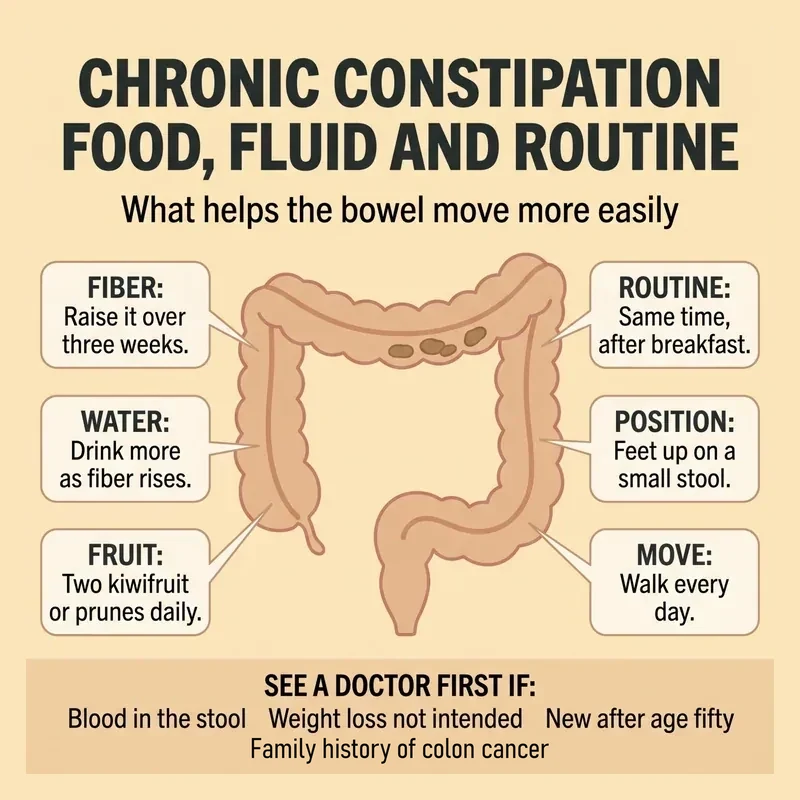
Chronic Constipation
Kiwifruit and prunes did as well as fiber supplements in trials. And the red flags to check before trying any of it.
Explore →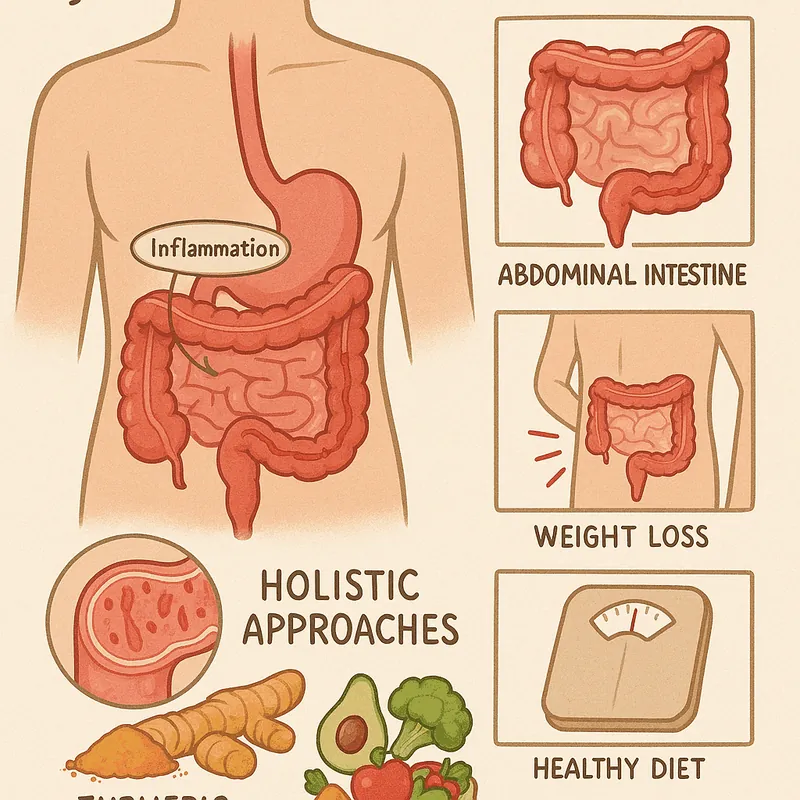
Crohn's Disease
IBD that can affect any part of the GI tract in patchy lesions. Gut microbes differ in Crohn's, though their role is still being studied.
Explore →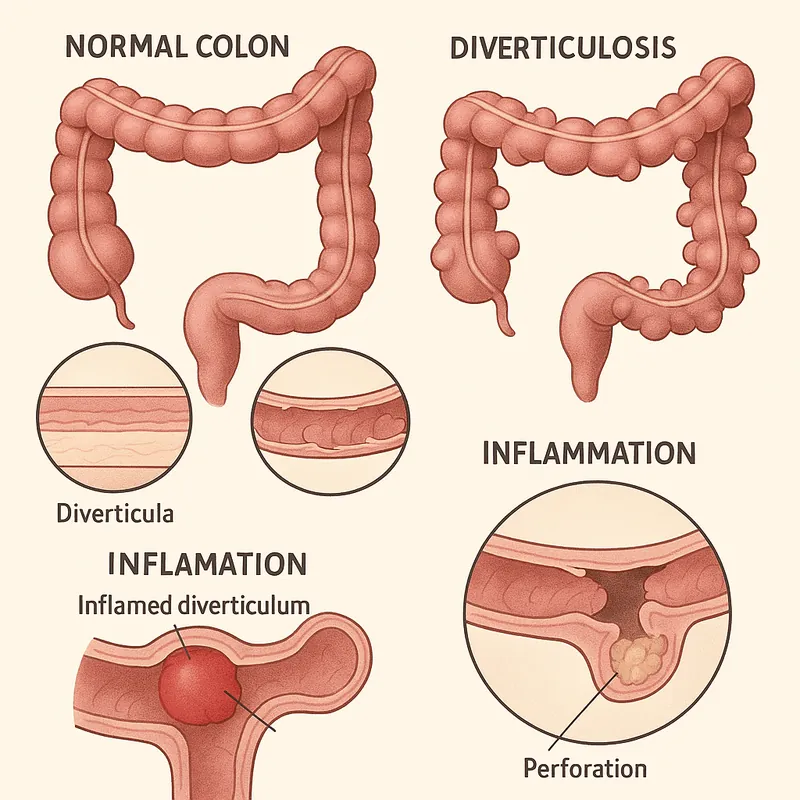
Diverticular Disease
Pouches in the colon wall, often silent but can inflame. Fiber is linked to fewer flare-ups, though whether low fiber causes the pouches is not settled.
Explore →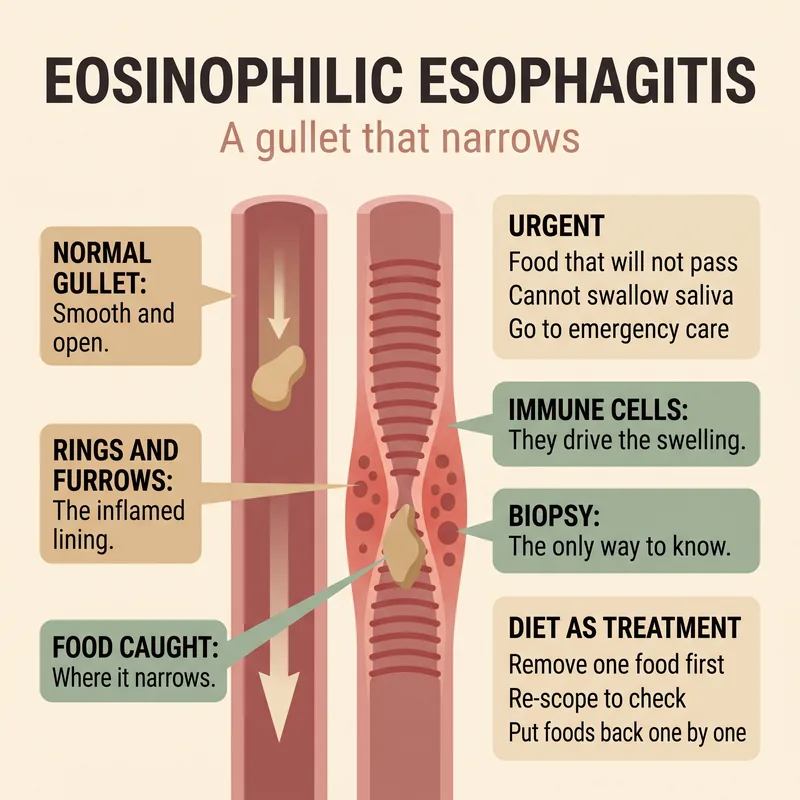
Eosinophilic Esophagitis
The rare condition where an elimination diet is genuine first-line therapy. Which is exactly why it needs endoscopy, a dietitian and a plan to put foods back.
Explore →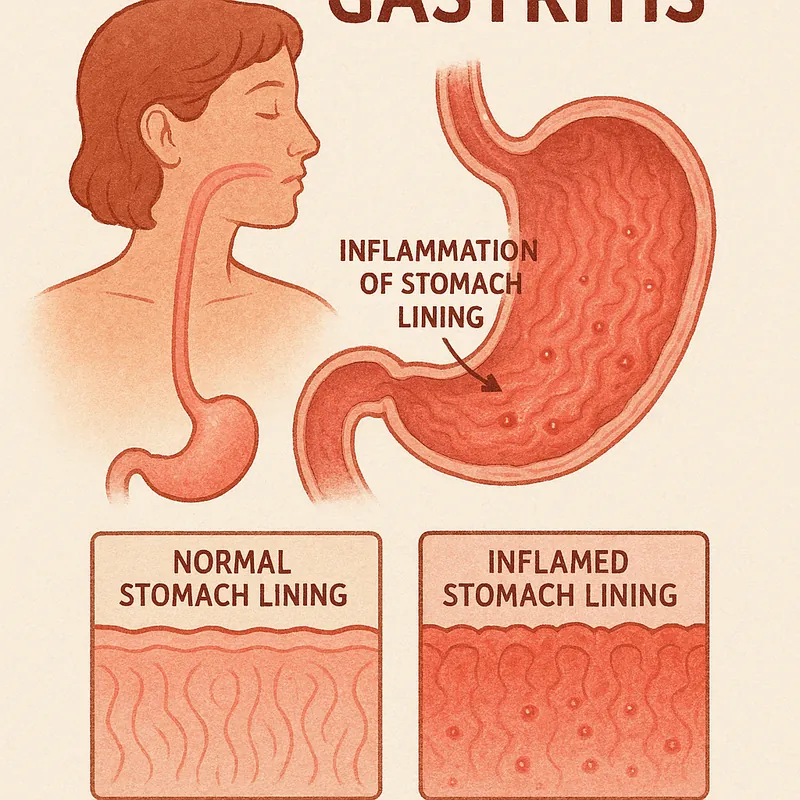
Gastritis
Inflammation of the stomach lining, most commonly from H. pylori, NSAIDs, alcohol or autoimmune attack.
Explore →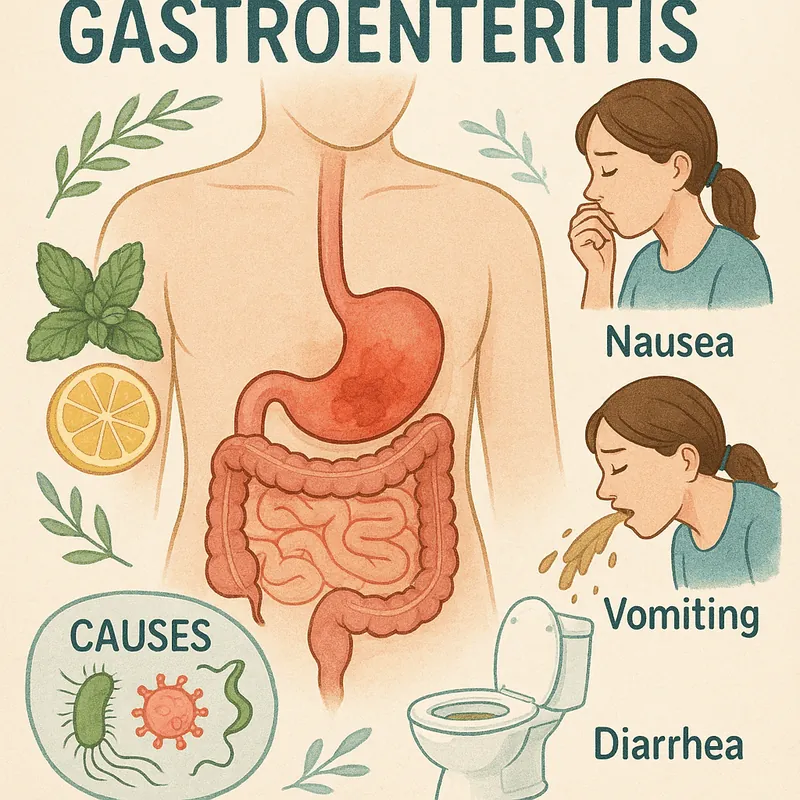
Gastroenteritis
Stomach/intestine inflammation from viral, bacterial or parasitic infection. Self-limiting in 1 to 7 days.
Explore →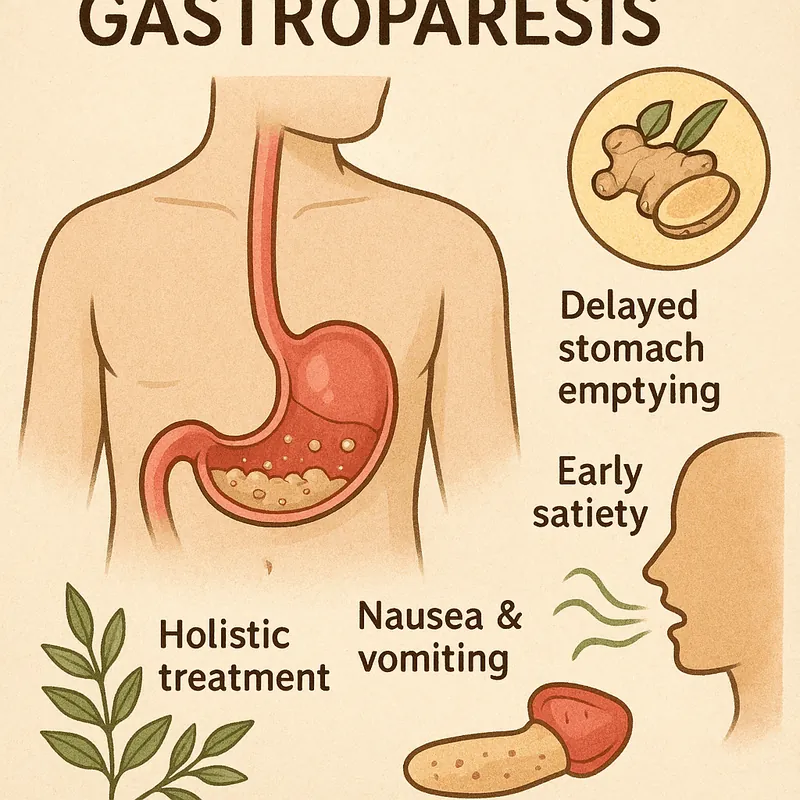
Gastroparesis
Delayed gastric emptying: diabetic, idiopathic or post-viral. Symptoms: early fullness, nausea, bloating.
Explore →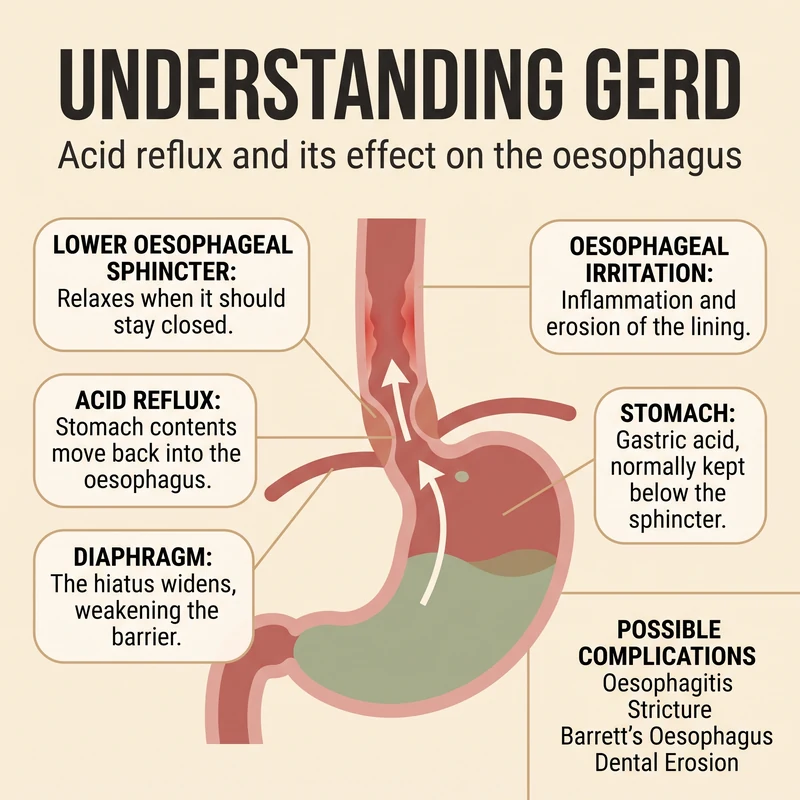
GERD (Acid Reflux)
Weight, meal timing and the angle of the bed have real evidence. The famous list of trigger foods has far less than its reputation suggests.
Explore →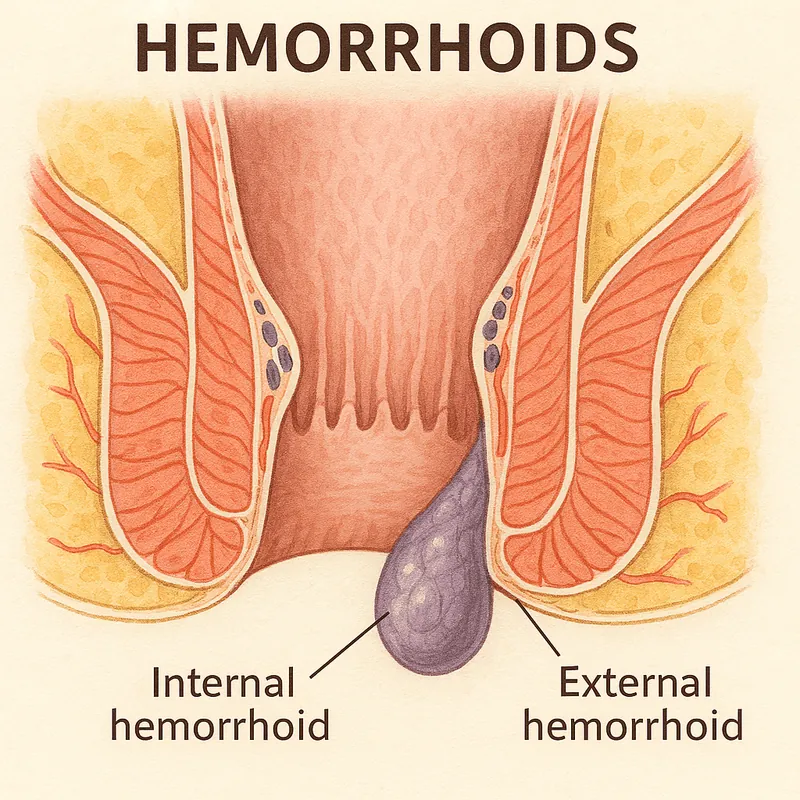
Hemorrhoids
Swollen rectal blood vessels from straining, constipation or prolonged sitting.
Explore →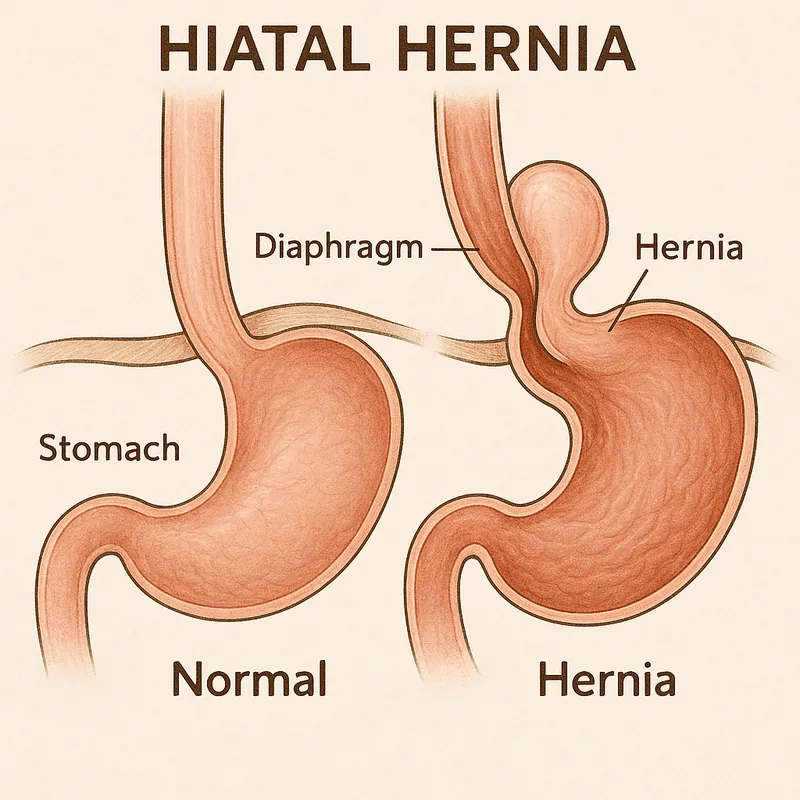
Hiatal Hernia
Part of the stomach pushes up through the diaphragm. It usually causes no symptoms, but it can weaken the barrier against reflux.
Explore →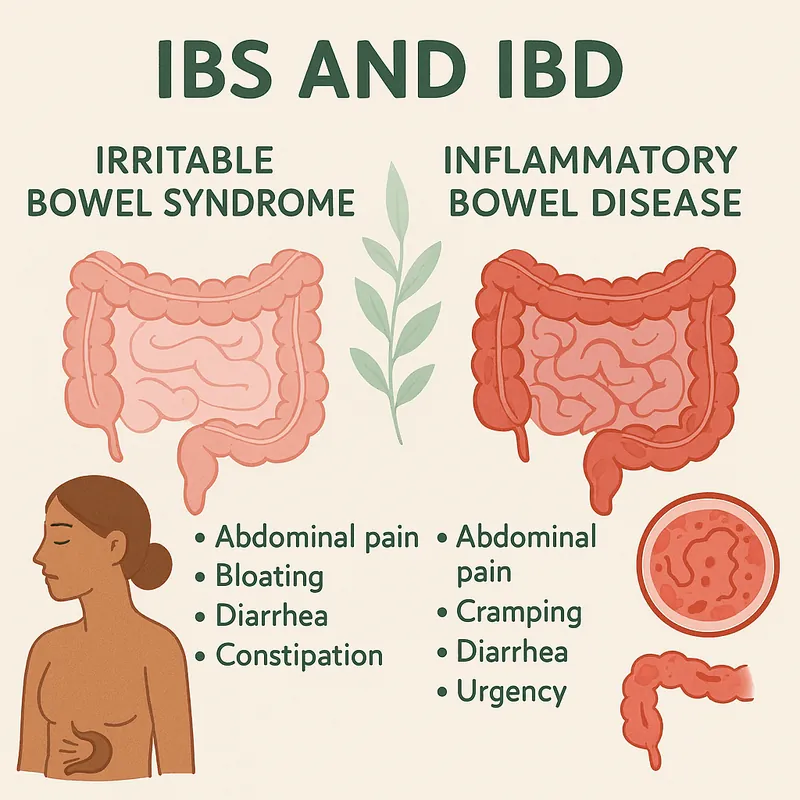
IBS & IBD
From functional bowel disorders to inflammatory Crohn's disease and ulcerative colitis, and the mind-gut connection.
Explore →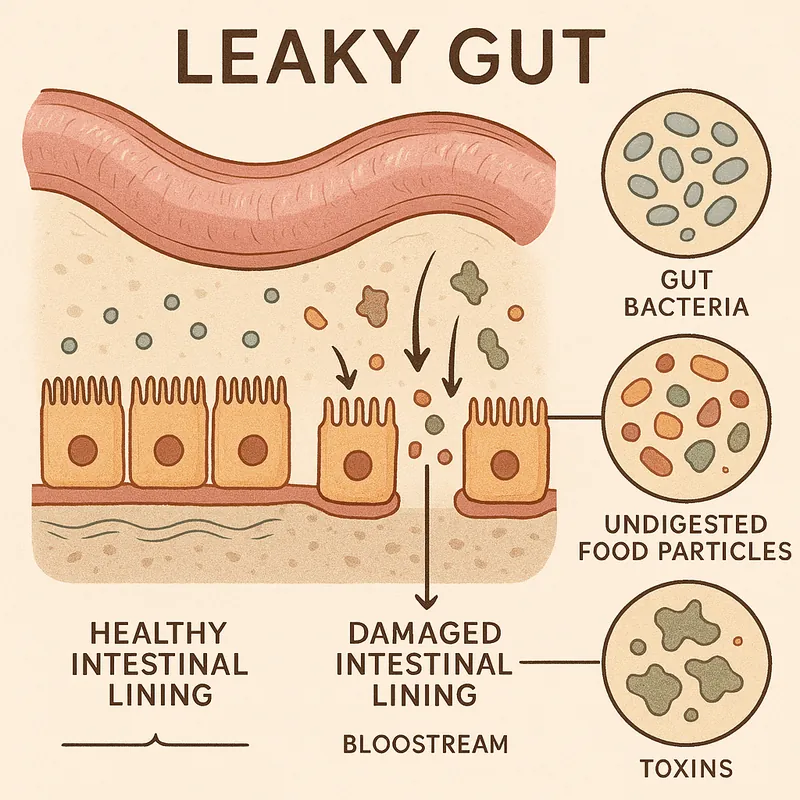
Leaky Gut
Increased intestinal permeability is measurable in research and found alongside several conditions, but whether it causes them is unresolved.
Explore →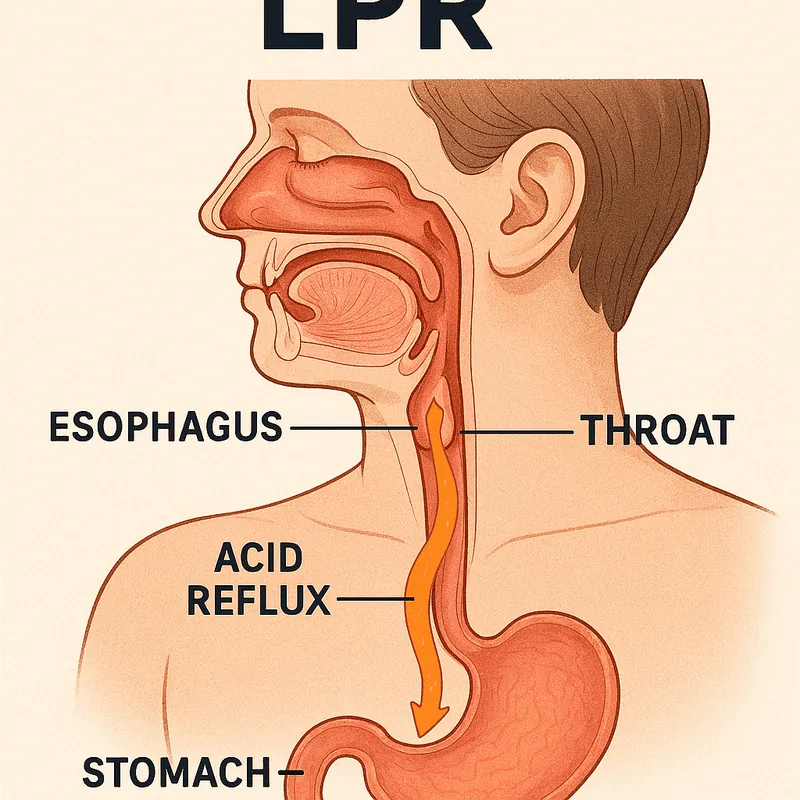
LPR (Silent Reflux)
Pepsin on laryngeal tissue causing chronic throat clearing, hoarseness and postnasal drip without classic heartburn.
Explore →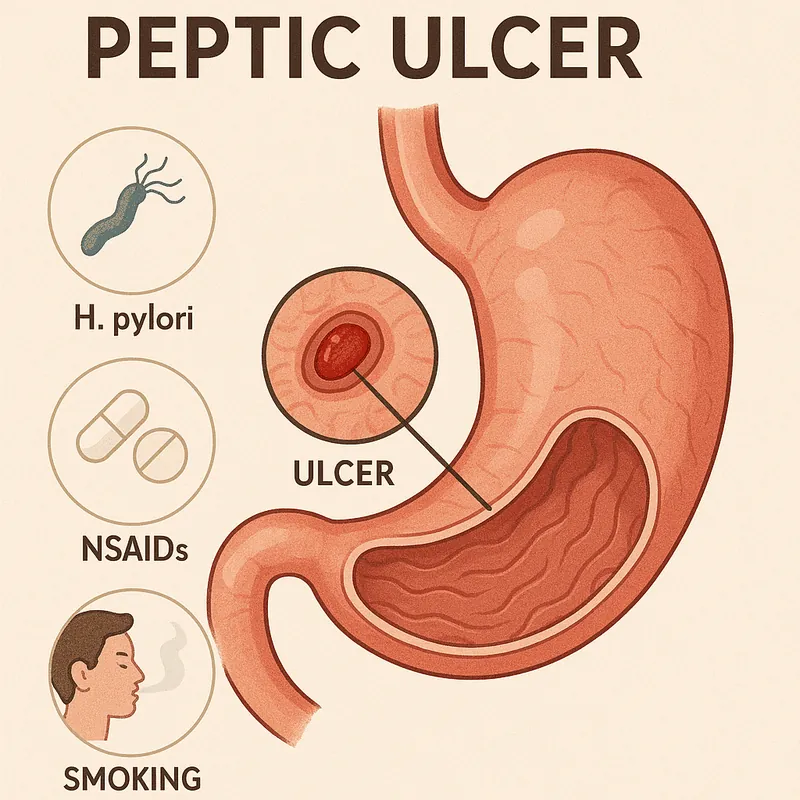
Peptic Ulcer Disease
Erosions in the stomach or duodenal lining. Most are caused by H. pylori or NSAIDs.
Explore →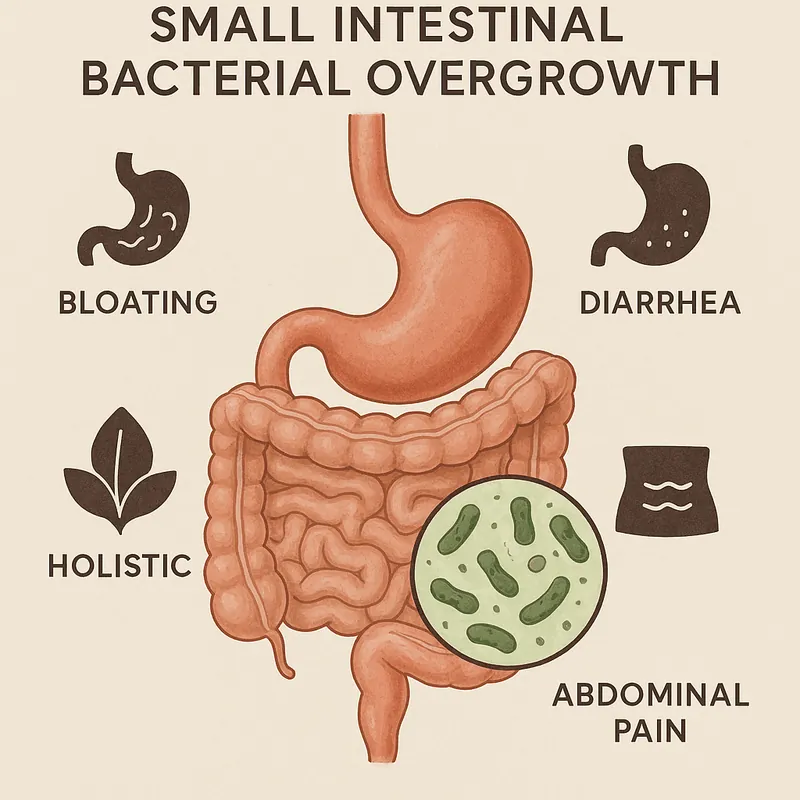
SIBO
Small Intestinal Bacterial Overgrowth, found in 19 to 49% of people with IBS depending on the test used. 3 subtypes, complex treatment.
Explore →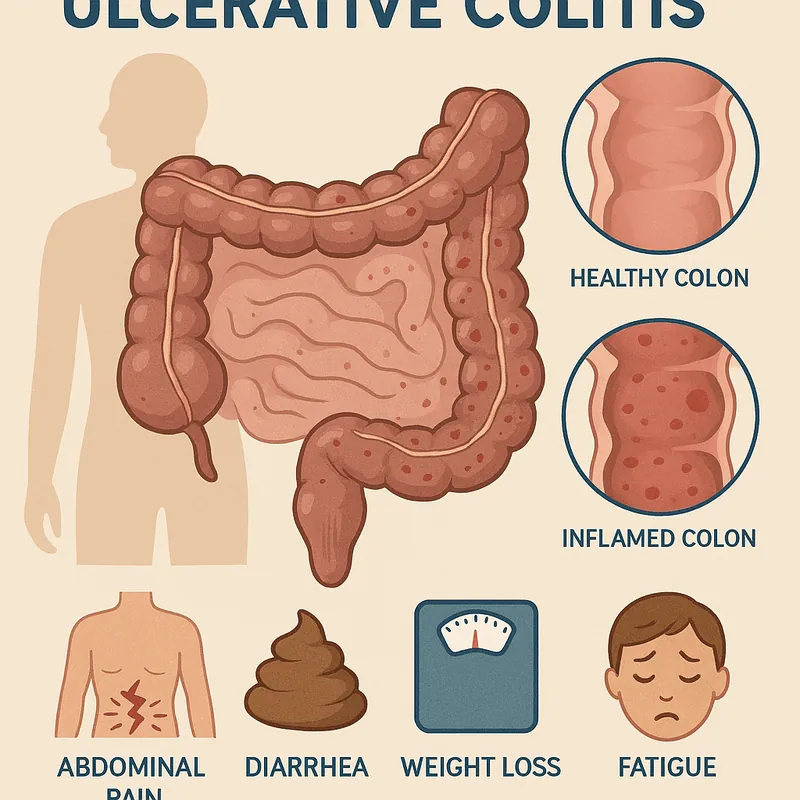
Ulcerative Colitis
IBD affecting the colon and rectum continuously, from an immune response at the gut lining that has gone wrong.
Explore →Hormonal & Women's Health
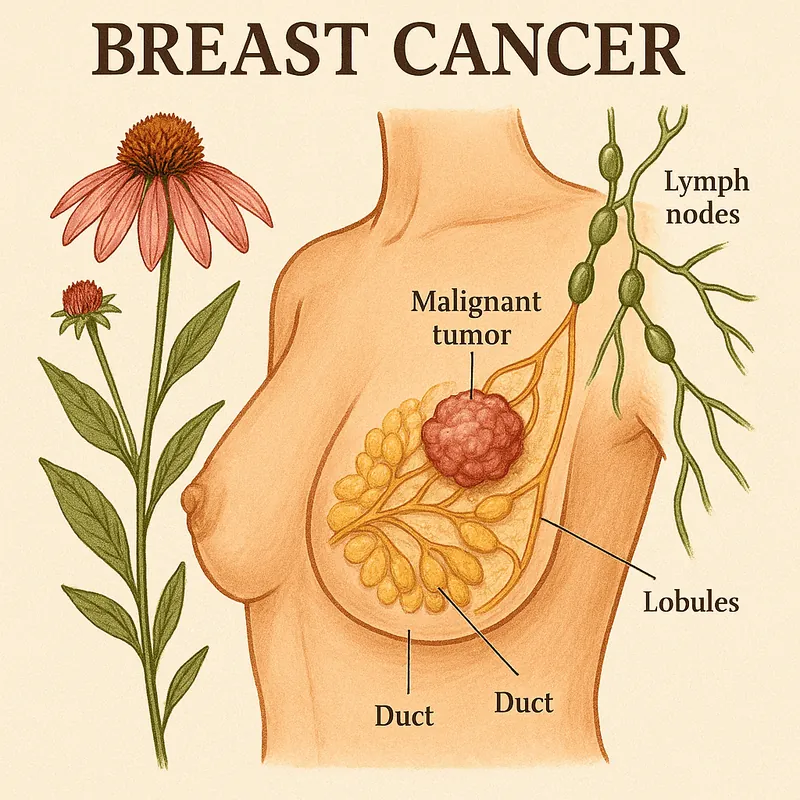
Breast Cancer
Most common cancer in women. Risk is linked to estrogen exposure, alcohol, body weight and physical activity.
Explore →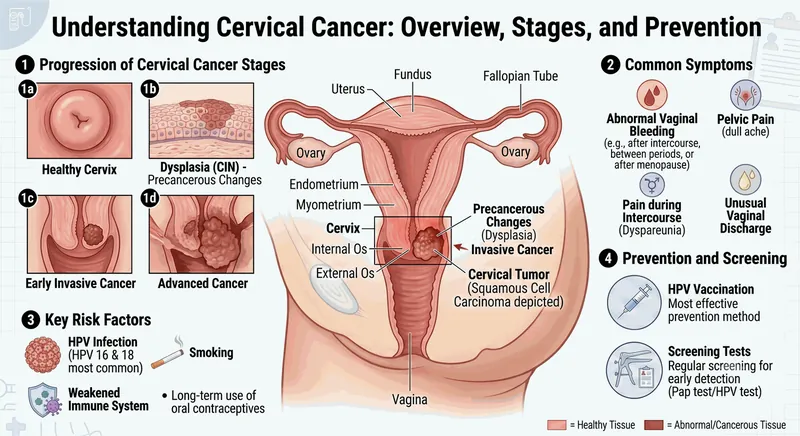
Cervical Cancer
Cancer of the cervix, almost always caused by persistent HPV infection, largely preventable through screening and vaccination.
Explore →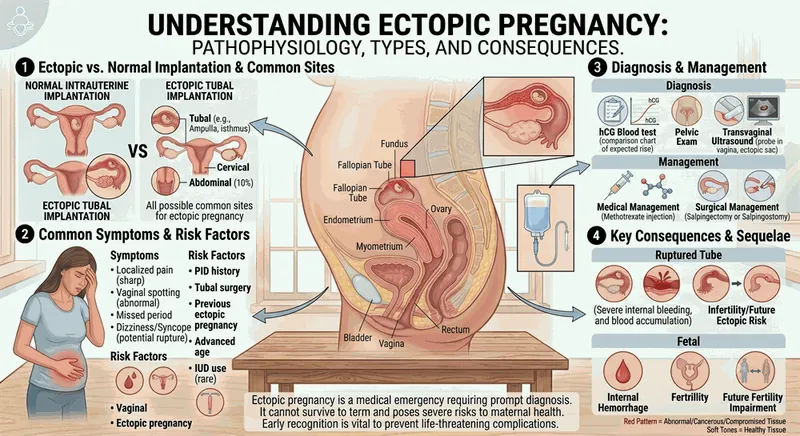
Ectopic Pregnancy
Fertilized egg implants outside the uterus (usually fallopian tube), a medical emergency that requires immediate treatment.
Explore →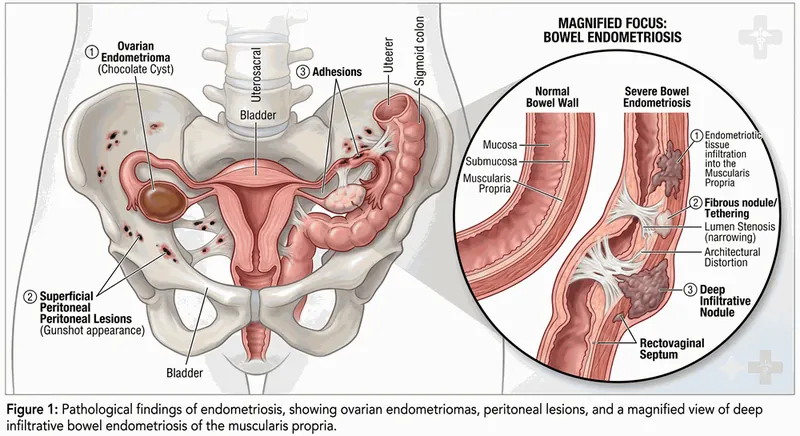
Endometriosis
Endometrial-like tissue grows outside the uterus, driving pelvic pain, heavy bleeding and infertility risk.
Explore →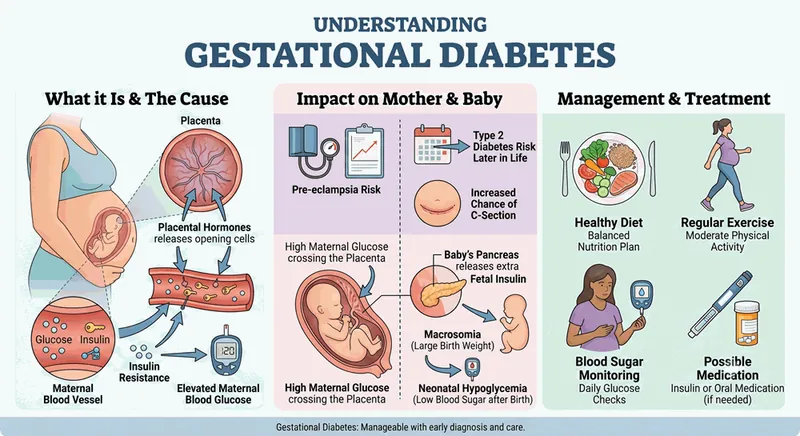
Gestational Diabetes
Insulin resistance arising during pregnancy, affecting 5 to 9% of US pregnancies and raising lifetime risk for type 2 diabetes.
Explore →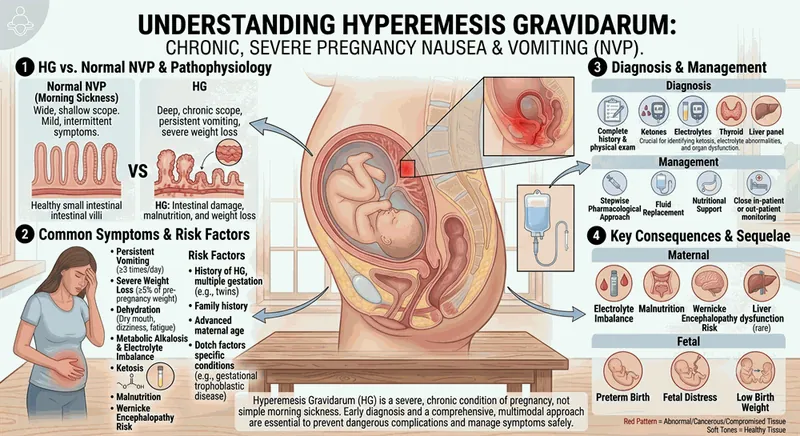
Hyperemesis Gravidarum
Severe pregnancy-related nausea and vomiting causing weight loss, dehydration and electrolyte imbalance.
Explore →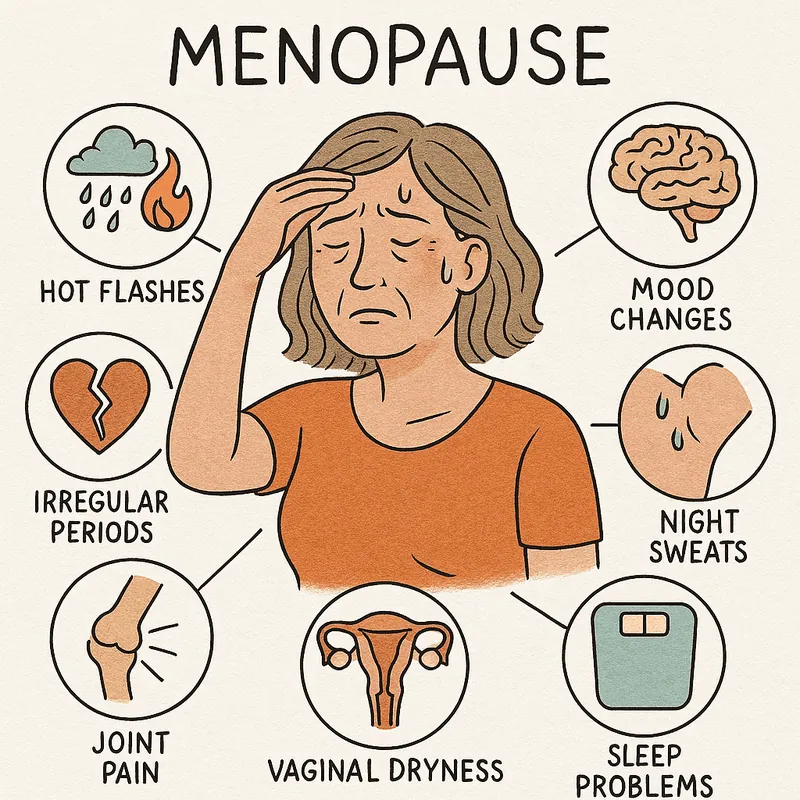
Menopause
Menopause comes at an average age of 51, and the phase after it lasts 30 or more years. Sustained low estrogen reshapes bone, heart health and cognition.
Explore →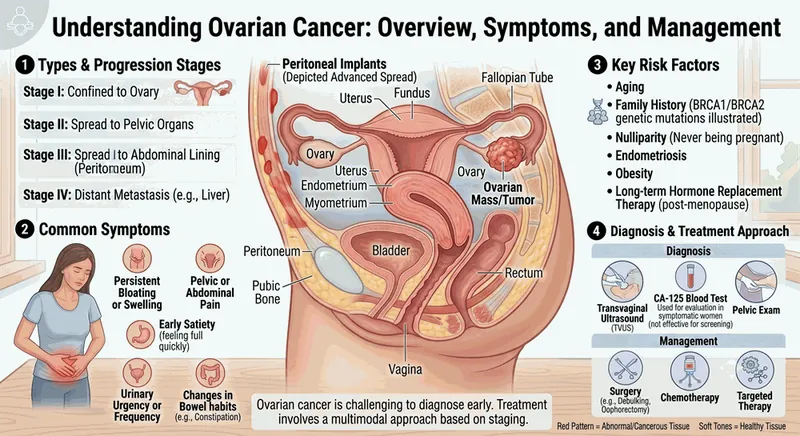
Ovarian Cancer
Cancer of the ovaries, often diagnosed late due to vague symptoms; nutrition supports treatment tolerance and recovery.
Explore →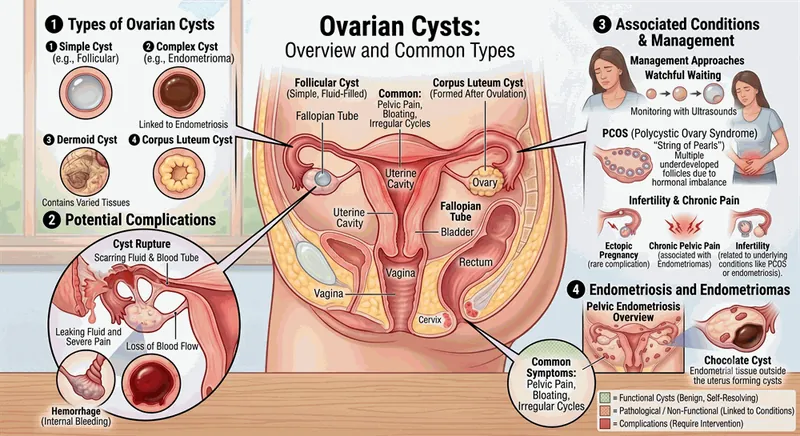
Ovarian Cysts
Fluid-filled sacs on the ovaries, mostly benign and self-resolving, but can cause pain and require monitoring.
Explore →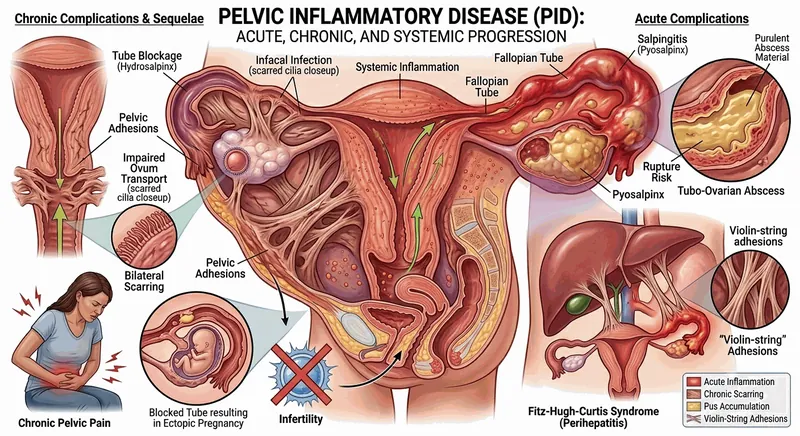
Pelvic Inflammatory Disease (PID)
Infection of the upper female reproductive tract, requiring prompt antibiotic treatment to prevent long-term complications.
Explore →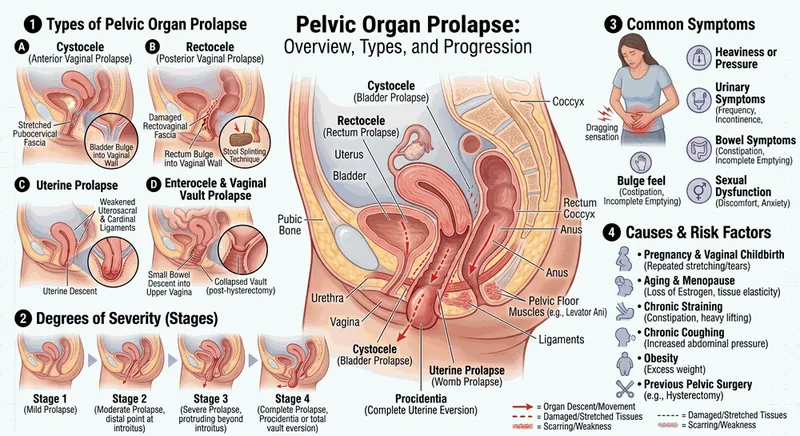
Pelvic Organ Prolapse
Weakening of pelvic floor muscles causing the bladder, uterus or rectum to drop, often after childbirth or with aging.
Explore →
Perimenopause
Hormonal transition before menopause, lasting a median of nearly 4 years, with vasomotor (hot flashes and night sweats), genitourinary, psychological and metabolic symptoms.
Explore →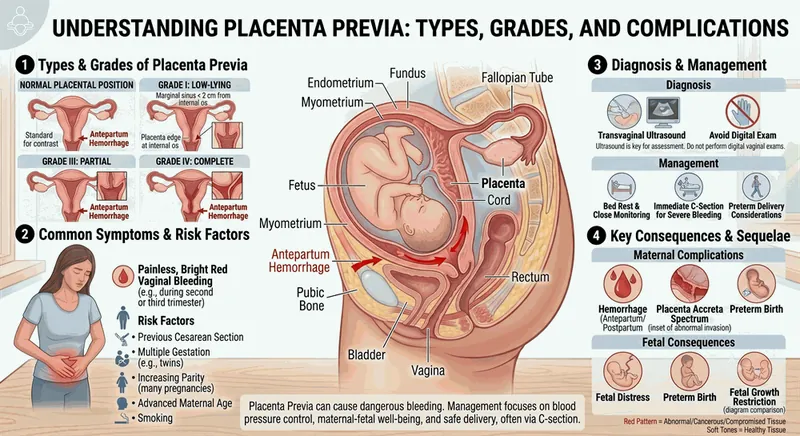
Placenta Previa
Placenta partially or fully covers the cervix, causing bleeding risk in late pregnancy and usually requiring cesarean delivery.
Explore →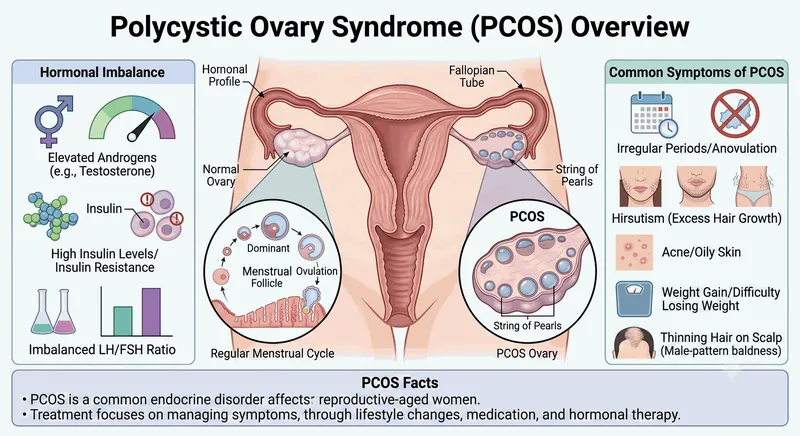
Polycystic Ovary Syndrome (PCOS)
Hormonal disorder marked by insulin resistance, irregular cycles and hyperandrogenism, affecting 1 in 10 women.
Explore →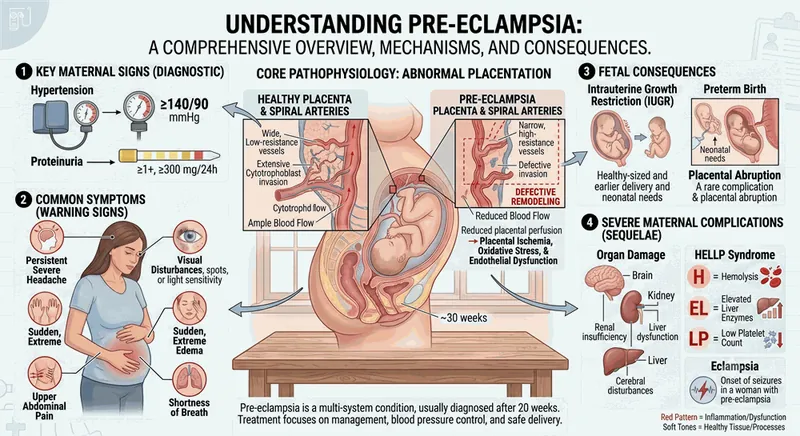
Preeclampsia
Pregnancy complication marked by high blood pressure and organ stress. It affects 3 to 8% of pregnancies and is a leading cause of maternal mortality.
Explore →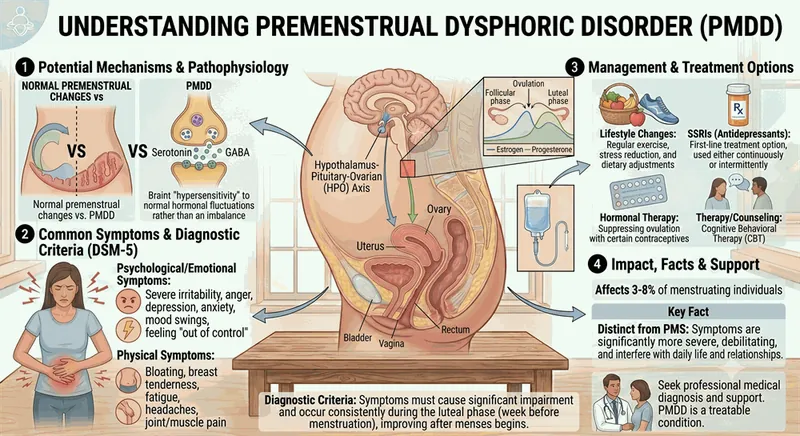
Premenstrual Dysphoric Disorder (PMDD)
Severe form of PMS with debilitating mood changes, irritability and depression in the luteal phase, often misdiagnosed for years.
Explore →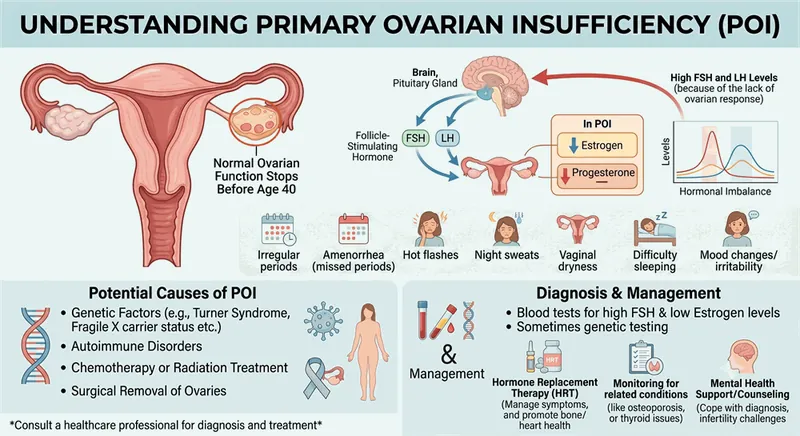
Primary Ovarian Insufficiency (POI)
Loss of normal ovarian function before age 40, causing early menopausal symptoms and infertility.
Explore →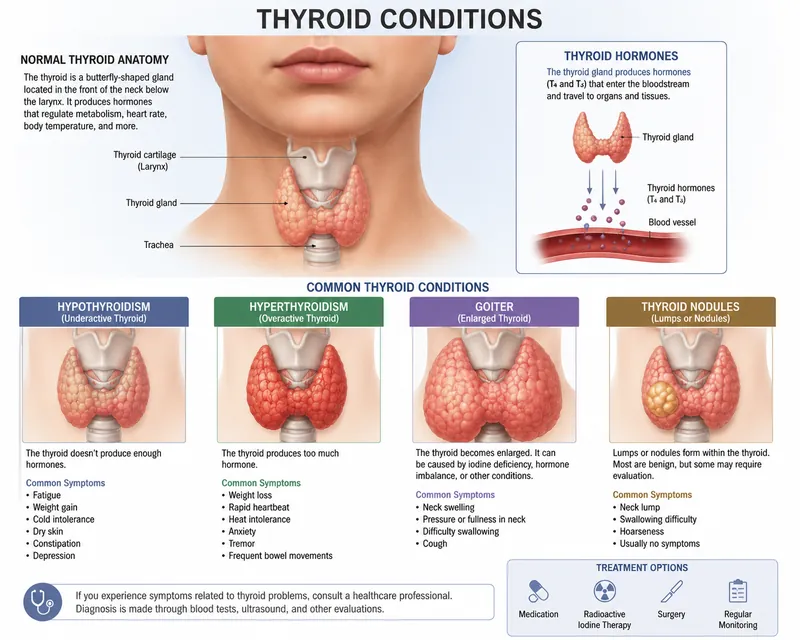
Thyroid Disorders
Hashimoto's, hypothyroidism, hyperthyroidism, Graves', nodules, goiter, thyroid cancer and postpartum thyroiditis. Women are 5 to 10 times more likely than men to develop thyroid disease.
Explore →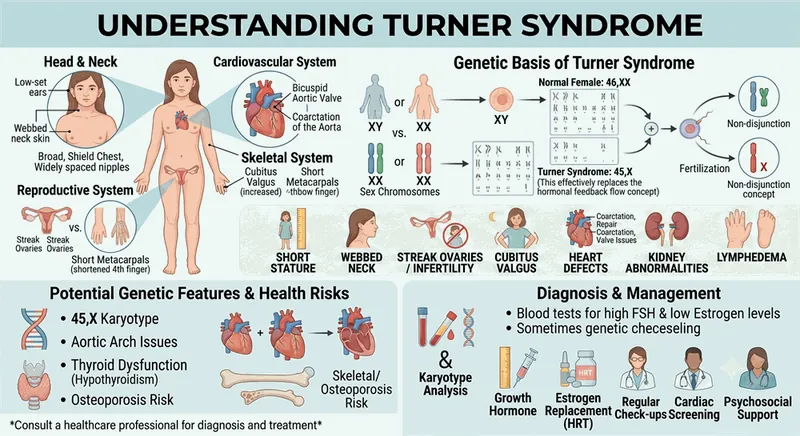
Turner Syndrome
Genetic condition (45,X) affecting females, with short stature, ovarian insufficiency, and lifelong cardiovascular and bone considerations.
Explore →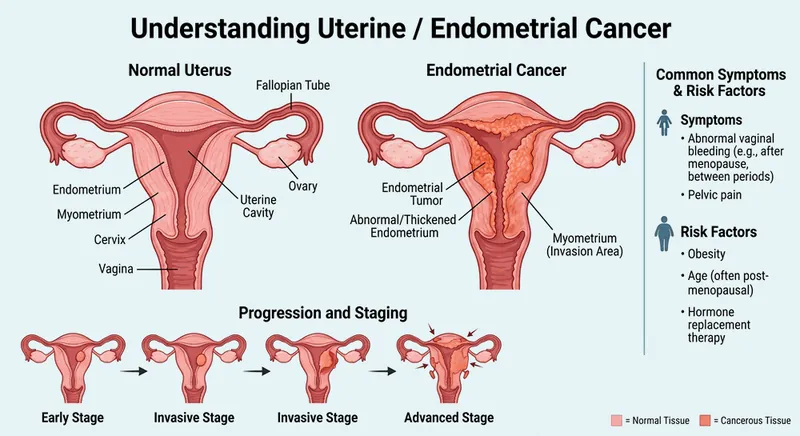
Uterine / Endometrial Cancer
The most common gynecologic cancer in developed countries, strongly linked to estrogen excess and metabolic disease.
Explore →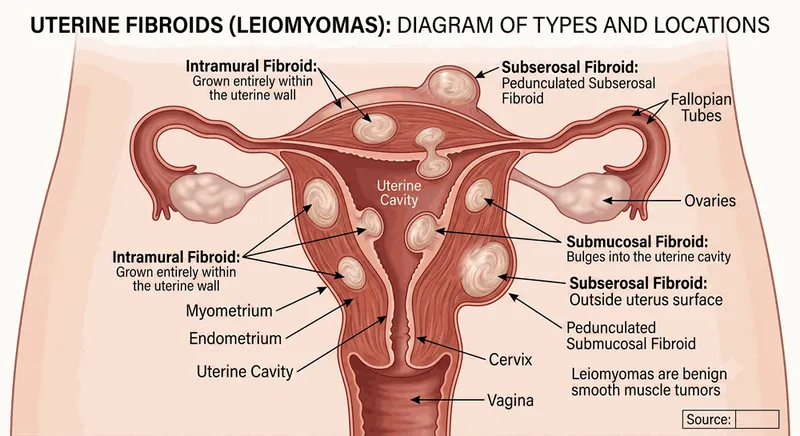
Uterine Fibroids
Non-cancerous smooth-muscle growths in the uterus, driven by estrogen, that can cause heavy bleeding and anemia.
Explore →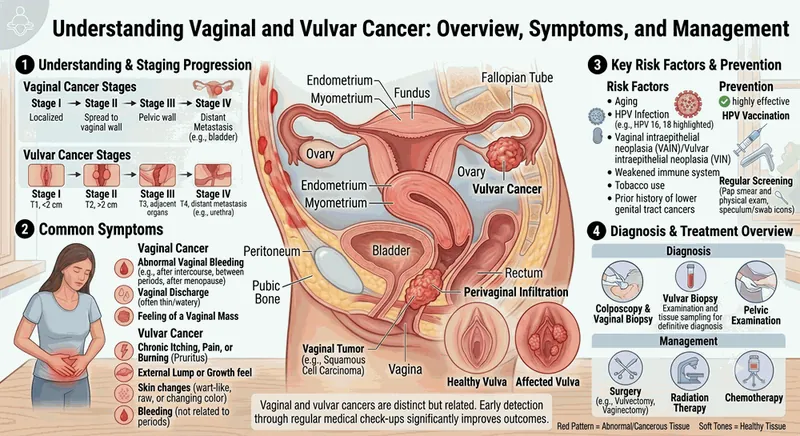
Vaginal / Vulvar Cancer
Rare cancers of the vagina or vulva, most often linked to HPV or chronic vulvar conditions like lichen sclerosus.
Explore →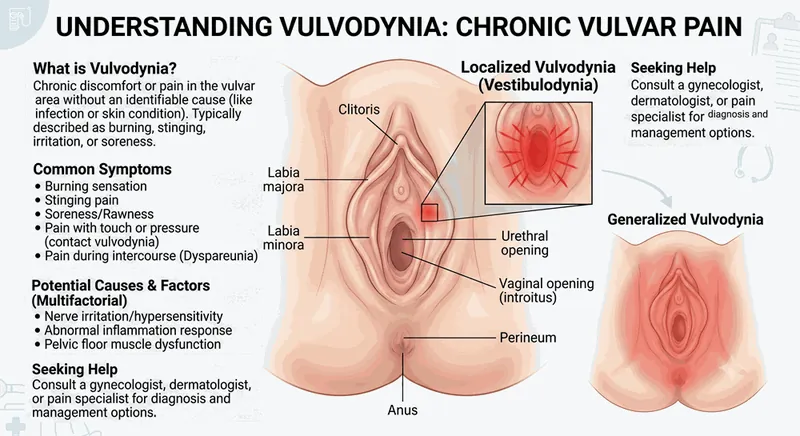
Vulvodynia
Chronic vulvar pain lasting 3+ months without identifiable cause, often linked to nerve sensitization.
Explore →Kidney & Blood
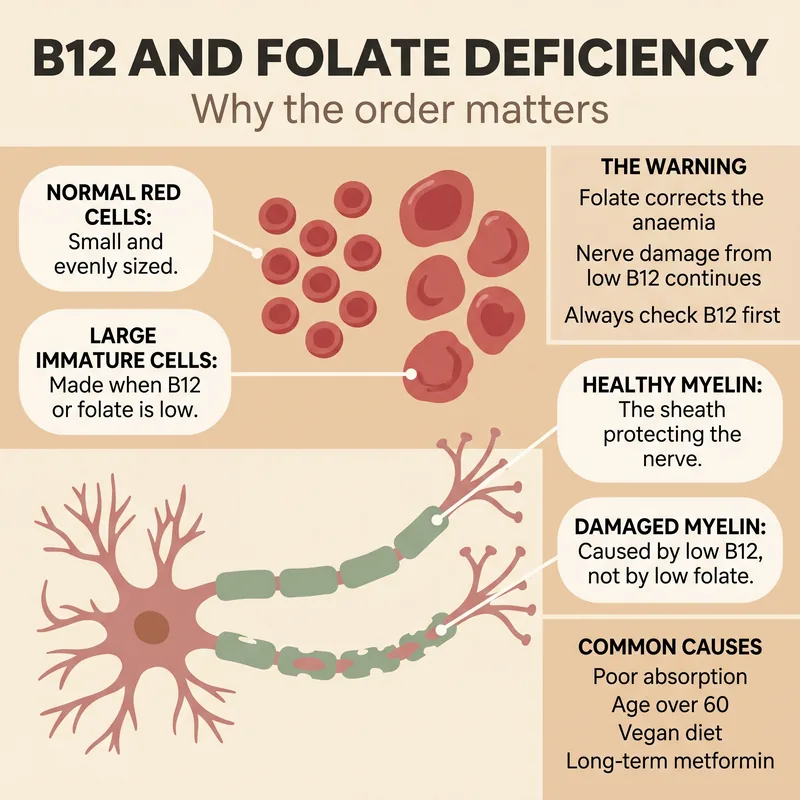
B12 & Folate Deficiency
Folate taken without checking B12 first corrects the blood test while nerve damage carries on. The order matters.
Explore →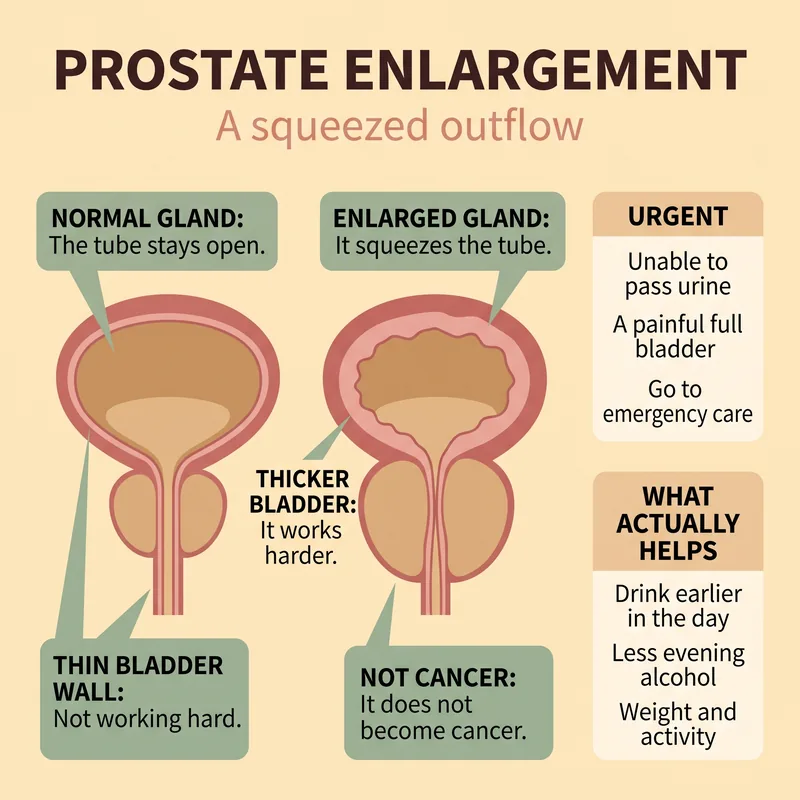
Benign Prostatic Hyperplasia
Not cancer, and it does not become cancer. The best-selling supplement for it failed to beat placebo in two rigorous trials, and fluid timing works better.
Explore →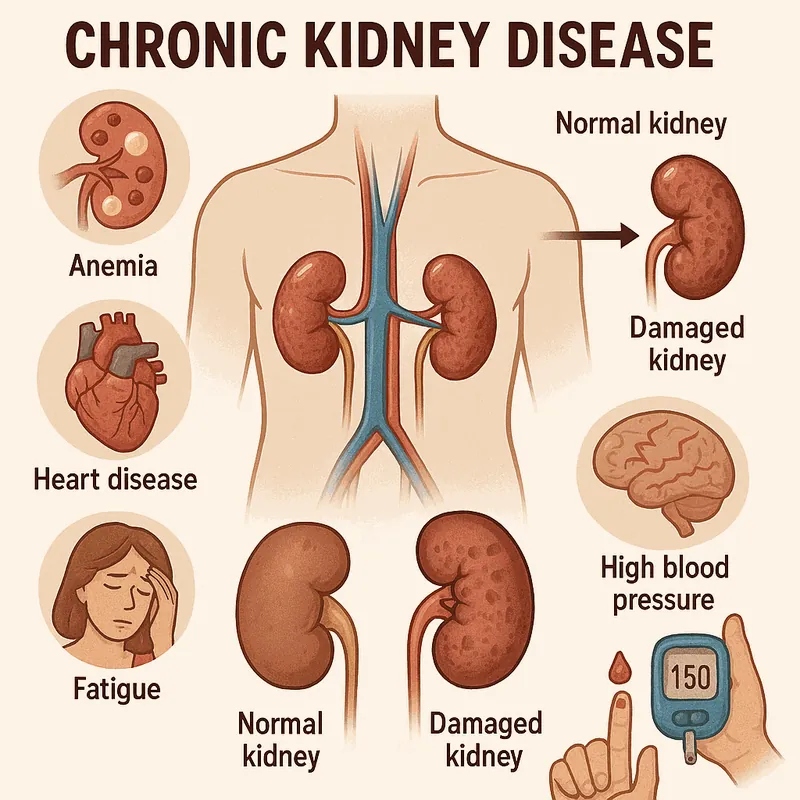
Chronic Kidney Disease
Progressive kidney function loss. Affects about 14% of US adults, often silent until late stages.
Explore →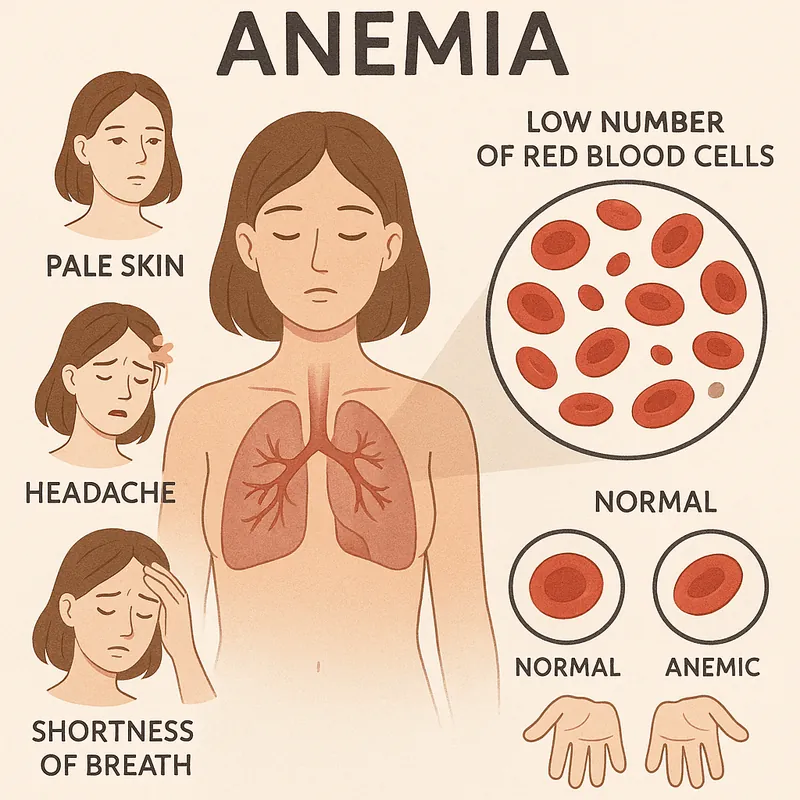
Iron-Deficiency Anemia
Most common nutritional deficiency worldwide. Often a sign of blood loss or poor absorption, so the cause needs to be found, not just the iron replaced.
Explore →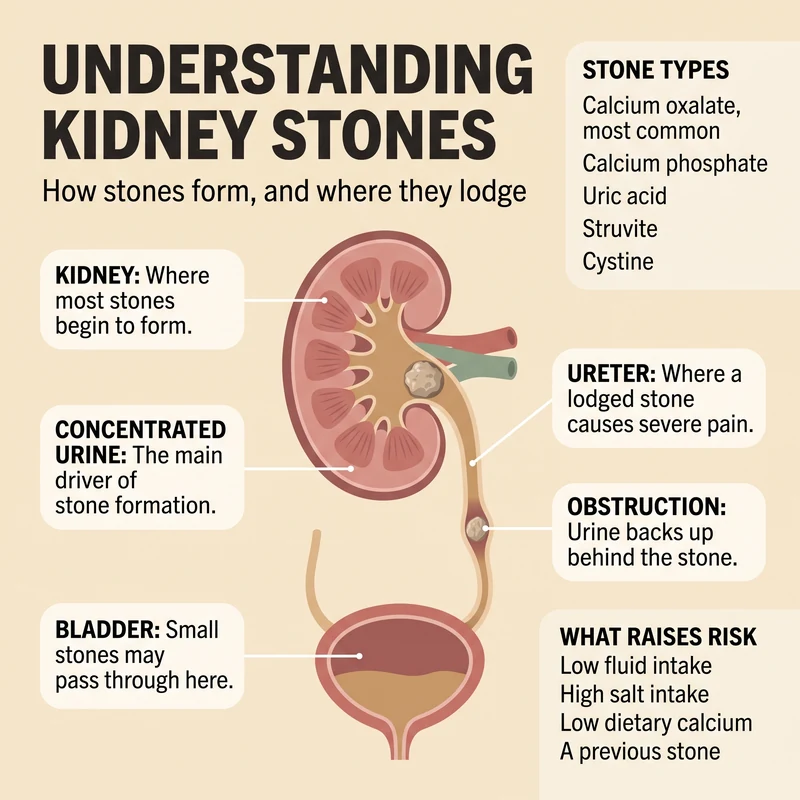
Kidney Stones
Cutting dietary calcium makes calcium stones more likely, not less. The advice most people are given is backwards.
Explore →Liver, Gallbladder & Pancreas
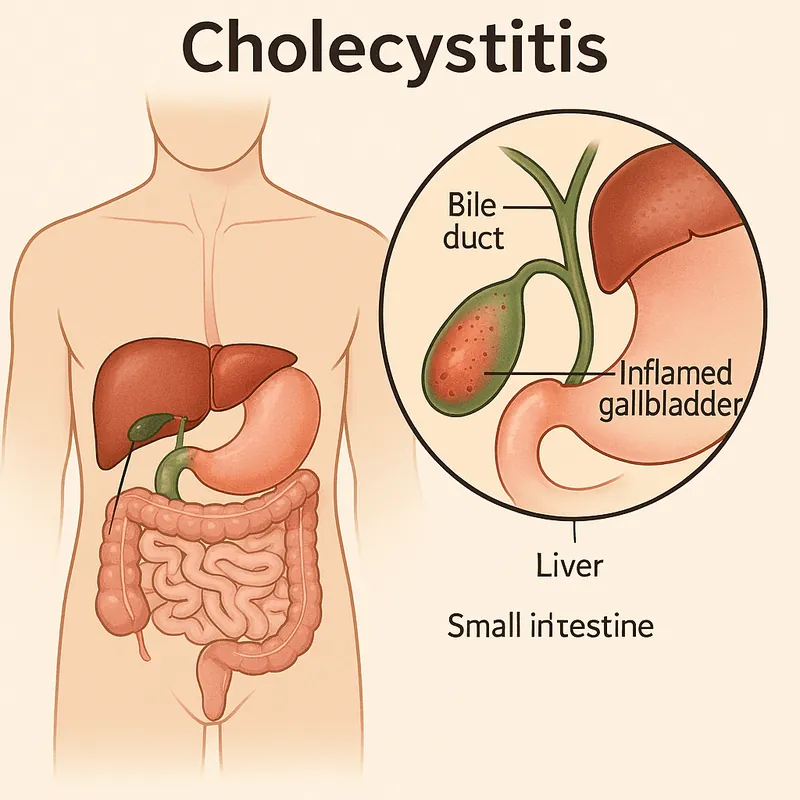
Cholecystitis
Gallbladder inflammation, usually from gallstone obstruction. Often surgical.
Explore →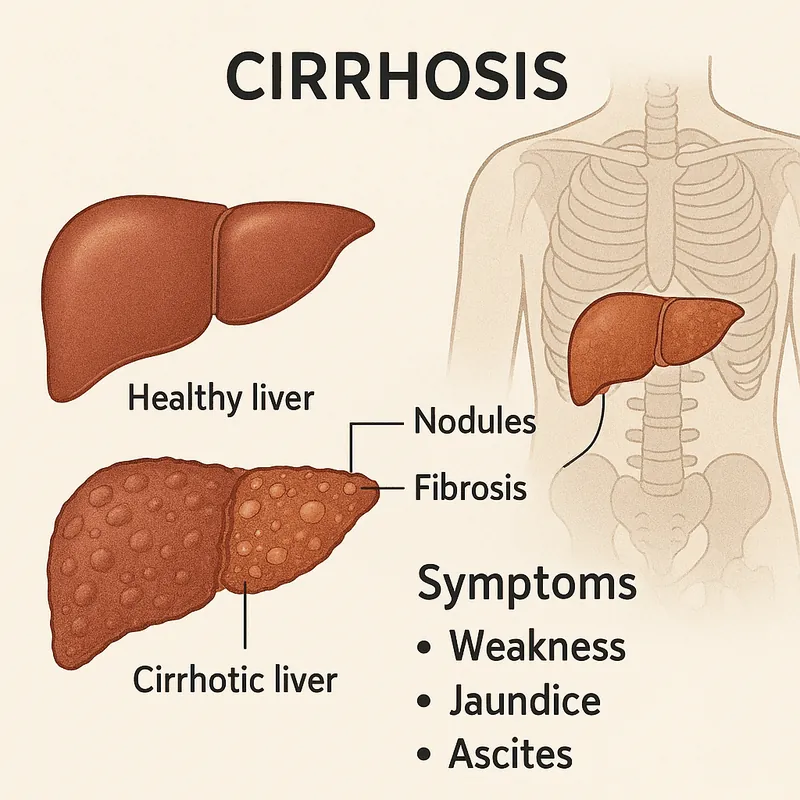
Cirrhosis
Late-stage liver scarring from alcohol, viral hepatitis, NAFLD or autoimmune causes.
Explore →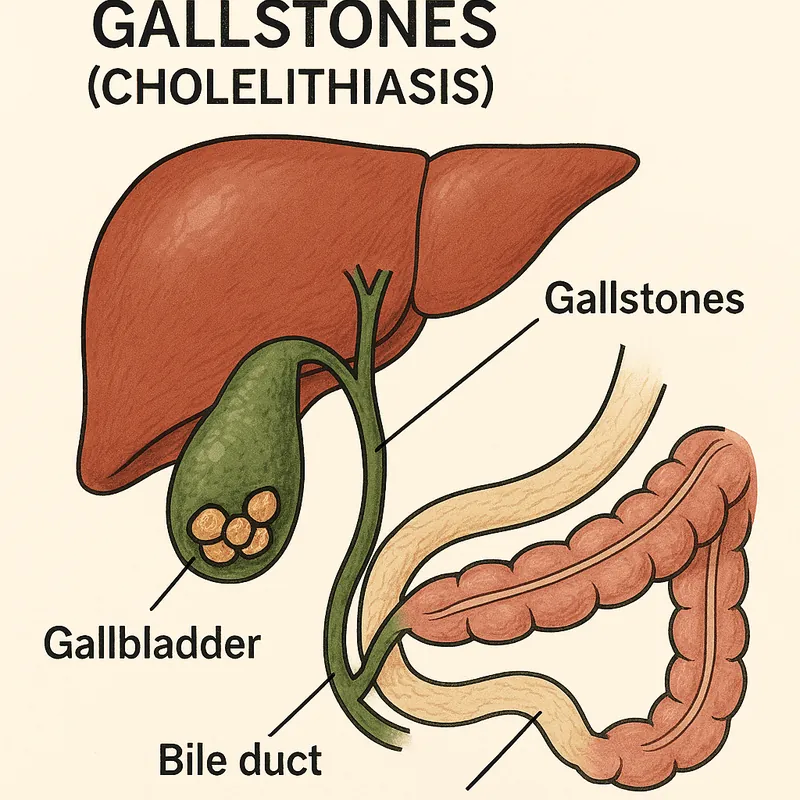
Gallstones
Cholesterol or pigment stones forming in the gallbladder. Female, fertile, forty, obese risk profile.
Explore →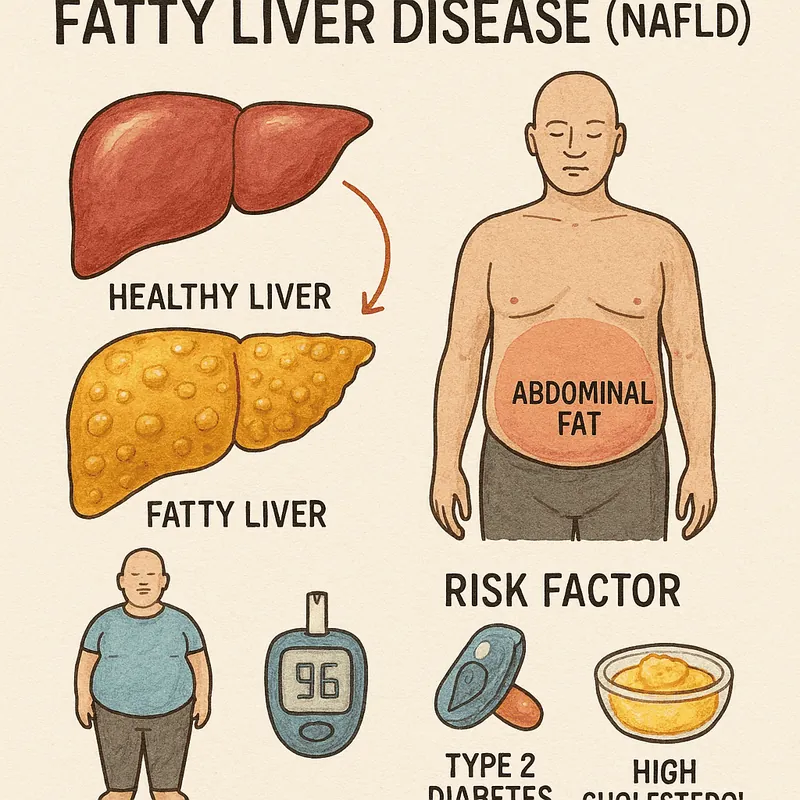
NAFLD
Nonalcoholic fatty liver disease affects about 30% of adults worldwide. Driven by insulin resistance and fructose.
Explore →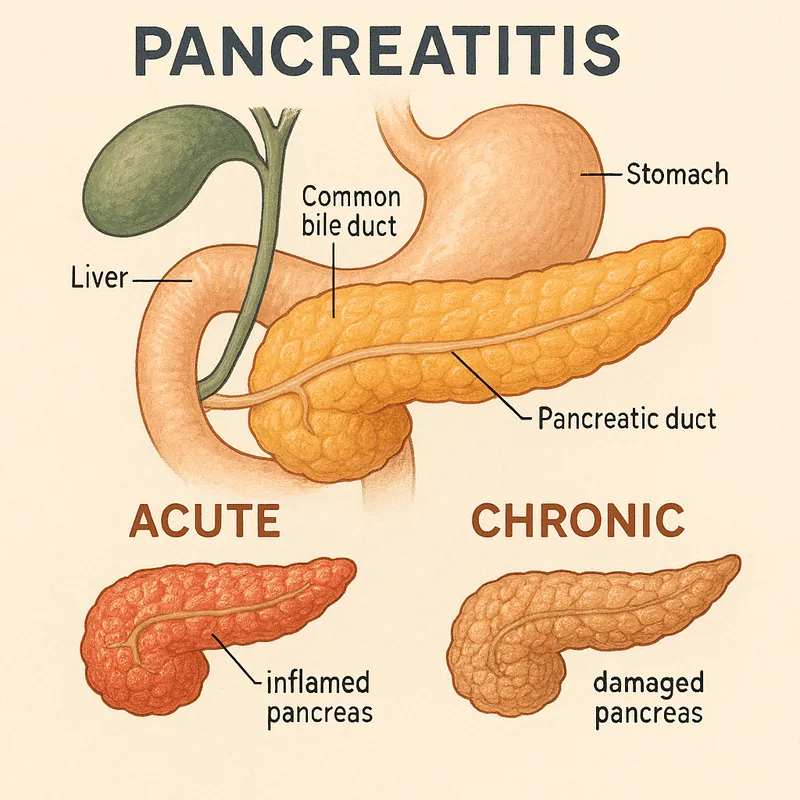
Pancreatitis
Pancreatic inflammation, acute (often gallstone or alcohol) or chronic (progressive scarring).
Explore →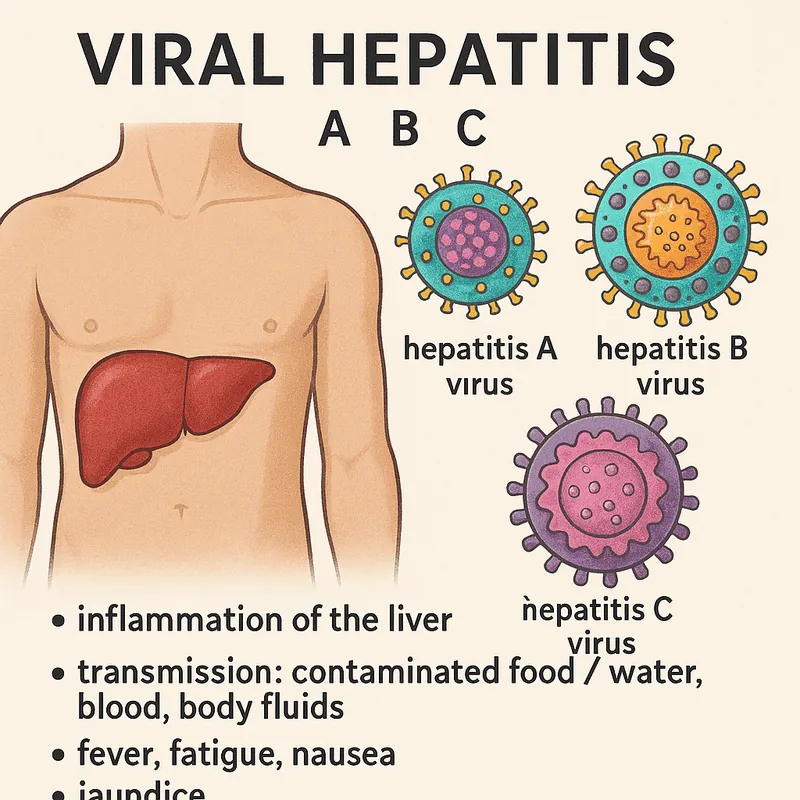
Viral Hepatitis
Liver inflammation from hepatitis A, B or C. C is now curable with antivirals.
Explore →Musculoskeletal & Pain
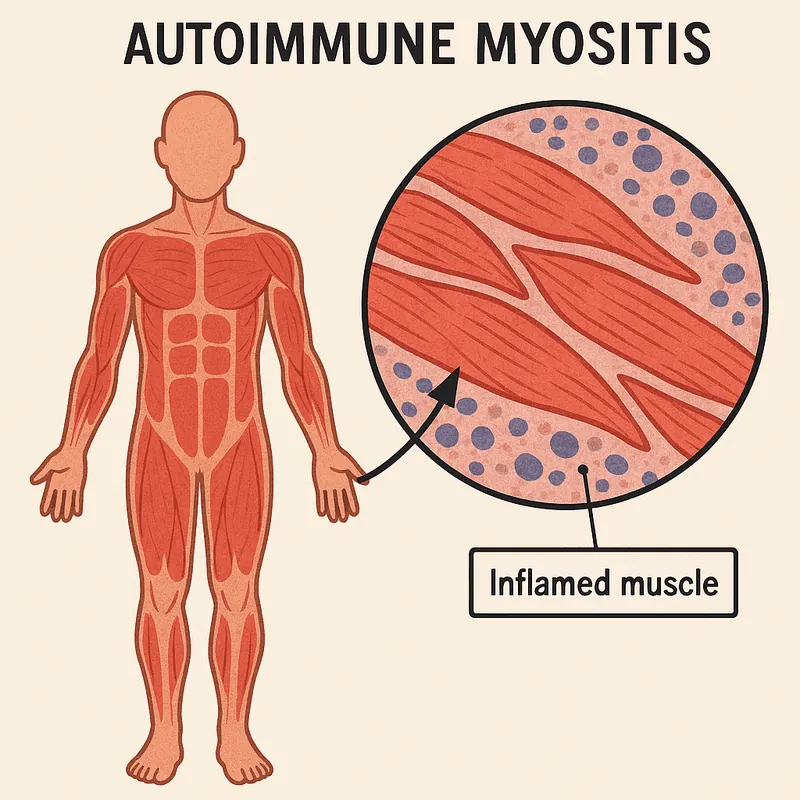
Autoimmune Myositis
Polymyositis, dermatomyositis, inclusion body myositis: immune-mediated muscle destruction.
Explore →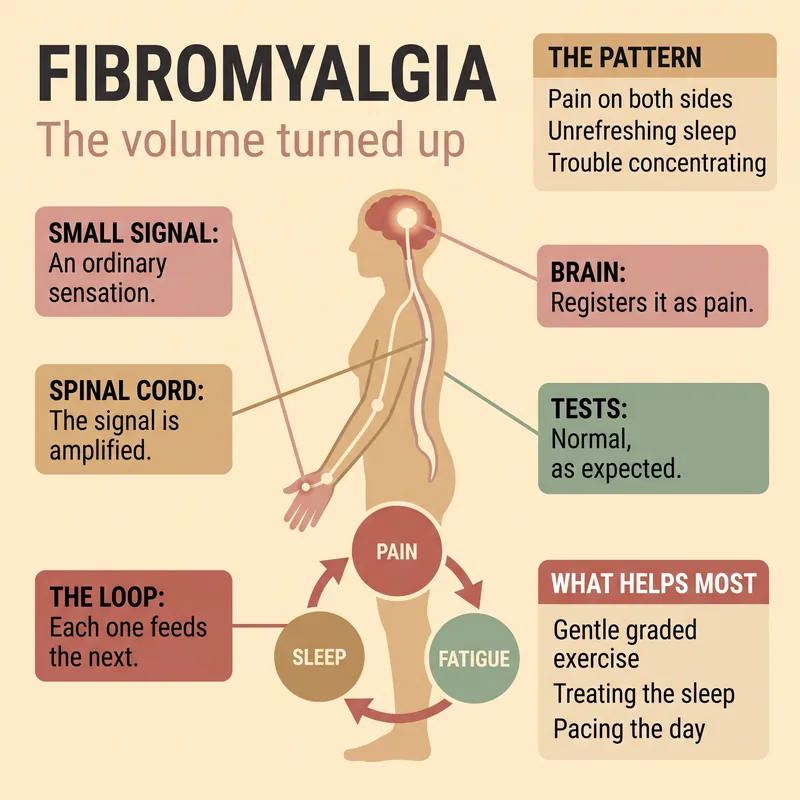
Fibromyalgia
Normal tests are the expected finding, not a failure to find anything. Graded exercise has better evidence here than anything sold in a bottle.
Explore →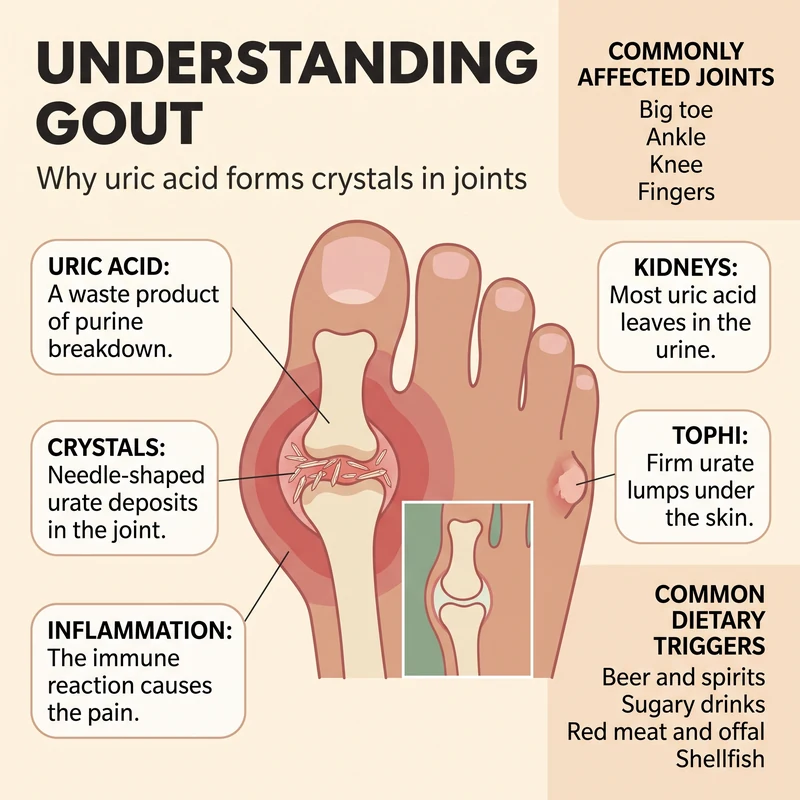
Gout
What you drink matters more than what you eat, and the old advice to avoid spinach and beans was wrong.
Explore →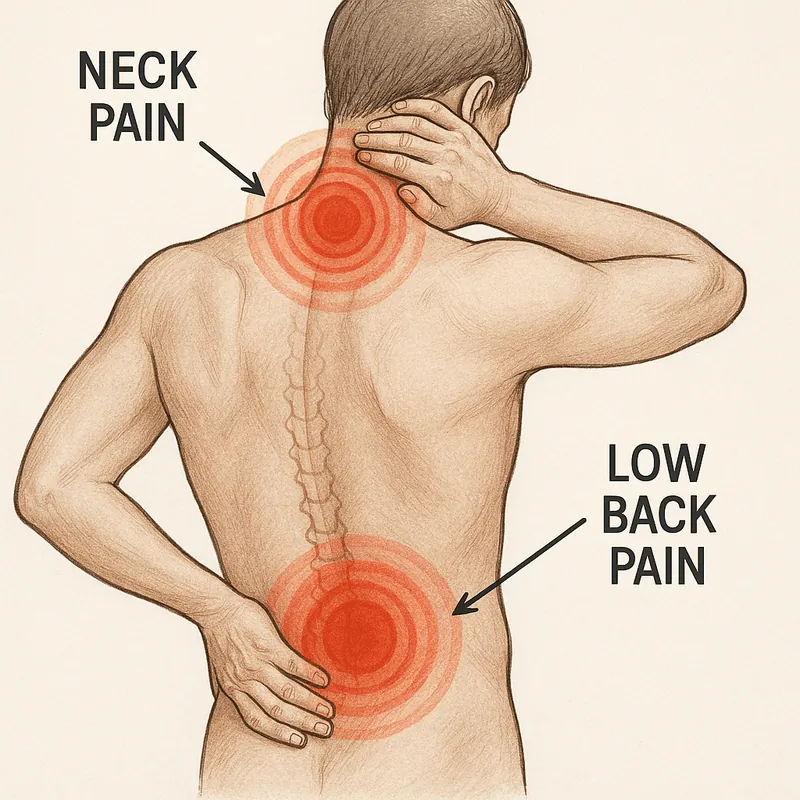
Low Back & Neck Pain
Most common cause of disability worldwide. Inflammation, deconditioning, prolonged sitting.
Explore →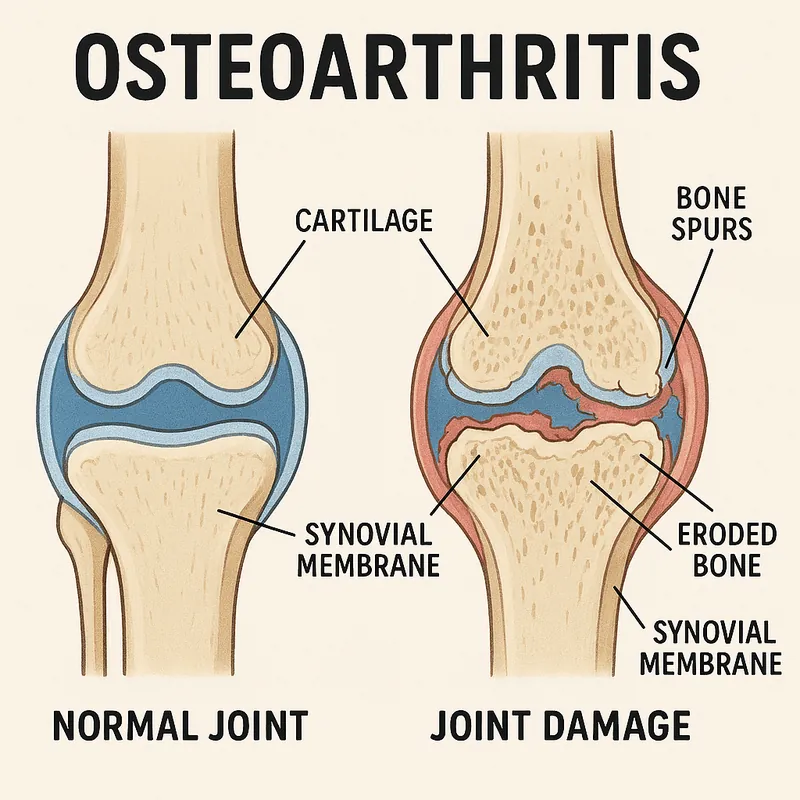
Osteoarthritis
Progressive cartilage breakdown driven by mechanical wear plus chronic low-grade inflammation.
Explore →
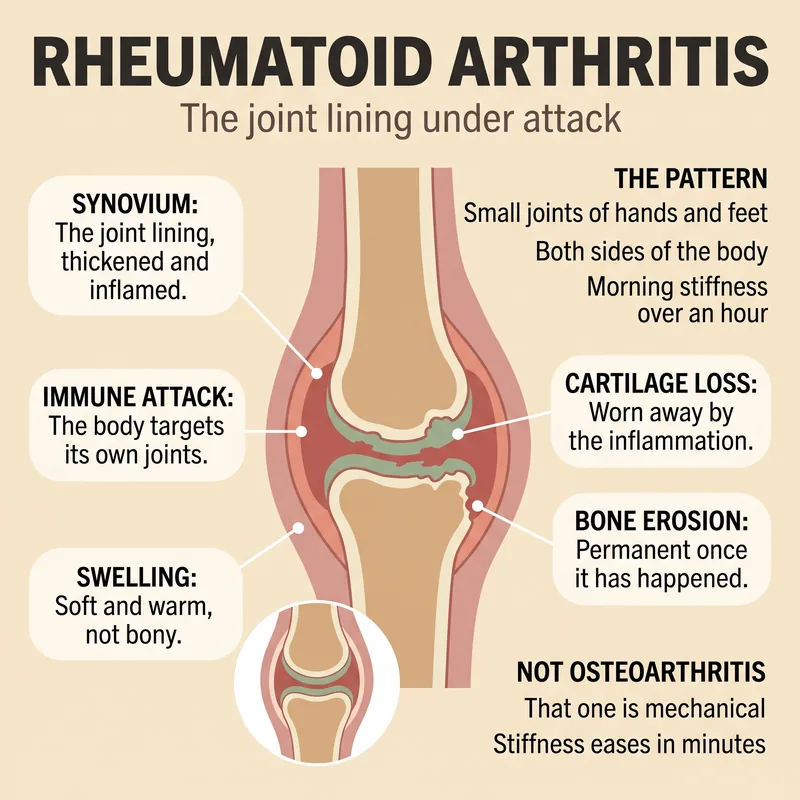
Rheumatoid Arthritis
Diet and omega-3 improve symptoms. Treatment prevents joint destruction, and the difference between those matters in twenty years.
Explore →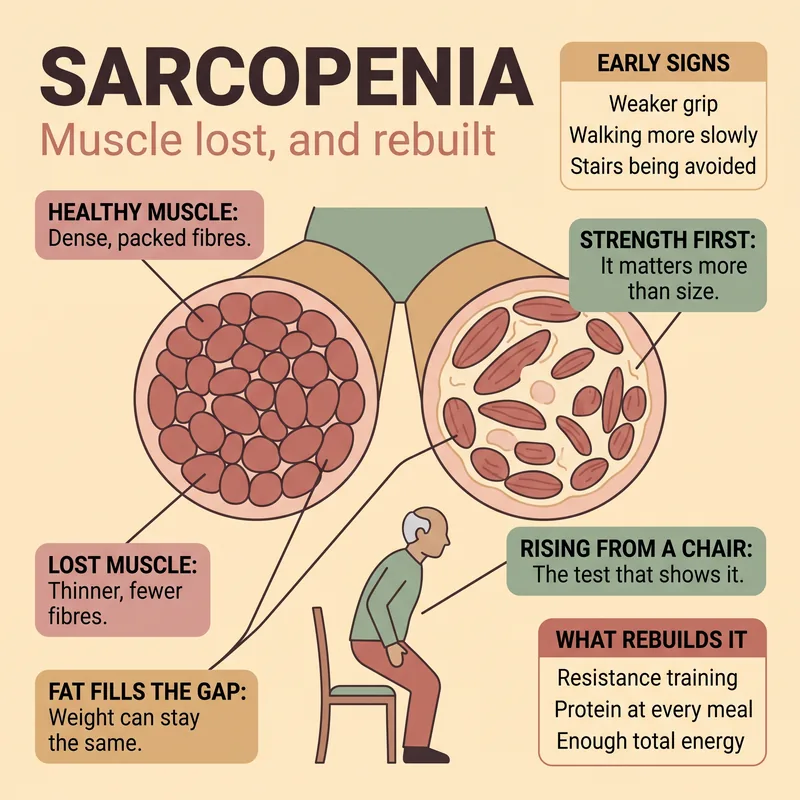
Sarcopenia & Frailty
Muscle loss with age is treated as inevitable and is not. Resistance training is the intervention; protein is the material it works with, not a substitute for it.
Explore →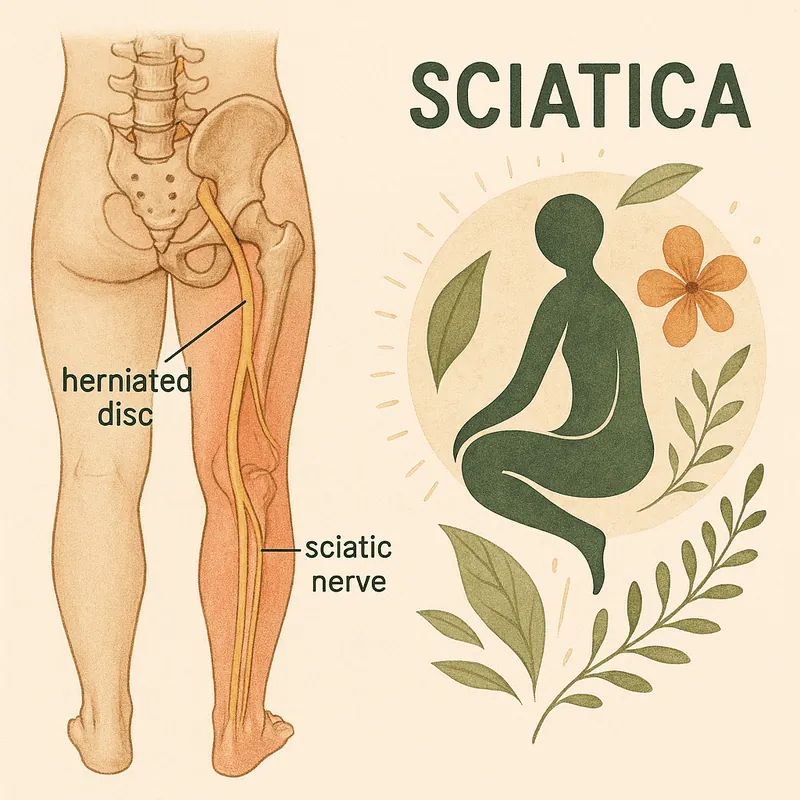
Neurological & Mental Health
Alzheimer's & Dementias
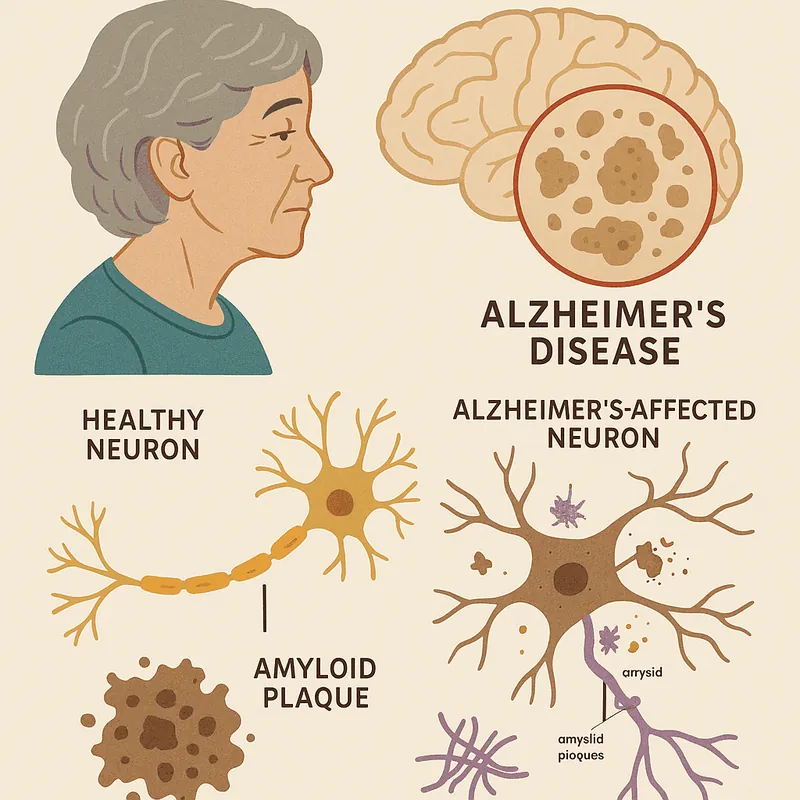
Progressive neurodegeneration. Several modifiable risk factors are linked with dementia risk; no supplement has been shown to prevent it.
Explore →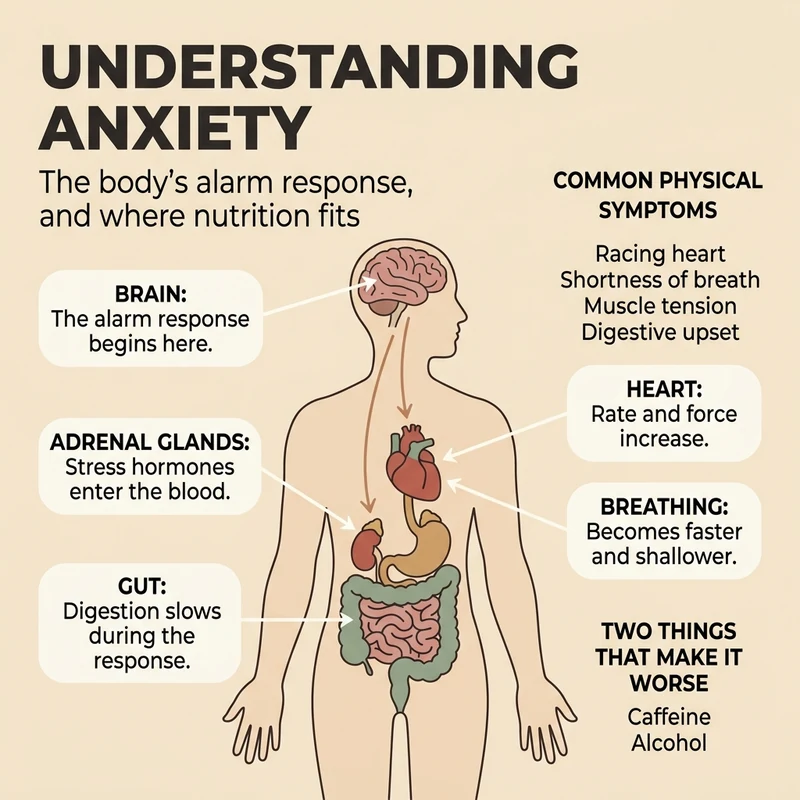
Anxiety
Caffeine and alcohol are the two real dietary levers. The two best-selling calming supplements are the two linked to liver injury.
Explore →
Bipolar Disorder
Alternating manic and depressive episodes. Inflammation and the gut microbiome are being studied, but neither has been shown to drive the illness or to replace treatment.
Explore →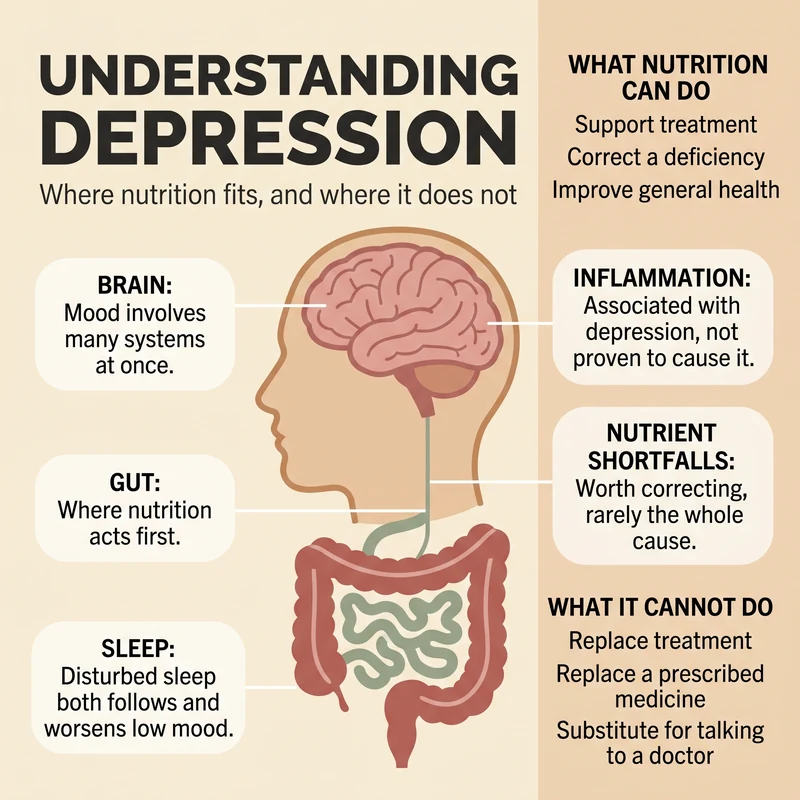
Depression
Nutrition supports treatment for depression and does not replace it. The dietary trial, the negative supplement trials and the St. John's wort interaction.
Explore →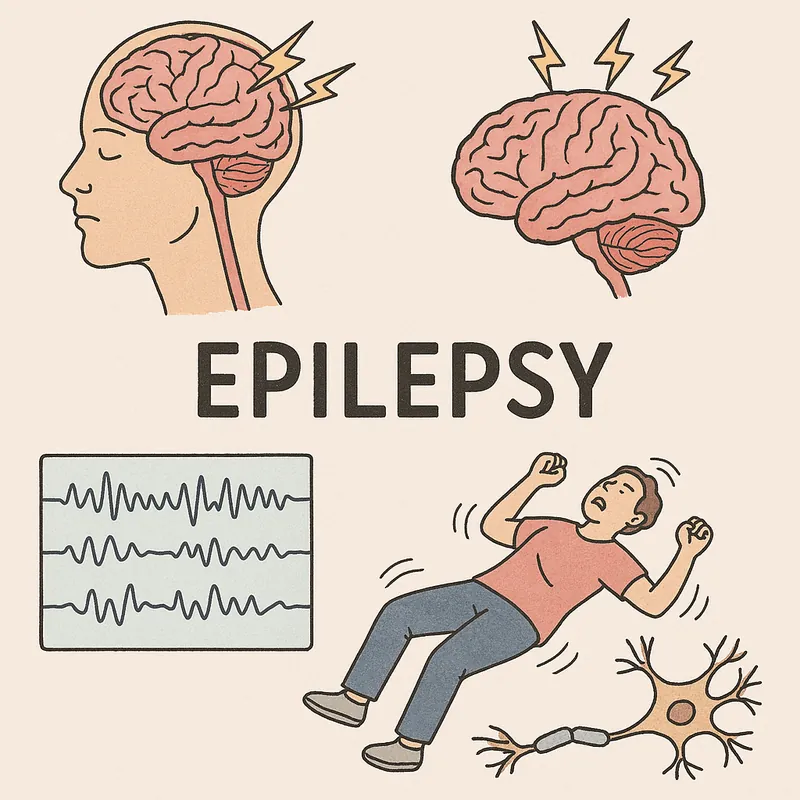
Epilepsy
Recurrent seizures from abnormal brain electrical activity. The ketogenic diet has decades of evidence.
Explore →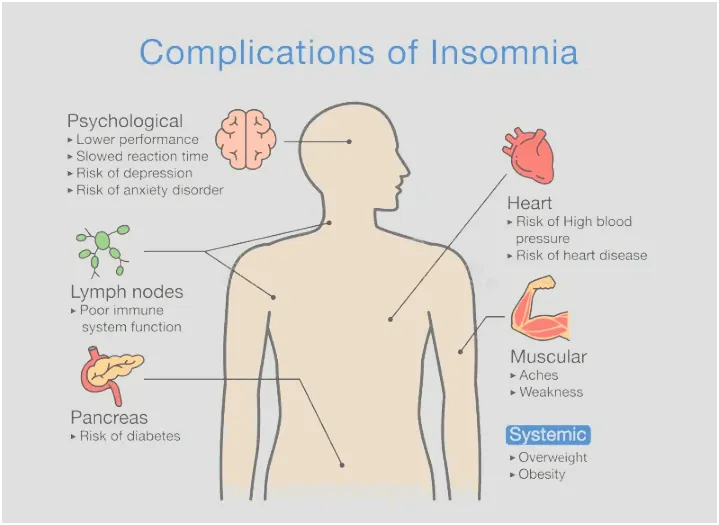
Insomnia
Difficulty falling or staying asleep. Cognitive behavioral therapy for insomnia is the first-line treatment.
Explore →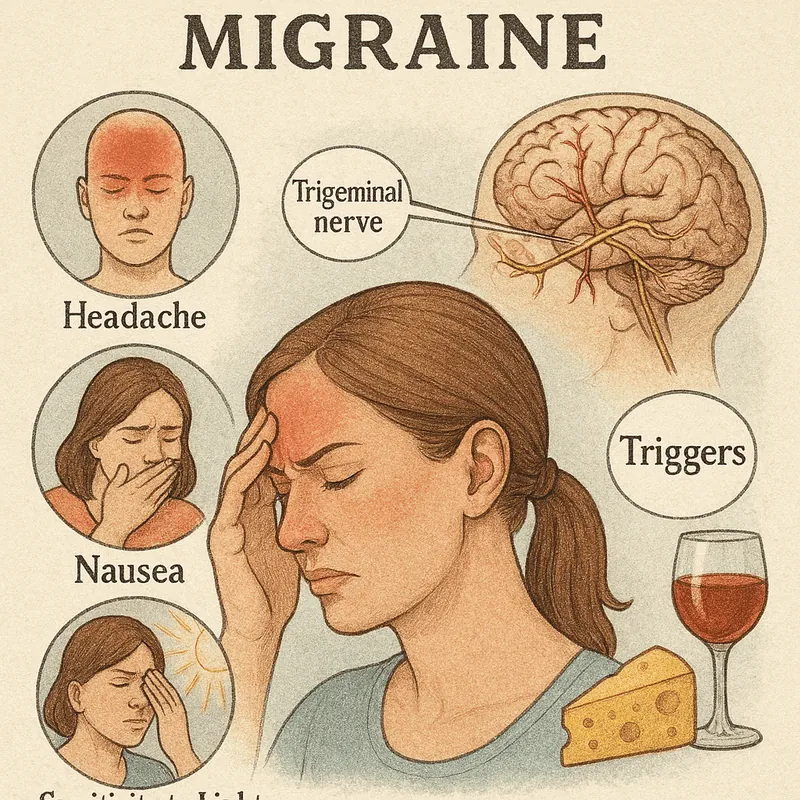
Migraine
Neurological condition, not just a bad headache. Nutrition has a supporting role in prevention.
Explore →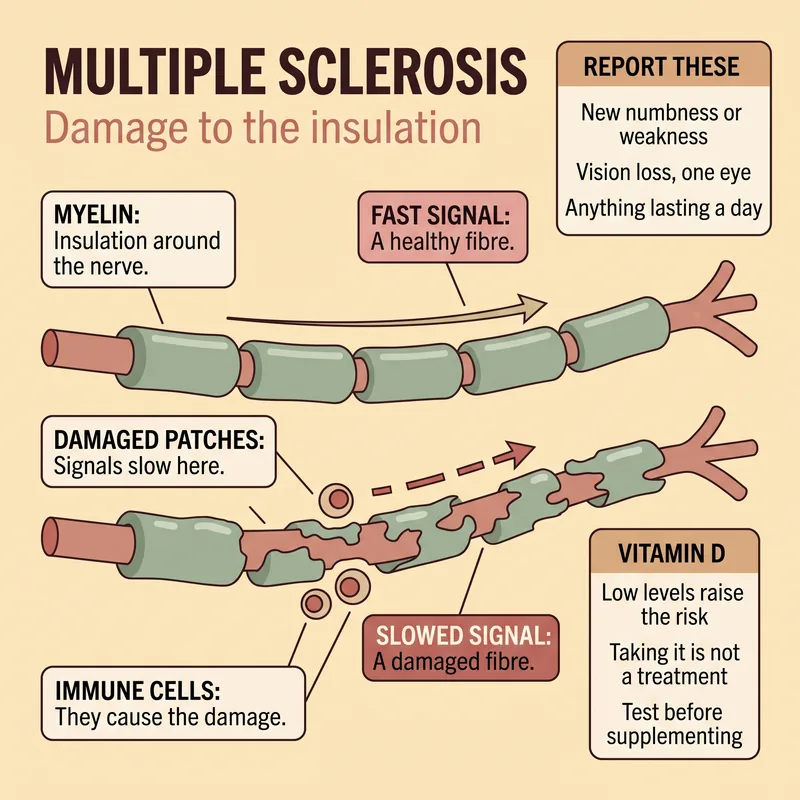
Multiple Sclerosis
Low vitamin D raises the risk of developing MS, and correcting it has not treated the disease. Diet helps fatigue; nothing here replaces treatment.
Explore →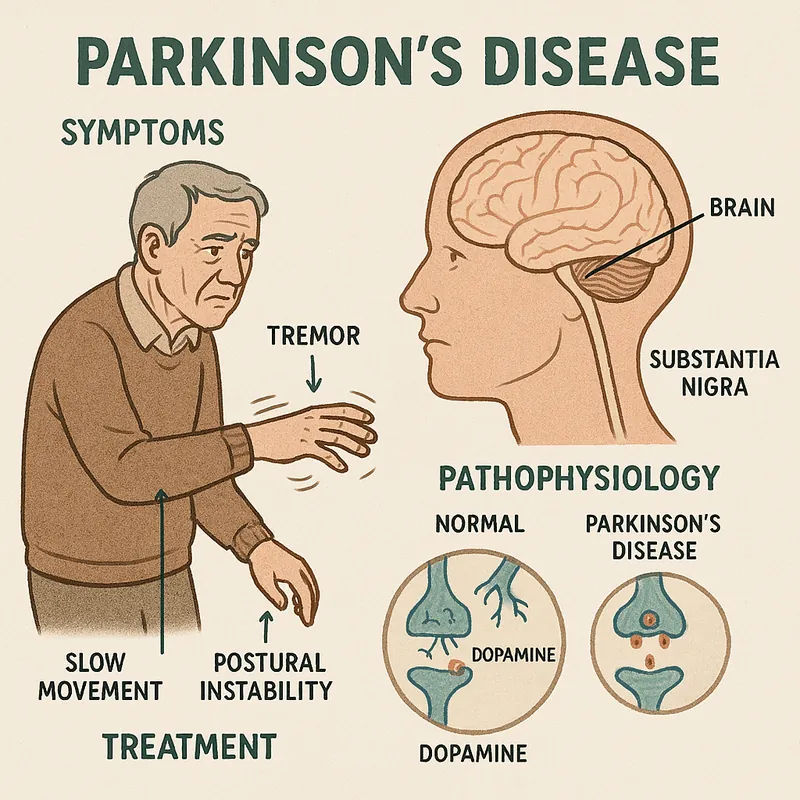
Parkinson's Disease
Progressive movement disorder. A gut-origin hypothesis via the vagus nerve is studied but not established.
Explore →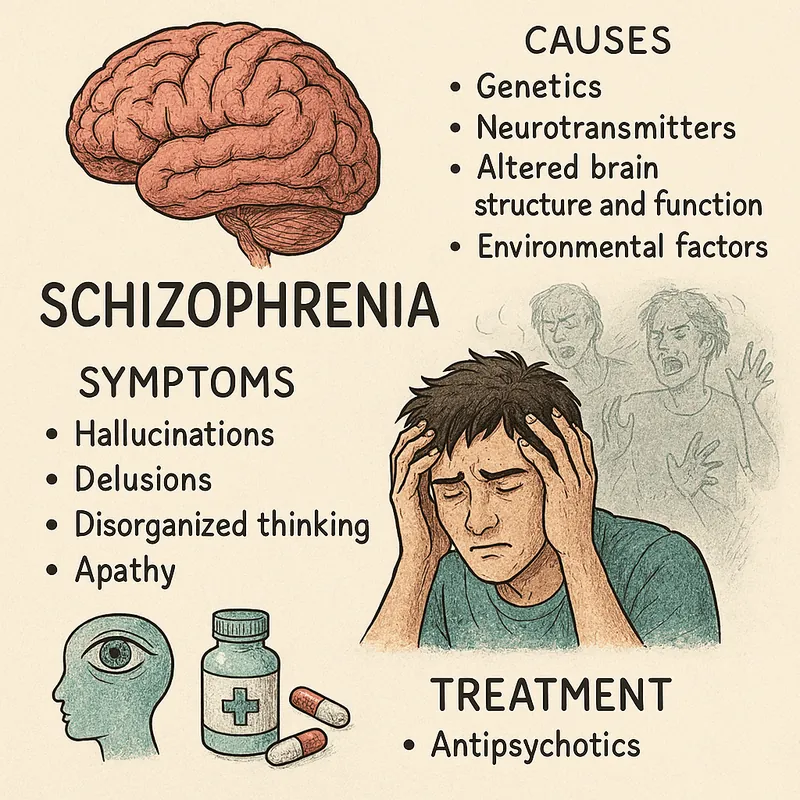
Schizophrenia
Beyond dopamine, research implicates NMDA receptor hypofunction and inflammation. Diet and activity help with antipsychotic-associated weight gain.
Explore →Respiratory
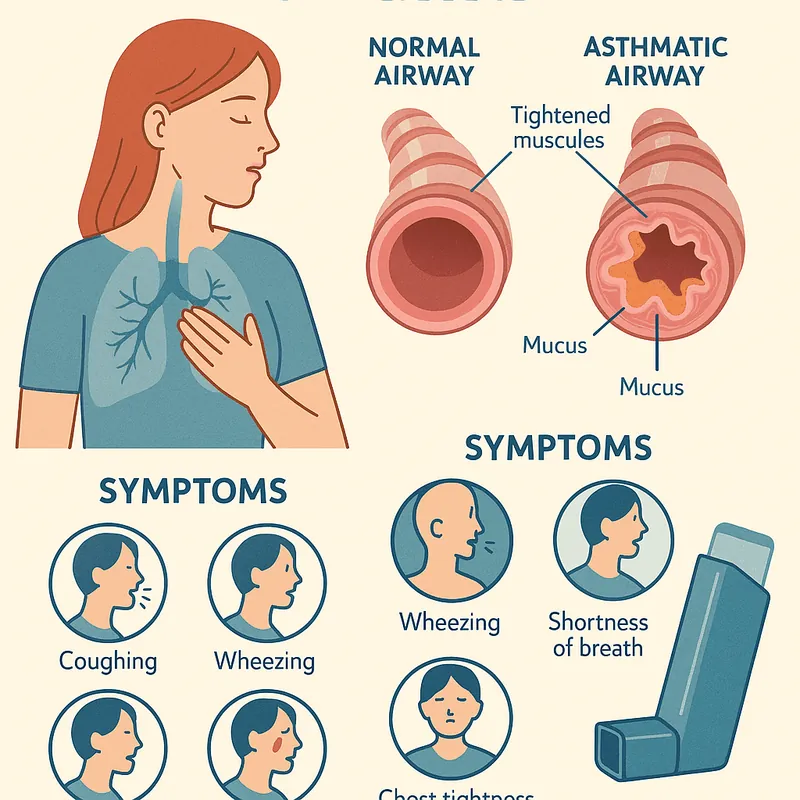
Asthma
Chronic airway inflammation. The gut-lung axis is being studied, but no gut treatment is established for asthma.
Explore →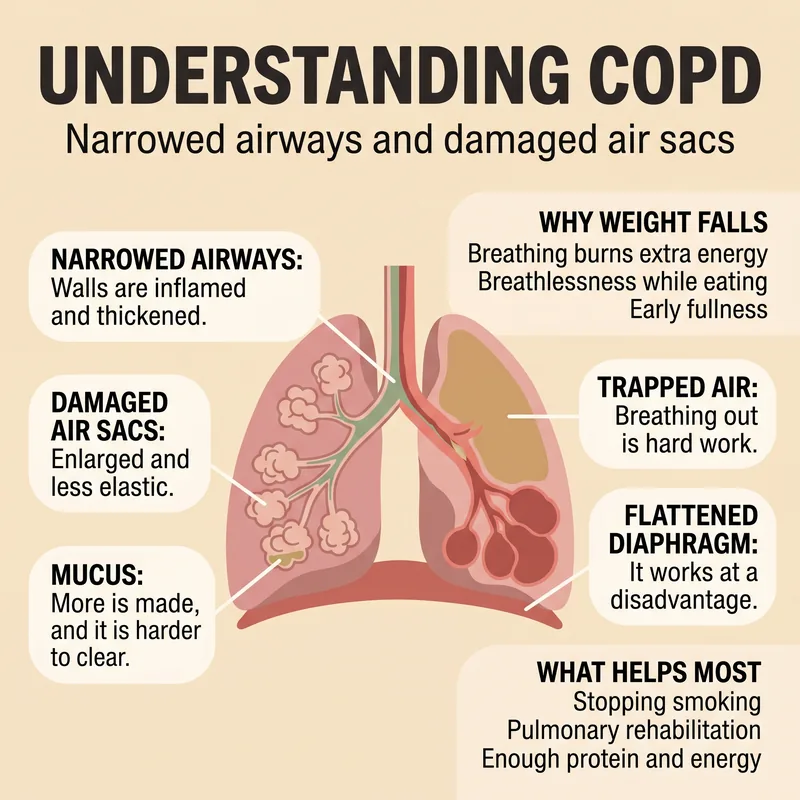
COPD
Here being underweight carries the greater risk. Breathing itself burns energy that many people are not replacing.
Explore →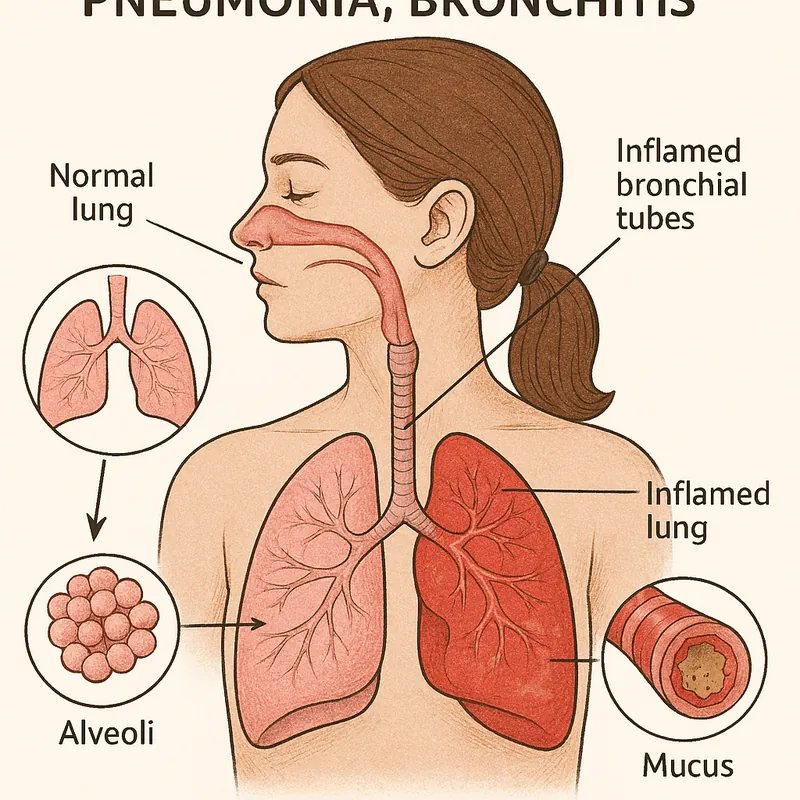
Pneumonia & Bronchitis
Lung or bronchial inflammation from infection. Antibiotics treat bacterial pneumonia; rest, fluids and good nutrition support recovery.
Explore →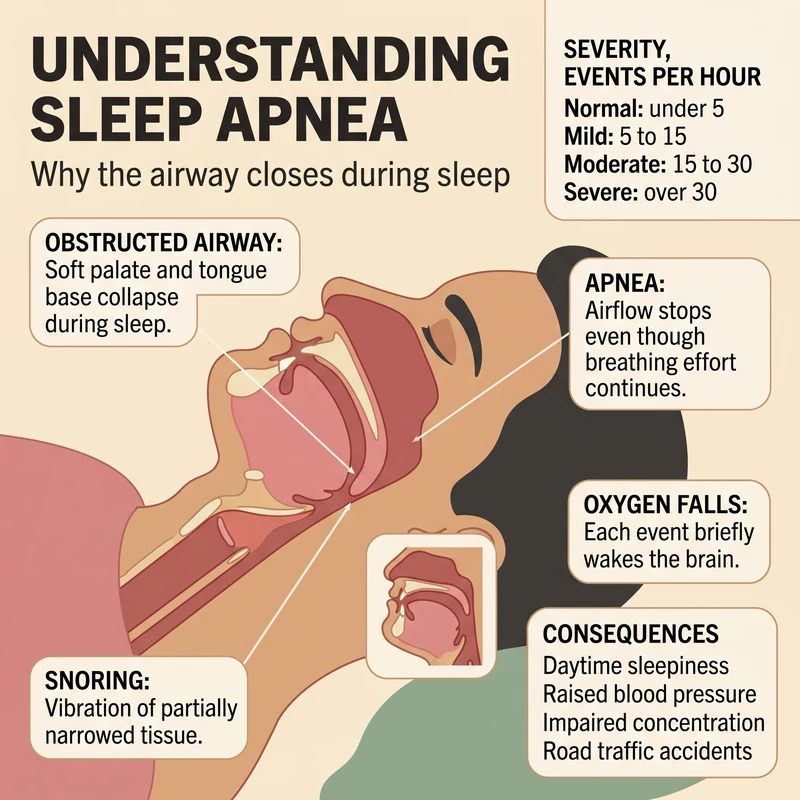
Sleep Apnea
Mostly undiagnosed, and the sleep aid an exhausted person reaches for makes it worse. Weight and alcohol are the two nutritional levers.
Explore →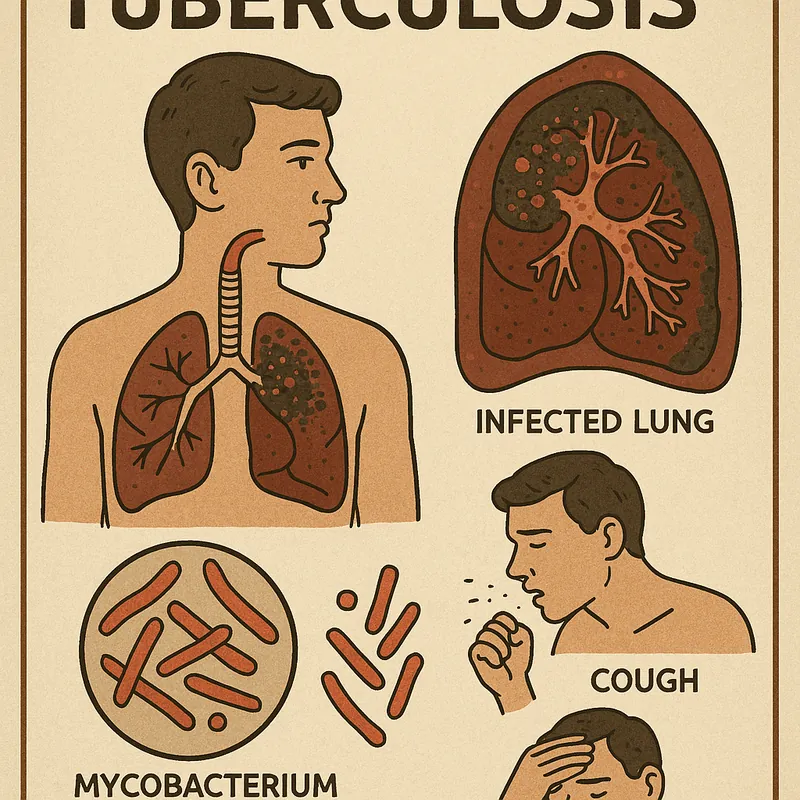
Tuberculosis
Bacterial infection of the lungs. Latent in 25% of the global population. Treatment is curative; correct low vitamin D, but it has not been shown to alter the course of TB.
Explore →