Iron-Deficiency Anemia

The most common nutritional deficiency worldwide. Reduced hemoglobin causes fatigue, brain fog, breathlessness, and cold intolerance. Often a SIGN of underlying gut dysfunction, hypochlorhydria, leaky gut, or chronic GI bleeding, not just inadequate intake.

Kidney & Blood Evidence-Based Root-Cause Focus

Last updated:

What Is Iron-Deficiency Anemia?

Iron-deficiency anemia (IDA) is reduced red blood cell mass and hemoglobin due to insufficient iron stores. Iron is essential for hemoglobin synthesis, without adequate iron, the body cannot produce enough functional red blood cells, leading to inadequate oxygen delivery throughout the body. It is the most common nutritional deficiency worldwide.

Iron deficiency progresses through stages: depleted iron stores (low ferritin, normal hemoglobin) โ†’ iron-deficient erythropoiesis (still low ferritin, normal hemoglobin) โ†’ frank anemia (low hemoglobin). Symptoms can develop at any stage; low ferritin alone causes significant symptoms even before anemia develops.

CRITICAL POINT: Iron-deficiency anemia is a SIGN, not just a diagnosis. The question is always WHY. Common causes include menstruation (women), GI bleeding (men and postmenopausal women, must rule out cancer), inadequate intake (vegetarians/vegans), malabsorption (celiac, hypochlorhydria, H. pylori, PPIs, gastric bypass), and chronic disease. Iron supplements without addressing cause is incomplete care.

โš ๏ธ Always Investigate Cause: Iron-deficiency anemia in adult men, postmenopausal women, or patients with risk factors REQUIRES GI evaluation (upper endoscopy + colonoscopy) to rule out occult malignancy. Don't just supplement, find and treat the cause. Premenopausal women: menstrual loss is usually the cause, but evaluate if heavy bleeding or other risk factors.
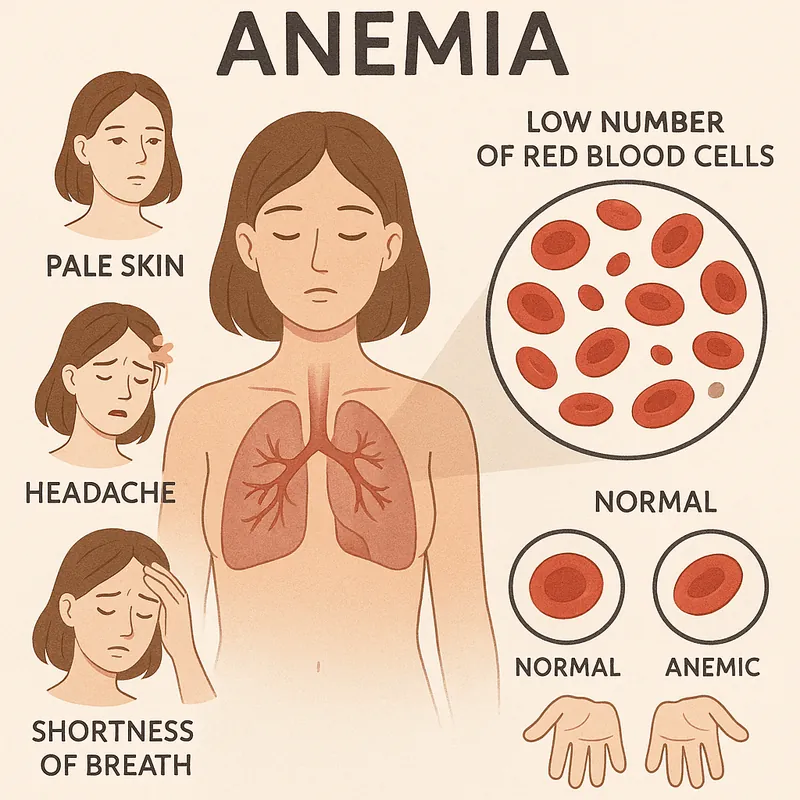
Iron-Deficiency Anemia illustration

Common Causes

๐ŸŒฑ Blood Loss

Menstruation (heavy or normal over years), occult GI bleeding (ulcers, cancer, polyps, hemorrhoids), frequent blood donation, hemorrhagic conditions.

๐ŸŒ— Malabsorption

Celiac disease, H. pylori gastritis, hypochlorhydria (low stomach acid), PPIs, autoimmune gastritis, gastric bypass, inflammatory bowel disease.

๐ŸŒ‘ Inadequate Intake

Vegetarians/vegans (plant iron less bioavailable), restrictive diets, pregnancy/lactation increased needs, infants and toddlers high needs.

~33%
Of global population with anemia (mostly IDA)
~10%
US women of reproductive age with IDA
~3%
Of postmenopausal women + adult men, must investigate
~50%
Of pregnant women globally have IDA

Symptoms of Iron Deficiency

Many people are surprised that low ferritin without anemia can cause significant symptoms. Iron is needed for energy production, cognition, thyroid function, and more.

๐Ÿ˜ด Energy & Cognitive

๐Ÿ˜ด

Profound Fatigue

Disproportionate to activity. Often the dominant symptom. May develop gradually so patients don't notice. Improves dramatically with iron repletion.

๐ŸŒซ๏ธ

Brain Fog & Poor Concentration

Difficulty concentrating, poor memory, "fuzzy thinking." Iron is essential for neurotransmitter synthesis. Impacts work performance, learning.

๐Ÿ˜ฎโ€๐Ÿ’จ

Shortness of Breath / Exercise Intolerance

With exertion (climbing stairs, walking). Worse than expected for fitness level. Reduced oxygen delivery to tissues.

๐Ÿ’—

Rapid Heart Rate / Palpitations

Compensatory tachycardia. Heart pumps faster to compensate for reduced oxygen-carrying capacity. May feel like "racing heart" at rest.

๐Ÿ” Specific Iron Deficiency Signs

๐Ÿฆถ

Restless Legs Syndrome

Strong urge to move legs, especially at night. Highly responsive to iron repletion. Always check iron status in RLS patients (ferritin target >75 ng/mL).

๐ŸงŠ

Pica (Ice / Unusual Cravings)

Compulsive ice eating (pagophagia) is characteristic. Also dirt, clay, paper, raw starch. Pathognomonic for iron deficiency. Resolves with treatment.

๐Ÿ’…

Nail & Hair Changes

Spoon-shaped nails (koilonychia), brittle nails, hair thinning/loss. Hair loss may be diffuse. May be sole presenting symptom.

๐Ÿ˜ถ

Pale Skin, Mucous Membranes, Cracked Lips

Pallor (especially inside lower eyelids, palms). Angular cheilitis (cracking at corners of mouth). Glossitis (smooth, sore tongue). Cold hands and feet.

How Iron Deficiency Is Diagnosed

๐Ÿฉธ Iron Studies

๐Ÿงช Ferritin (Most Sensitive)

Reflects iron stores. <30 ng/mL = iron deficiency; <15-20 = definitive. Target for repletion: >50 ng/mL (or >75 for symptoms). CAUTION: falsely elevated in inflammation.

๐Ÿงช CBC (Complete Blood Count)

Microcytic (low MCV), hypochromic (low MCH) anemia. RDW elevated (variable size). Mild anemia: hemoglobin 10-12. Severe: <8.

๐Ÿงช Iron, TIBC, Transferrin Saturation

Serum iron low, TIBC high, transferrin saturation <20% in IDA. Less reliable than ferritin. Vary throughout day.

๐Ÿงช Reticulocyte Count

Low in iron deficiency. Distinguishes from hemolysis. Rises rapidly after iron repletion (sign treatment is working).

๐Ÿ” Cause Investigation

๐Ÿ”ฌ Upper Endoscopy + Colonoscopy

REQUIRED in adult men, postmenopausal women, premenopausal women with risk factors. Rules out occult GI malignancy, ulcers, celiac.

๐Ÿงช Celiac Disease Screen

Tissue transglutaminase IgA + total IgA. ~5% of unexplained IDA is celiac disease. Should be screened in all unexplained IDA.

๐Ÿงช H. pylori Testing

Causes occult bleeding and reduced iron absorption. Stool antigen, urea breath, biopsy testing. Treat if positive.

๐Ÿฉบ Menstrual History (Women)

Heavy menstrual bleeding (HMB) screen, >80mL blood loss/cycle. Common but underdiagnosed cause. May need gynecology evaluation.

Holistic vs. Conventional Treatment

๐ŸŒฟ HOLISTIC
๐Ÿ’Š CONVENTIONAL
๐ŸŒฟ

Holistic / Functional Approach

Address ROOT CAUSE while supplementing. Often gut function (absorption) matters more than intake.

Root Cause Focus
Find WHY, bleeding source, malabsorption, intake, and address it
Absorption Optimization
Stomach acid support, address H. pylori, treat celiac, pair iron with vitamin C, away from coffee/tea/calcium
Form Matters
Heme iron from food best absorbed. Iron bisglycinate causes fewer side effects than ferrous sulfate.
Monitoring
Recheck ferritin 3 months; full restoration takes 3-6 months
Comprehensive Approach
  • Identify and treat root cause, heavy menses (gyn workup, hormone management), GI bleeding (endoscopy/colonoscopy), malabsorption (celiac testing, H. pylori, address hypochlorhydria)
  • Heme iron from foods (best absorbed): red meat (especially liver), oysters, sardines, dark poultry meat. 2-3 servings weekly.
  • Non-heme iron foods: lentils, beans, spinach, pumpkin seeds, tofu, fortified cereals. Less bioavailable but valuable.
  • Vitamin C pairing, increases non-heme iron absorption 3-6x. Add citrus, peppers, strawberries to plant-iron meals.
  • Cooking in cast iron, increases iron content of food (especially acidic foods like tomato sauce)
  • Iron bisglycinate, chelated iron form, fewer GI side effects, better absorbed than ferrous sulfate. 25-50mg elemental iron daily.
  • Alternate-day dosing, emerging evidence that alternate-day iron dosing improves absorption (less hepcidin block) and reduces side effects
  • Avoid these with iron: coffee, tea, calcium supplements, dairy, antacids, calcium-rich foods (separate by 2+ hours)
  • Support stomach acid if hypochlorhydric: betaine HCl with meals (caution if ulcers/H. pylori), apple cider vinegar before meals
  • Treat H. pylori if positive, improves iron absorption significantly
  • Address PPI use if possible, PPIs reduce iron absorption
  • Cofactors for RBC production: vitamin B12, folate, vitamin C, copper
  • Recheck ferritin 3 months after starting; treat for 3-6 months past hemoglobin normalization to refill stores
  • Vegetarians/vegans: heavier reliance on supplementation; pair non-heme iron with vitamin C; consider B12 supplementation as well
  • Pregnancy: prenatal vitamins typically have iron; may need additional supplementation if deficient
  • Adolescent girls: especially vulnerable; check ferritin during heavy menses or athletic activity
โœ… Key Insight: Iron-deficiency anemia is often a sign of GUT DYSFUNCTION, not just inadequate intake. Address absorption issues, hypochlorhydria, H. pylori, celiac, PPI use, leaky gut, while supplementing. Otherwise you'll need lifelong iron supplements without fixing the underlying problem.

Diet for Iron Repletion

Heme iron foods most bioavailable. Pair non-heme with vitamin C. Avoid inhibitors with iron-containing meals.

โœ… Prioritize:

๐Ÿฅฉ Red Meat & Organ Meats

Liver (highest iron + B vitamins), red meat 2-3x/week. Heme iron, 15-35% absorbed (vs 2-20% for plant iron).

๐Ÿฆช Shellfish (Oysters, Clams, Mussels)

Very high iron content. Also zinc, B12, copper. Excellent choice for iron repletion.

๐Ÿ‹ Vitamin C with Iron Meals

Citrus, peppers, strawberries, kiwi, broccoli. Increases non-heme iron absorption 3-6x. Always pair with plant iron sources.

๐Ÿซ˜ Lentils, Beans, Pumpkin Seeds

Best plant iron sources. Pair with vitamin C. Soaking/sprouting reduces phytate inhibitors.

๐ŸŒฟ Dark Leafy Greens

Spinach, kale, Swiss chard. Cook well (reduces oxalate). Pair with vitamin C. Iron + folate.

โŒ Separate from Iron:

โ˜• Coffee, Tea, Cocoa

Tannins inhibit iron absorption by 50-90%. Avoid for 1-2 hours before/after iron-rich meals or supplements.

๐Ÿฅ› Dairy / Calcium

Calcium competes with iron for absorption. Separate dairy and calcium supplements from iron by 2+ hours.

๐Ÿฅœ Phytate-Rich Foods (Excess)

Bran, raw nuts/seeds, unsoaked legumes. Phytates block iron absorption. Soak, sprout, ferment to reduce.

๐Ÿ’Š PPIs / Antacids

Reduce stomach acid needed for iron absorption. Discuss with doctor, many PPI users have unrecognized iron deficiency.

๐Ÿท Heavy Alcohol

Damages gut, interferes with absorption. Causes anemia through multiple mechanisms. Limit during treatment.

Evidence-Based Supplements

Iron form, dose, and timing matter. Iron bisglycinate often better tolerated. Alternate-day dosing may improve absorption.

SupplementMechanism & EvidenceSuggested DoseTimingNotes
Iron Bisglycinate (Chelated)Better tolerated than ferrous sulfate. Less constipation, nausea. Possibly better absorbed.25-50mg elemental iron daily OR every other dayEmpty stomach with vitamin CBest first-line for sensitive stomachs.
Ferrous Sulfate (Traditional)Most studied form. Inexpensive. Effective but causes GI side effects.325mg (65mg elemental iron) once daily OR alternate daysEmpty stomach if toleratedSide effects: nausea, constipation, dark stools. Start with food if needed.
Heme Iron PolypeptideFrom animal source. Best absorbed. No GI side effects typically.10-15mg elemental iron 2-3x/dayWith or without foodMore expensive but well-tolerated. Brand: Proferrin.
Vitamin CEnhances iron absorption 3-6x. Especially helpful with non-heme iron.250-500mg with iron doseWith ironFood sources work too (orange juice, lemon water).
LactoferrinIron-binding protein. May increase iron absorption and improve symptoms even without raising hemoglobin much.100-300mg/dayEmpty stomachEspecially useful in inflammatory conditions.
Vitamin B12Required for RBC maturation. Often co-existing deficiency.1,000mcg/day sublingualMorningTest level. Methylcobalamin form preferred.
Folate (B9)Required for RBC production. Often combined with iron in prenatals.400-800mcg methylfolate/dayWith foodHigher doses for pregnancy or MTHFR variants.
CopperRequired for iron mobilization from stores. Deficiency causes anemia.1-2mg/day (rarely needed if eating varied diet)With food, away from zincWatch if taking high zinc, can deplete copper.

Find the Cause, Then Replete

Iron-deficiency anemia is rarely "just diet." Always identify the cause, bleeding, malabsorption, or intake. Treatment requires both addressing the cause and adequate iron repletion (often 3-6 months). Don't accept ongoing iron supplementation without finding and treating the underlying problem.