Clean Keto, The Whole-Food Ketogenic Lifestyle

A very-low-carb, high-fat, moderate-protein way of eating built on grass-fed meats, pastured eggs, wild fish, leafy greens, and traditional fats. The clean version emphasizes real food and nutrient density, distinguishing it sharply from "dirty keto," which leans on processed meats, artificial sweeteners, and seed oils.

🥩 Grass-Fed & Pastured 🥬 7–10 Cups Vegetables Daily 🥑 Traditional Fats Only ⏱️ Intermittent Fasting Friendly ⚡ Electrolyte-Aware

How Many Americans Follow This Lifestyle?

~5%
of US adults follow a ketogenic or low-carb diet (≈ ~13 million people)
~13%
of Americans have tried keto at least once

Sources: IFIC Food & Health Survey, 2020; Statista, 2020. Self-reported adherence varies widely across surveys; figures are approximate.

What Is Clean Keto?

Keto is a very-low-carb eating pattern (typically under 20–50g net carbs per day) that shifts the body's primary fuel from glucose to fat-derived ketones. The "clean" version means whole, traditional, nutrient-dense foods only, no industrial seed oils, no fake sweeteners, no protein bars, and a strong emphasis on vegetables.

The ketogenic diet was originally developed at the Mayo Clinic in the 1920s as a medical therapy for refractory pediatric epilepsy and is still used in that role today. It re-entered the mainstream through Atkins in the 1970s, was scientifically refined by Stephen Phinney and Jeff Volek (The Art and Science of Low Carbohydrate Living, 2011), and was popularized as a whole-food approach by Dr. Eric Berg ("Healthy Keto") and Dr. Joseph Mercola, who both emphasize the importance of pasture-raised animal foods and abundant vegetables.

The core insight is metabolic: when carbohydrate is restricted enough that the liver runs low on glycogen, it begins producing ketone bodies (β-hydroxybutyrate, acetoacetate, acetone) from fatty acids. These ketones can fuel the brain, heart, and muscles, and they signal a number of beneficial pathways including AMPK and FoxO activation, mTOR suppression, and BDNF release.

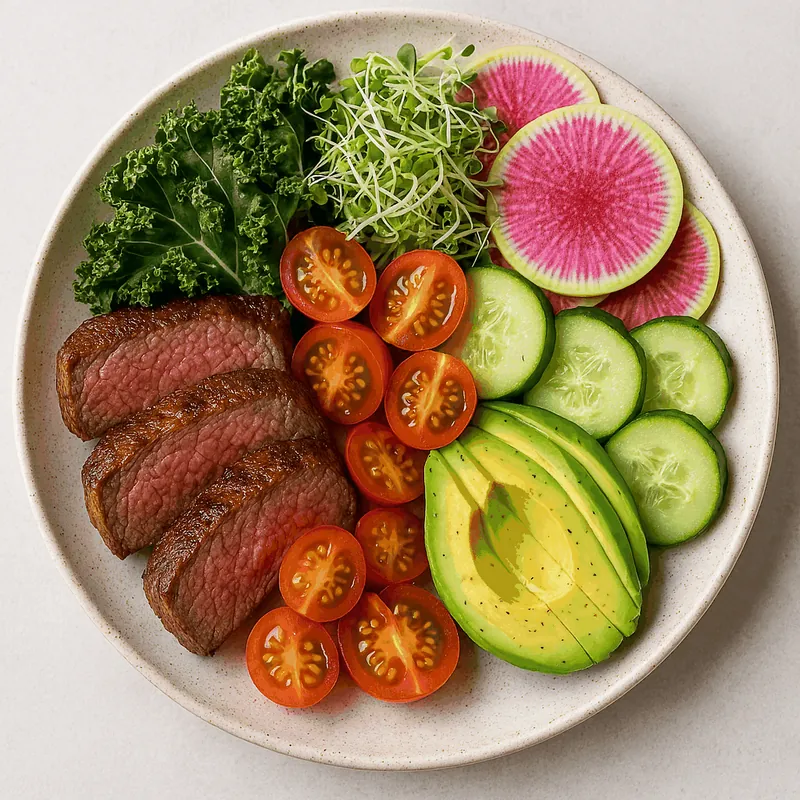
Whole-food keto bowl with grass-fed meat, leafy greens, avocado and watermelon radish

Clean Keto vs. Dirty Keto vs. Standard Keto

🌱 Clean Keto (Healthy)

Pastured eggs, grass-fed meats, wild fish, organ meats, leafy greens, cruciferous, avocado, olive oil, ghee, coconut oil, nuts. 7+ cups of vegetables per day. Strong nutrient density.

🌗 Standard Keto

Macros are correct but quality is ignored. Conventional meat, dairy, butter, cheese. Vegetable intake is often minimal. Works for weight loss but misses long-term nutrient density.

🌑 Dirty Keto

Processed bacon, hot dogs, "keto" snack bars, artificial sweeteners, seed oils. Hits the macros but is inflammatory and nutrient-poor. Tends to backfire over months.

Six Core Principles

🌾

1. Real Food Only

If your great-grandmother wouldn't recognize it as food, it doesn't belong on the plate. No "keto" bars, no diet sodas, no seed-oil snacks. The label "keto" on a wrapper is the strongest possible signal that the product is processed.

🫒

2. Quality of Fat Matters

Eat traditional fats: extra-virgin olive oil, grass-fed butter, ghee, tallow, lard from pastured pork, coconut oil, MCT oil, avocado oil. Eliminate industrial seed oils (soybean, canola, corn, cottonseed, sunflower), these are the deepest dietary problem.

🥬

3. Vegetables Are Non-Negotiable

Dr. Berg's signature emphasis: 7–10 cups of vegetables per day, primarily leafy greens and cruciferous. This is where the potassium, magnesium, vitamin C, vitamin K1, folate, and fiber come from. Skipping vegetables turns keto into a deficiency diet.

🐟

4. Pastured / Wild Protein

Grass-fed beef, pastured eggs, pastured pork, wild-caught small fish (sardines, anchovies, wild salmon). Don't fear protein, but don't overshoot it: ~0.7–1.0 g per pound of lean mass is the typical range.

5. Electrolyte Awareness

As insulin drops, the kidneys excrete more sodium. Without aggressive electrolyte replacement you get the "keto flu": fatigue, cramps, headache, palpitations. Target: ~5g sodium, 4–5g potassium, 400–600mg magnesium daily, especially in the first weeks.

⏱️

6. Intermittent Fasting Integration

Clean keto pairs naturally with time-restricted eating (often 16:8 or one-meal-a-day). Lower insulin and longer fasting periods amplify the metabolic, autophagy, and cognitive benefits. Both Berg and Mercola heavily emphasize this combination.

What to Eat & What to Skip

✅ Build Meals Around:

🥩 Pastured Animal Foods

Grass-fed/finished beef, pastured eggs (2–6/day), pastured pork, lamb, bison, wild salmon, sardines, anchovies, mackerel, oysters. Organ meats 1–2x/week (liver is the most nutrient-dense food on earth).

🥬 Above-Ground Vegetables

Spinach, kale, romaine, arugula, broccoli, cauliflower, cabbage, Brussels sprouts, zucchini, asparagus, peppers, celery, cucumber, mushrooms. Some root vegetables in moderation (radishes, turnips).

🥑 Traditional Fats

Extra-virgin olive oil, avocado oil, coconut oil, MCT oil, grass-fed butter, ghee, tallow, duck fat, pastured lard. Avocados, olives, nuts (macadamia, pecan, walnut, brazil), and seeds (chia, flax, pumpkin).

🧂 Fermented & Functional

Sauerkraut, kimchi, fermented pickles, plain coconut yogurt or grass-fed kefir, bone broth, raw apple cider vinegar.

🍓 Small Amounts of Low-Carb Fruit

Berries (raspberries, blackberries, strawberries, blueberries, moderate), lemons, limes. Saved for after fat-adaptation; usually 1/4–1/2 cup as needed.

❌ Eliminate or Strictly Limit:

🌽 Industrial Seed Oils

Soybean, canola, corn, cottonseed, sunflower, safflower, "vegetable" oil, margarine. The single most important elimination. Found in virtually every restaurant meal and processed food.

🍬 Refined Sugar & Sweeteners

Sugar, high-fructose corn syrup, agave, honey (mostly), maple syrup. Also: aspartame, sucralose, acesulfame-K, these disrupt the microbiome and keep sweet cravings alive. Allowed: small amounts of stevia, monk fruit, allulose.

🌾 Grains

Wheat, oats, rice, corn, quinoa, and all flours made from them. Also: bread, pasta, pastries, cereal, granola, "keto" bread products that use processed wheat-protein isolates.

🫘 Most Legumes

Beans, lentils, chickpeas, peanuts, carb content is too high for ketosis. Soybean products especially should be limited (most are GMO + seed-oil processed).

📦 "Keto-Labeled" Processed Foods

Bars, cookies, ice cream, chips, cereals, breads marketed as keto. Most contain wheat protein isolates, gums, fake sweeteners, and oxidized seed oils. The label is a warning sign, not a green light.

🥛 Conventional Dairy

Skip or strongly limit milk and cheese from grain-fed, hormone-treated cows. If using dairy: grass-fed butter, ghee, raw cheese, and fermented dairy (kefir, full-fat yogurt) from pastured animals.

Sample 1-Day Clean Keto Pattern

A typical 16:8 day. Adapt timing, portions, and macros to your individual context.

7:00, 11:00 AM · Fasted Window
🌅 Morning, Just Water, Electrolytes, Coffee

No food. Drink water with a pinch of pink salt, lemon juice, and (optional) a quality electrolyte mix. One cup of black coffee, espresso, or tea is fine, no sweeteners, no creamers, no MCT-oil bullet (the bullet versions break the fast and tend to slow weight loss).

Morning keto ritual: warm water with pink salt and lemon, black coffee
Morning Ritual

16 oz water with a pinch of pink Himalayan salt + 1/2 lemon's juice · 1 cup of black coffee (90 min after waking) · optional electrolyte sachet (sodium + potassium + magnesium). No food, no sweeteners, no creamers. This is the simplest possible practice and the foundation of the day.

11:00 AM, 12:00 PM · Meal 1 (Break-Fast)
🥑 Late-Morning Plate

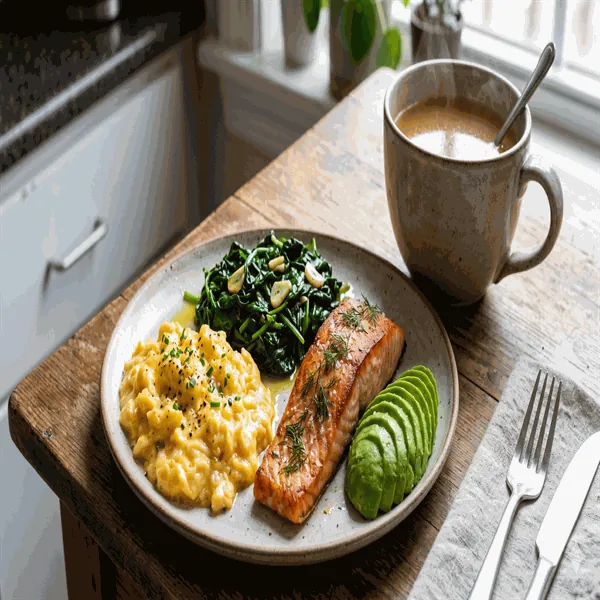
3 pastured eggs scrambled in 1 tbsp ghee · 2 cups sautéed spinach in olive oil with garlic · 1/2 avocado · 4 oz wild salmon or 2 slices nitrate-free pastured bacon · large mug of plain bone broth. If hungrier, add another egg or extra greens. Macros land around 30g fat, 30g protein, 5–8g net carbs.

Keto break-fast plate with pastured eggs, sautéed spinach, avocado, and wild salmon
🥑 Sample Break-Fast, Meal 1

Eggs · greens · avocado · wild salmon or pastured bacon · bone broth. All real-food fats and proteins. Bone broth adds collagen, glycine, and electrolytes; the greens cover potassium, magnesium, folate, and vitamin K.

5:30, 6:30 PM · Meal 2 (Dinner)
🥩 Evening Plate

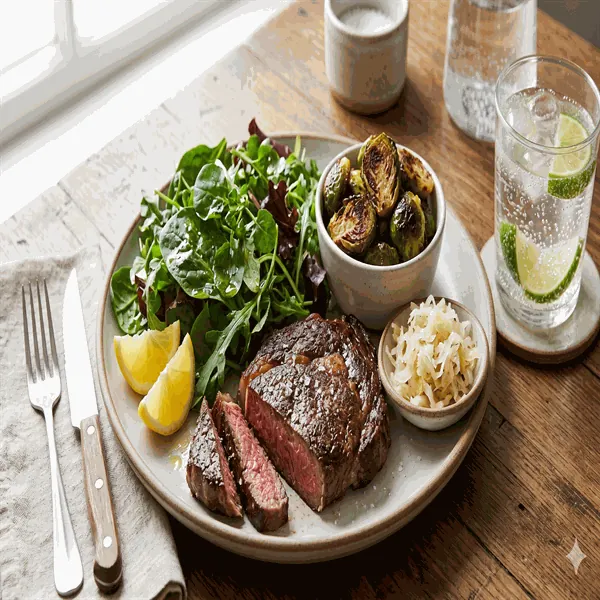
6–8 oz grass-fed ribeye or wild salmon · 3 cups mixed leafy greens with extra-virgin olive oil + lemon · 1 cup roasted Brussels sprouts or broccoli in ghee · small side of fermented sauerkraut · sparkling water with lime. Optionally: 1/4 cup berries with a tablespoon of full-fat coconut yogurt for dessert.

Keto early dinner with grass-fed steak, leafy greens, roasted Brussels sprouts and sauerkraut
🥩 Sample Early Dinner, Meal 2

Grass-fed steak (or wild salmon) · big leafy salad with olive oil + lemon · roasted cruciferous in ghee · fermented sauerkraut. Eating early (5:30–6:30 PM) gives you a 13–14 hour overnight fast before the next morning's water-and-electrolyte ritual.

8:00, 11:00 PM · Closing the Eating Window
🌙 No Food, Electrolyte Sip Before Bed

Stop eating at least 3 hours before sleep to allow blood sugar to settle and growth hormone to rise overnight. A glass of water with sea salt + magnesium glycinate can prevent overnight cramps and improve sleep quality.

The Six Most Common Pitfalls

⚡ Not Replacing Electrolytes

The #1 cause of the "keto flu." Aim for 5g sodium, 4–5g potassium, 400–600mg magnesium per day, especially in weeks 1–4 and around exercise. Most cramps, headaches, and fatigue are electrolyte issues, not "low carb."

🥬 Skipping Vegetables

Going to bacon-and-cheese keto is the classic trap. Without abundant leafy greens and cruciferous vegetables, you become deficient in potassium, magnesium, folate, vitamin C, and fiber. Aim for 7+ cups daily.

🍬 Artificial Sweeteners

Aspartame, sucralose, acesulfame-K. They disrupt the gut microbiome, sustain sweet cravings, and (in some studies) raise insulin acutely. Stick to small amounts of stevia, monk fruit, or allulose if needed.

🥓 Processed Meats

Conventional bacon, hot dogs, deli meats with nitrites, preservatives, and seed oils. Switch to pastured, nitrate-free versions and treat as occasional add-ons rather than dietary staples.

🥛 Cheese as a Crutch

Easy, dense, satisfying, and easy to overeat. Many people stall by eating large amounts of dairy. If progress stops, drop dairy for two weeks and observe.

📈 Too Much Protein, Too Little Fat

Excess protein can be converted to glucose (gluconeogenesis), keeping you out of ketosis. Aim for moderate protein (~0.7–1.0 g per pound of lean mass) and let fat fill the remaining caloric need.

Supplements Often Helpful on Clean Keto

Not a substitute for food, but transitioning into ketosis, and staying there long-term, is meaningfully easier with a few foundations in place.

SupplementWhyTypical DoseNotes
Electrolytes (Na + K + Mg)Replaces what insulin-suppressed kidneys excrete; prevents "keto flu" symptoms5g sodium · 4–5g potassium · 400–600mg magnesium per dayMost cramps, headaches, fatigue are electrolyte deficits. Pink salt, cream of tartar, magnesium glycinate.
Vitamin D3 + K2D3 deficiency is near-universal; K2 directs calcium to bone, not arteriesD3: 5,000–10,000 IU · K2 MK-7: 200mcgTest 25-OH-D quarterly. Target 50–80 ng/mL.
Omega-3 Fish OilAnti-inflammatory; balances omega-6 from any residual nuts/seeds2–3g EPA+DHA per dayUse a third-party-tested, low-oxidation product. Wild fish 3+ times/week reduces the need.
Methylated B-ComplexRemoving grains can lower B1, B6, folate intake1 capsule daily with breakfastUse methylated forms (methylfolate, methylcobalamin), especially if MTHFR variants present.
Digestive Enzymes (lipase-forward)Helps digest the high-fat load, especially without a gallbladder1–2 capsules with each large mealBerg specifically emphasizes ox bile + lipase for post-cholecystectomy patients.
MCT Oil (C8/C10)Quick-converting medium-chain fats; supports ketogenesis1–2 tablespoons/day, build up slowlyStart with 1 tsp to avoid GI upset. Useful pre-workout or in fasted-state coffee.
Iodine + SeleniumRemoving iodized salt and seaweed can lower iodine statusIodine: 150–300mcg · Selenium: 200mcg (2 Brazil nuts)Both are important for thyroid health on long-term low-carb.
Magnesium GlycinateInsulin-low states cause the kidneys to excrete more magnesium; the glycine form is gentle on the gut and supports sleep, muscle relaxation, and overnight nervous-system calm300–500mg elemental, at bedtime (or split AM/PM)Most cramps, palpitations, and "keto insomnia" respond rapidly to this single addition. Skip oxide and citrate if loose stools are an issue.
Zinc L-CarnosineThe carnosine-bound zinc complex adheres directly to the gut mucosa and supports barrier repair, particularly useful while transitioning into a higher-fat diet75–150mg/day (delivers ~16–33mg elemental zinc)Take with food. After 8–12 weeks, drop to once daily to avoid copper depletion. Pair with 2mg copper if used long term.

Who Benefits Most, and Who Should Be Careful

💪 Often Benefits

Insulin resistance & metabolic syndrome

Often the cleanest indication: rapid HbA1c, triglyceride, and waist-circumference improvements.

Type 2 diabetes

Strong evidence for clinical remission (Virta Health 5-year data). Medications must be adjusted by a physician.

Drug-resistant epilepsy

The original medical use, still standard of care under specialist supervision.

Neurodegeneration (research)

Early but encouraging data for Alzheimer's, Parkinson's, and traumatic brain injury recovery.

Fatty liver (NAFLD)

Strong evidence for steatosis reversal, particularly when paired with weight loss.

⚠️ Use Caution or Avoid

Type 1 diabetes

Only under close endocrinology supervision; ketoacidosis risk if insulin management is imperfect.

Pregnancy & breastfeeding

Not the right time to dramatically restrict carbohydrates; nutritional needs are different.

Active eating disorder history

Restrictive frameworks can re-trigger disordered patterns. Work with a clinician.

Thyroid (HPT axis) dysfunction

Some patients see T3 drop on long-term very-low-carb. A modest amount of starchy vegetables (sweet potato, winter squash) often helps.

High-volume endurance athletes

Possible but requires careful periodization. Many ultra-endurance athletes thrive; many high-intensity sprinters do not.

Gallbladder removed

Add ox bile + lipase for at least the first 6–12 weeks to handle the fat load comfortably.

This Is a Template, Adapt It to Your Body

Clean keto works powerfully for some bodies and poorly for others. Take it as a framework, not a religion, and combine it with the lab work, symptom feedback, and clinical guidance specific to you.